





Heating, ventilation, and air conditioning systems play a critical role in both temperature control and indoor air quality. One of the most common questions homeowners ask is: does it really matter what HVAC filter you use? The answer is yes—and choosing the wrong filter can negatively impact air quality, energy efficiency, and even your HVAC system’s lifespan.
Why HVAC Filter Choice Directly Affects Indoor Air Quality
HVAC air filters are designed to capture airborne contaminants such as dust, pollen, pet dander, mold spores, and other particles that circulate through your home. However, not all HVAC filters are equally effective, and using a low-quality or incompatible filter can allow pollutants to recirculate indoors.
If your system runs with the wrong filter (or no filter at all), it can cause serious issues — read more about what happens if you run your HVAC without a filter to understand the risks. For households with pets, allergies, or respiratory sensitivities, the right filter choice becomes even more important.
Understanding MERV Ratings: What Rating Is Best for Home Use?
The Minimum Efficiency Reporting Value (MERV) measures how effectively an HVAC filter traps particles. Ratings range from 1 to 20, with higher numbers indicating finer filtration.
- MERV 6–8: Suitable for most homes; balances airflow and filtration
- MERV 9–11: Better for allergy control and finer particles
- MERV 13 and above: High-efficiency filtration, only for systems designed to handle restricted airflow
Important: Installing a high-MERV filter in a standard residential HVAC system can restrict airflow, causing higher energy bills and unnecessary system strain. If you’re curious about whether higher-priced filters are worth it, our article on Is it worth buying more expensive air filters? breaks down cost versus performance.
For most homes, MERV 8 to MERV 11 is the safest and most effective range.
Best HVAC Filter Materials for Residential Systems
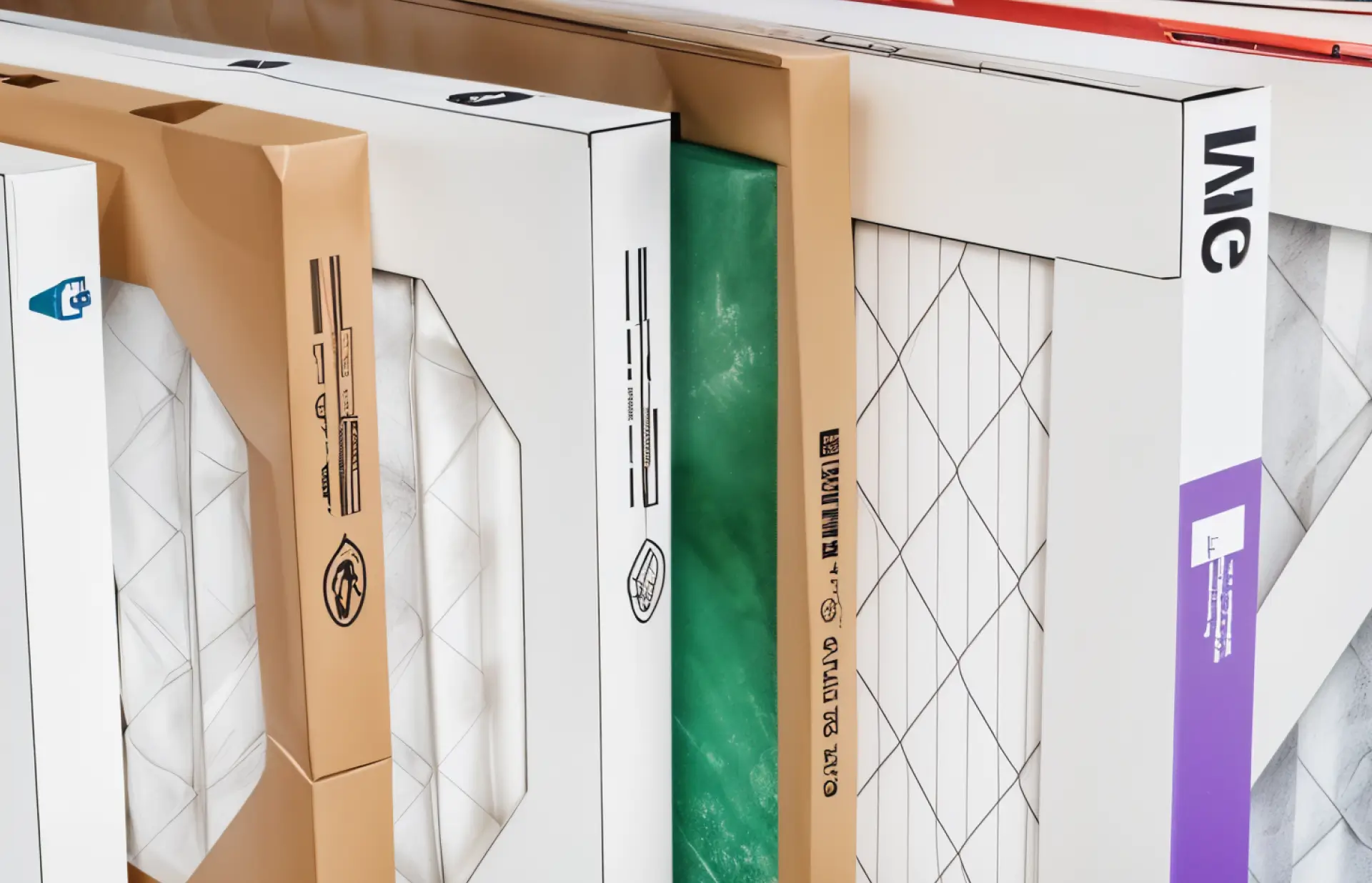
Different filter materials offer different performance levels:
- Fiberglass filters: Basic protection, minimal air-cleaning benefits
- Pleated air filters: Higher efficiency, longer lifespan, better dust and allergen control
- HEPA filters: Extremely effective but not suitable for standard HVAC systems
HEPA filters are intended for dedicated air purification systems or specially engineered HVAC setups. Using one incorrectly can reduce system performance. Running your HVAC without an appropriate filter – or bypassing it entirely — can have serious consequences. Learn more in our post on can you run an HVAC unit without a filter.
Can the Wrong HVAC Filter Damage Your System?
Yes. A filter that restricts airflow or is not changed regularly can lead to:
- Reduced heating and cooling efficiency
- Increased energy consumption
- Frozen coils or overheating components
- Shortened system lifespan
- Proper filter selection protects both your air quality and your HVAC investment.
How Often Should You Change an HVAC Air Filter?
Filter replacement depends on usage and household conditions:
- Fiberglass filters: Every 30 days
- Pleated filters: Every 60–90 days
- Homes with pets or allergies: More frequent changes recommended
Ignoring filter maintenance is one of the most common causes of preventable HVAC problems. Check out our guide on best HVAC filters for allergies for recommendations.
Final Recommendation: Choosing the Right HVAC Filter
So, does it matter what HVAC filter you use? Absolutely. The right filter improves indoor air quality, supports efficient airflow, and helps extend the life of your HVAC system.
For most homeowners, a pleated HVAC filter with a MERV rating between 8 and 11, replaced on schedule, delivers the best results. If you’re unsure which filter your system can handle, consulting an HVAC professional is the smartest move.