






Workplace temperature control is not just a matter of comfort, especially in a high-heat state like Nevada. For employers, facility managers, and HVAC professionals, maintaining safe indoor conditions is directly tied to regulatory compliance and worker safety.
A common misconception is that there is a fixed legal temperature range for workplaces. In reality, the Occupational Safety and Health Administration does not define a specific minimum or maximum temperature. Instead, it requires employers to maintain a work environment that does not expose employees to recognized health and safety hazards.
This distinction is critical for understanding how temperature is regulated and how HVAC systems contribute to compliance.
Does OSHA Set a Specific Temperature Requirement?
There is no mandated temperature range under OSHA regulations.
The widely referenced 68°F to 76°F range is based on general comfort guidelines, not enforceable standards. Relying on this range as a compliance benchmark is incorrect and can lead to poor decision-making.
OSHA evaluates workplace conditions based on risk. If temperature levels, combined with workload and environmental factors, create a hazard such as heat stress or cold stress, the employer may be held responsible.
OSHA’s General Duty Clause and Temperature Control
OSHA enforces temperature-related safety through the General Duty Clause. This requires employers to provide a workplace free from recognized hazards that could cause serious harm.
In the context of temperature, this includes:
- Preventing heat-related illnesses such as heat exhaustion and heat stroke
- Managing cold-related risks such as hypothermia
- Ensuring environmental conditions do not impair worker safety or performance
This approach places responsibility on employers to actively manage conditions rather than rely on fixed thresholds.
Nevada Climate and Its Impact on Workplace Conditions
Nevada presents unique challenges due to prolonged periods of high outdoor temperatures. These conditions increase the thermal load on buildings and HVAC systems, particularly during peak summer months.
Work environments with elevated risk include:
- Warehouses with limited climate control
- Industrial facilities with heat-generating equipment
- Commercial kitchens and mechanical rooms
- Outdoor job sites and construction zones
In these settings, inadequate cooling or ventilation can quickly lead to unsafe conditions.
When Temperature Becomes a Compliance Issue
Temperature becomes a regulatory concern when it contributes to a hazardous work environment. Situations that may trigger OSHA action include:
Lack of adequate ventilation or airflow
Failure to provide access to drinking water in hot conditions
Absence of rest breaks during high heat exposure
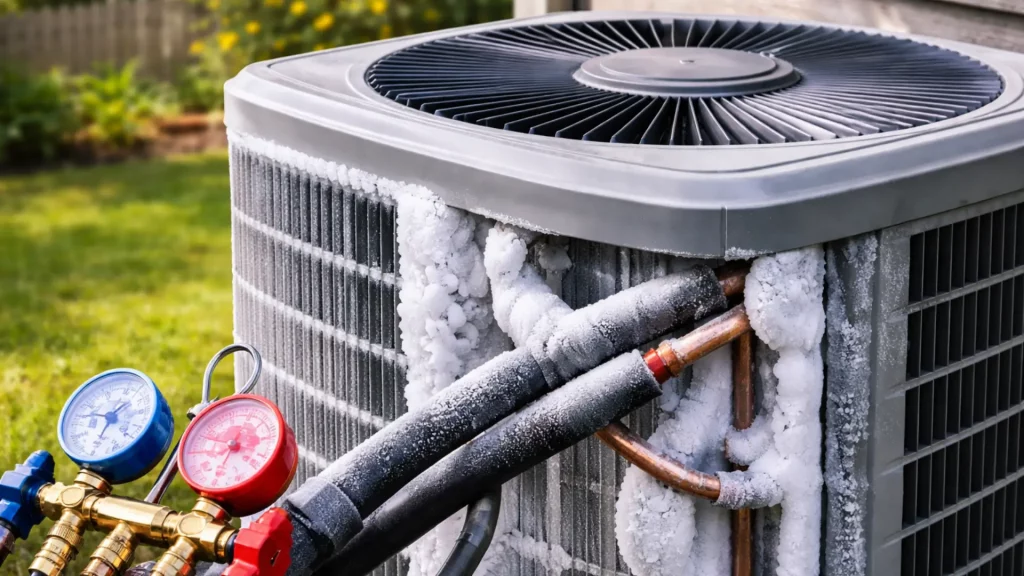
Poorly maintained HVAC systems unable to control indoor conditions
No training or protocols for recognizing heat-related illness
Indicators of Heat Stress
Clear identification of symptoms is essential for early intervention:
- Excessive sweating
- Fatigue or weakness
- Dizziness or fainting
- Nausea
- Confusion or disorientation
Ignoring these signs increases both safety risk and liability.
Role of HVAC Systems in Compliance
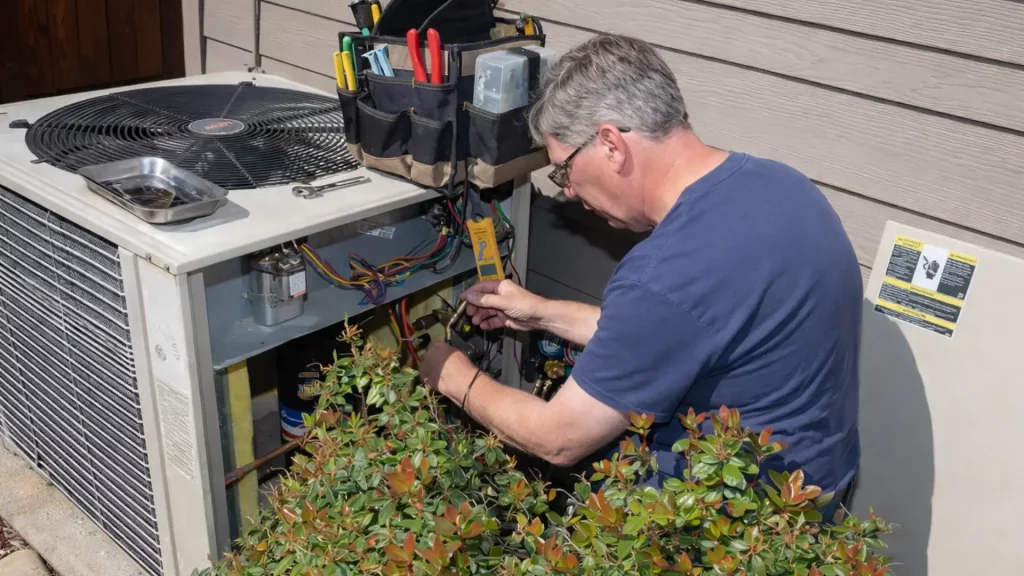
HVAC systems play a central role in maintaining safe workplace conditions. Their function extends beyond temperature control to include airflow management, ventilation, and humidity regulation. Key responsibilities include:
- Maintaining consistent air distribution across occupied areas
- Supporting ventilation to reduce heat buildup
- Managing humidity levels that contribute to thermal discomfort
- Ensuring system performance during peak load conditions
System inefficiencies, poor design, or lack of maintenance can directly contribute to unsafe environments.
Practical Temperature Control Measures
Effective temperature management requires a combination of engineering controls and operational practices. Recommended measures include:
- Improving air circulation through fans or duct adjustments
- Installing spot cooling solutions in high-heat zones
- Enhancing ventilation in enclosed or equipment-heavy areas
- Scheduling physically demanding work outside peak heat periods
- These strategies are often more effective than relying solely on thermostat adjustments.
Cold Stress Considerations
While heat is the primary concern in Nevada, cold environments still exist in certain applications such as refrigerated facilities or seasonal conditions.
Employers must ensure:
- Adequate heating where required
- Protection against prolonged exposure to low temperatures
- Proper work-rest cycles in cold environments
- Temperature management must address both extremes.
Employee Rights and Employer Responsibilities
Employees have the right to a safe working environment. When temperature conditions pose a risk, they may report concerns internally or file a complaint with OSHA.
Employers are responsible for:
- Identifying and mitigating temperature-related hazards
- Implementing safety protocols
- Maintaining HVAC systems in proper working condition
- Providing necessary resources such as water, rest areas, and training
Failure to act can result in regulatory penalties and operational disruption.
Best Practices for Maintaining Compliance
From a professional HVAC and facility management perspective, the focus should be on consistent environmental control rather than fixed temperature targets.
Key practices include:
- Routine inspection and maintenance of HVAC systems
- Monitoring indoor temperature and humidity levels
- Addressing airflow imbalances and hot spots
- Planning system capacity based on actual building load
- Training staff to recognize early warning signs of heat stress
- Proactive management reduces both risk and long-term costs.
Conclusion
There is no single temperature number that defines compliance under OSHA. The standard is based on whether workplace conditions create a risk to employee health and safety.
In Nevada, where high temperatures are a constant factor, effective HVAC system performance becomes a critical component of workplace safety. Employers must focus on managing environmental conditions, not just meeting comfort expectations.
A well-designed and properly maintained HVAC system is not only an operational asset but also a key factor in regulatory compliance and workforce protection.