





The air inside your home may not be as clean as you think. Modern houses are designed to be energy-efficient and tightly sealed, which means pollutants can build up indoors over time. Dust, pet dander, mold spores, cooking fumes, smoke, and chemical vapors from everyday products can all affect the air you breathe.
Poor indoor air quality has been linked to allergies, asthma, fatigue, headaches, and other respiratory problems. Fortunately, improving the air in your home doesn’t require major renovations, consistent habits and a few smart upgrades can make a noticeable difference.
1. Identify and Reduce Pollution Sources
The most effective way to improve indoor air quality is to limit the sources of pollution inside your home. Common contributors include tobacco smoke, candles, incense, gas stoves, harsh cleaning products, and even new furniture or paint that releases chemical vapors known as VOCs.
Avoid smoking indoors entirely, and use smoke-producing items sparingly. When cooking especially with gas turn on the exhaust fan or open a window to remove fumes and particles. If you’re renovating or bringing new furniture into your home, ventilate the space well for several days to allow chemical odors to dissipate.
2. Increase Ventilation and Airflow
Fresh outdoor air helps dilute indoor pollutants. Opening windows and doors periodically allows stale air to escape and clean air to enter. This is particularly important during activities that generate pollutants, such as cooking, cleaning, or painting.
Bathrooms and kitchens should always have functioning exhaust fans to remove moisture and airborne contaminants. If you live in an area with poor outdoor air quality, ventilate during times when pollution levels are lower, such as early morning.
Also Read: A Complete Homeowner’s Guide to Airflow & Comfort
3. Control Moisture and Prevent Mold
Excess humidity creates the perfect environment for mold, mildew, and dust mites all of which can trigger allergies and respiratory issues. Keeping indoor humidity between 30% and 50% helps prevent these problems.
Fix plumbing leaks promptly, dry wet areas quickly, and use exhaust fans after showers. In damp spaces like basements, a dehumidifier can be extremely effective. Proper drainage outside your home also prevents moisture from seeping indoors.
Also Read: Can Air Purifiers Remove Smoke, Odors, and VOCs From Your Home?
4. Clean Regularly Using Effective Methods
Dust and allergens accumulate on surfaces and in fabrics, then become airborne when disturbed. Regular cleaning is essential, but how you clean matters.
Vacuum floors and carpets weekly using a machine equipped with a HEPA filter, which captures fine particles instead of redistributing them. Mop hard floors rather than dry sweeping, as sweeping can stir dust back into the air. Wipe surfaces with a damp cloth and wash bedding weekly in hot water to remove dust mites.
Curtains, rugs, and upholstered furniture can trap significant amounts of allergens, so they should be cleaned periodically as well.
5. Maintain Your HVAC System
Heating and cooling systems circulate air throughout your home, so dirty filters can spread dust and contaminants everywhere. Replace HVAC filters every one to three months, depending on usage and filter type.
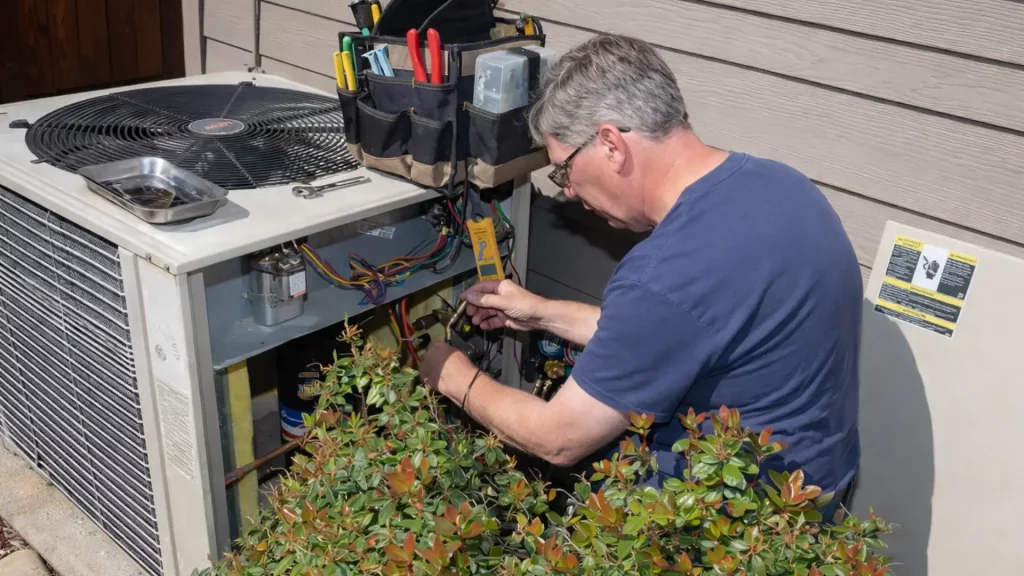
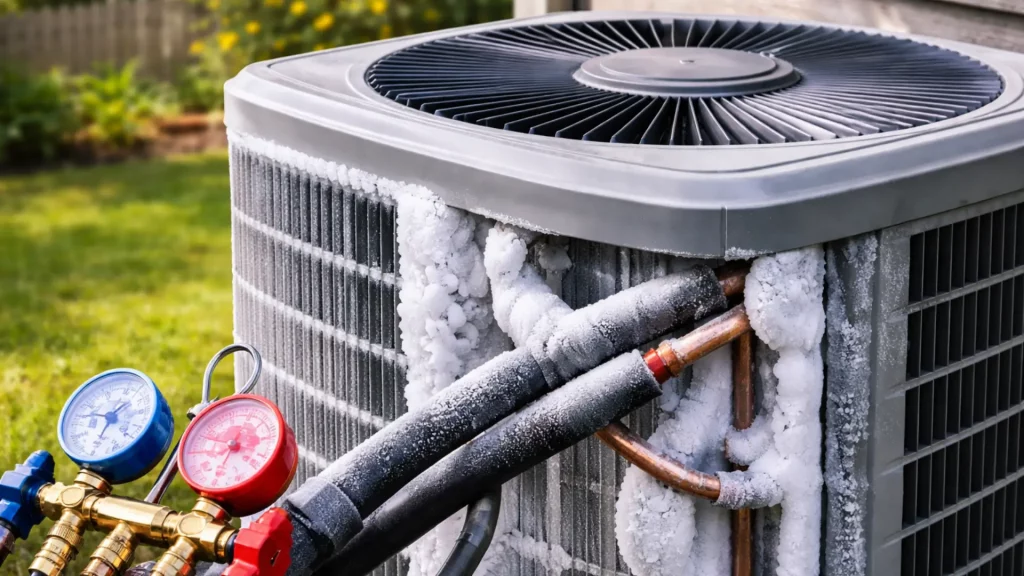
Higher-efficiency filters can capture smaller particles, but they must be compatible with your system. Professional servicing of air conditioning and heating units at least once a year ensures they operate efficiently and don’t contribute to poor air quality.
6. Use Air Purifiers for Additional Protection
Air purifiers can remove fine particles that regular cleaning cannot eliminate. Models with true HEPA filters are particularly effective at capturing pollen, pet dander, smoke, and microscopic dust.
Place air purifiers in commonly used rooms such as bedrooms and living areas, and run them continuously for best results. They are especially beneficial for people with allergies, asthma, or sensitivity to pollution.
7. Reduce Exposure to Household Chemicals
Many everyday products release airborne chemicals that can irritate the lungs and eyes. Strong fragrances, aerosol sprays, disinfectants, and solvents are common culprits.
Whenever possible, choose fragrance-free or low-toxicity products. Store paints, fuels, and harsh chemicals outside living areas, and use strong cleaners only when necessary and with proper ventilation.
8. Manage Pet Dander and Allergens
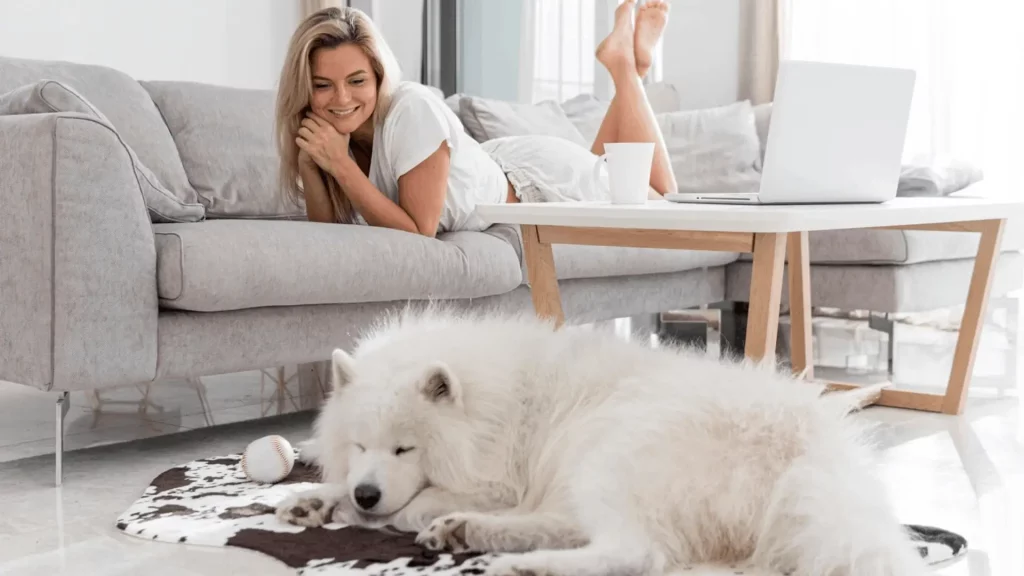
Pets bring joy to a home but also introduce dander, hair, and outdoor allergens. Regular grooming helps reduce shedding, while washing pet bedding frequently prevents buildup of allergens.
Keeping pets out of bedrooms and using HEPA filtration can significantly reduce exposure for sensitive individuals.
Also Read: Best Air Filters to Have in Your Home if You Have Allergies
Final Thoughts
Improving indoor air quality is not a one-time task but an ongoing process. By reducing pollution sources, increasing ventilation, controlling moisture, maintaining your HVAC system, and cleaning effectively, you can create a healthier and more comfortable living environment.
Small, consistent changes can lead to noticeable improvements in breathing comfort, sleep quality, and overall well-being for everyone in your household.
Frequently Asked Questions About Indoor Air Quality
How can I quickly improve the air quality in my home?
You can see fast improvements by increasing ventilation, running a HEPA air purifier, and eliminating immediate pollution sources like smoke, strong chemicals, or burning candles. Cleaning dust-collecting surfaces and replacing HVAC filters also helps within days.
How often should I change my HVAC air filter?
Most homes should replace filters every 1 to 3 months. Homes with pets, allergies, or heavy system use may need more frequent changes. A clogged filter reduces airflow and can spread contaminants.
What is the ideal humidity level for a healthy home?
Indoor humidity should be kept between 30% and 50%. Levels above this range encourage mold growth and dust mites, while very low humidity can cause dry skin, throat irritation, and respiratory discomfort.
When should I consider professional air quality testing?
Professional testing may be useful if you notice persistent symptoms such as chronic allergies, headaches, unexplained respiratory issues, visible mold, or strong odors that do not improve with cleaning and ventilation.