




Introduction: Smart Ways to Cut Air Conditioning Repair Costs
Air conditioning problems often seem to appear at the worst possible time, usually during the hottest days of the year when your system is working the hardest. What begins as a minor issue, such as reduced airflow or an unusual sound, can quickly turn into a costly repair if it is ignored.
The good news is that many expensive air conditioning repairs are preventable. With a few practical maintenance habits and a better understanding of how your system works, you can reduce wear and tear, improve efficiency, and avoid paying for major breakdowns.
This guide shares proven air conditioning repair service tricks that help homeowners save money without sacrificing comfort. Whether your system is new or has been in service for many years, these tips can help you lower repair costs and extend the life of your equipment.
Why Air Conditioner Repairs Can Get Expensive Fast
Air conditioners are made up of many interconnected components. When one part struggles, the entire system works harder to maintain the desired temperature.
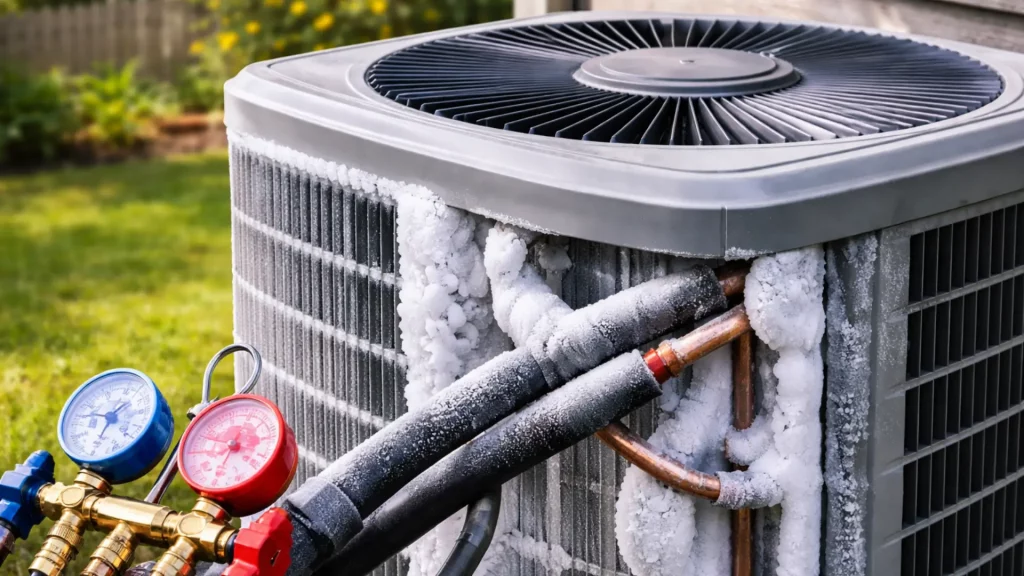
For example, a clogged air filter can restrict airflow, causing the evaporator coil to freeze. That can lead to compressor strain, and compressor repairs are among the most expensive services a homeowner may face.
Repairs also become more expensive when:
- Small issues are ignored for too long
- Emergency service is required after business hours
- Maintenance has been neglected
- Parts are damaged due to excessive system strain
- Homeowners continue operating the system despite warning signs
Addressing problems early is one of the most effective ways to keep repair bills under control.
Trick 1: Replace Your Air Filter Before It Causes Bigger Problems
The air filter is one of the most important and affordable components to maintain.
A dirty filter reduces airflow, forcing the blower motor and compressor to work harder. This increases energy use and raises the likelihood of frozen coils and overheating.
Most homeowners should check the filter once a month and replace it every one to three months, depending on:
- Filter type
- Number of occupants
- Presence of pets
- Indoor air quality conditions
A clean filter supports better airflow, improved indoor comfort, and lower repair costs. Checkout another blog, Do Better Air Filters Restrict Airflow?
Trick 2: Keep the Outdoor Condenser Unit Clean and Clear
The outdoor condenser releases heat from your home. When it is blocked by dirt, leaves, grass, or other debris, the system cannot cool efficiently.
Maintain at least two feet of open space around the unit. Periodically remove debris and gently rinse the coil with a garden hose after turning off power to the system.
Keeping the condenser clean helps:
- Improve cooling performance
- Reduce compressor strain
- Lower energy consumption
- Prevent overheating
This simple task can prevent one of the most expensive types of AC repairs.
Trick 3: Check Your Thermostat Before Calling for Repairs
Many service calls are triggered by thermostat issues rather than actual equipment failures.
Before scheduling a repair:
- Confirm the thermostat is set to cooling mode
- Lower the temperature setting below room temperature
- Replace batteries if applicable
- Verify the display is functioning
- Check circuit breakers if the thermostat is blank
These basic steps can restore cooling and save the cost of an unnecessary diagnostic visit.
Trick 4: Fix Weak Airflow and Strange Noises Early
Your air conditioner often provides early warning signs before a major breakdown occurs.
Pay attention to symptoms such as:
- Weak airflow from vents
- Grinding, rattling, or buzzing sounds
- Musty or burning odors
- Frequent cycling
- Uneven cooling
Prompt attention to these issues can prevent damage to motors, capacitors, and other critical components. Minor repairs are generally far less expensive than replacing major parts.
Trick 5: Schedule Preventive Maintenance to Avoid Major Repairs
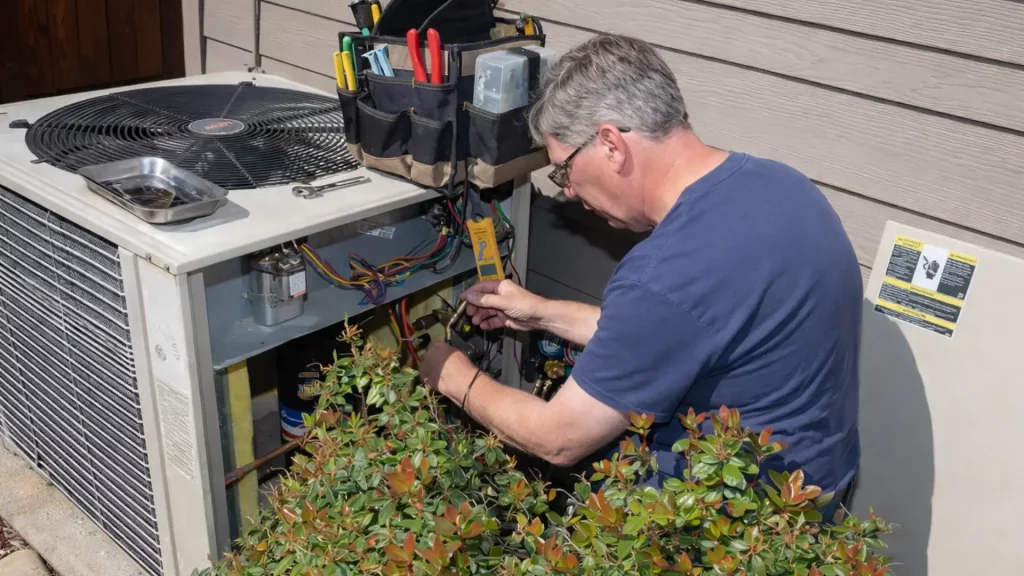
Professional maintenance is one of the most effective ways to reduce long-term repair costs.
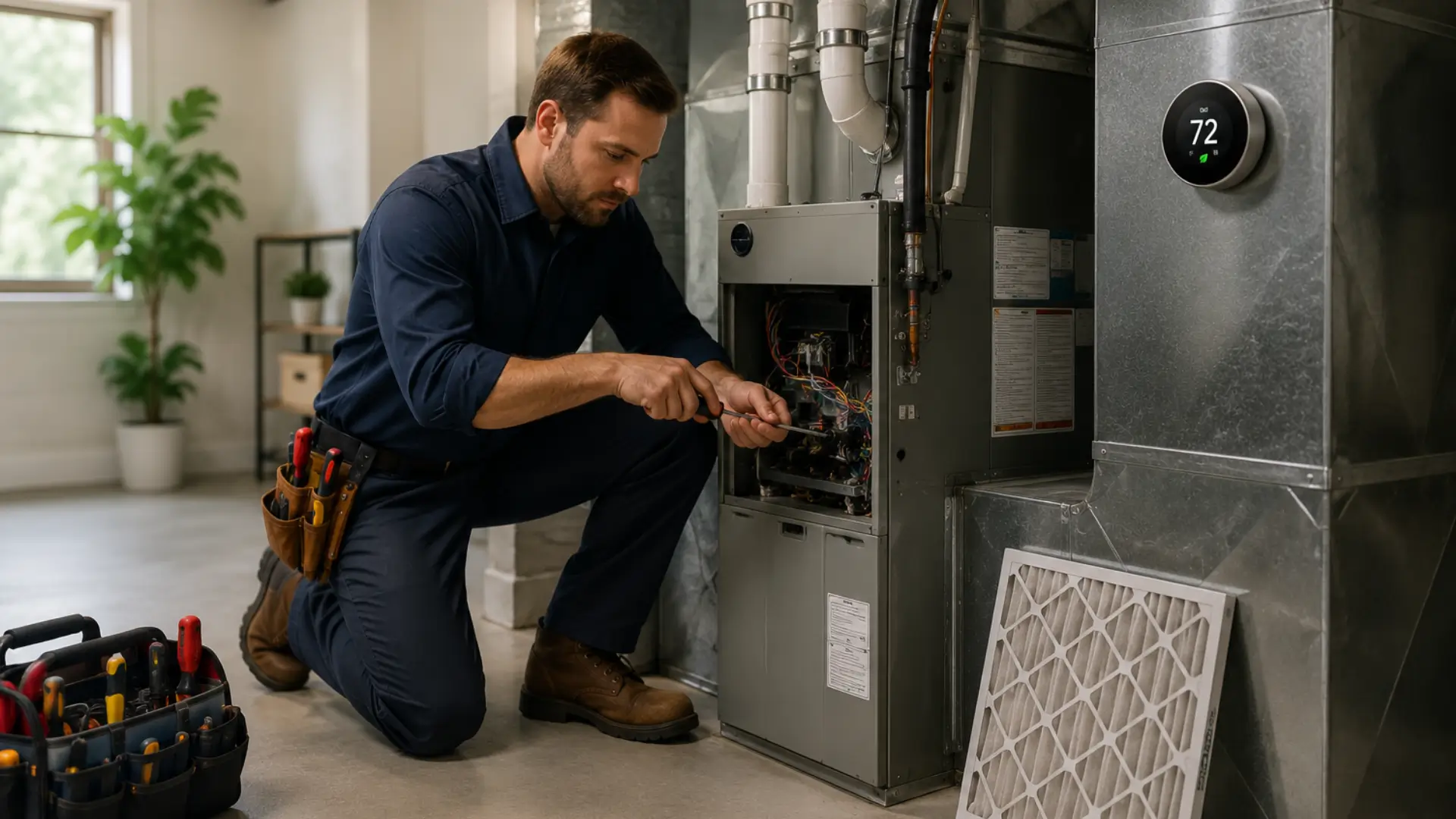
During a routine tune-up, an HVAC technician typically:
- Inspects electrical connections
- Tests refrigerant levels
- Cleans coils
- Checks capacitors and contactors
- Verifies airflow and thermostat performance
- Identifies worn components before they fail
Annual maintenance helps improve efficiency, reduce breakdowns, and extend the service life of your air conditioner.
Trick 6: Seal Air Leaks and Improve Home Insulation
Poor insulation and air leaks force your air conditioner to run longer to maintain indoor comfort.
Inspect and seal gaps around:
- Windows and doors
- Attic penetrations
- Duct connections
- Recessed lighting fixtures
Adding insulation and reducing air leakage lowers the cooling load, which decreases wear on your system and helps prevent avoidable repairs.
Trick 7: Avoid Emergency Repair Fees When Possible
Emergency HVAC service is valuable, but after-hours and weekend visits often include higher labor charges.
To reduce the likelihood of urgent breakdowns:
- Schedule maintenance before peak summer temperatures
- Address warning signs immediately
- Replace aging components proactively when recommended
- Keep filters and coils clean
Preventive action is usually less expensive than paying for emergency service during extreme heat.
Trick 8: Know When a Repair Makes More Sense Than Replacement
Not every problem requires a new air conditioner. Repairs are often the better choice when:
- The system is less than 10 years old
- Repair costs are moderate
- The equipment has been maintained regularly
- Overall performance remains strong
Replacement may be more cost-effective if the system is older, inefficient, and experiencing repeated failures. A trusted HVAC professional can help you compare long-term costs and benefits.
Trick 9: Choose an Honest and Experienced HVAC Repair Company
The company you hire has a significant impact on both repair quality and total cost.
Look for a provider that offers:
- Licensed and insured technicians
- Clear explanations and written estimates
- Strong customer reviews
- Experience with your system type
- Preventive maintenance plans
Working with a reputable contractor reduces the risk of unnecessary repairs and helps ensure the issue is fixed correctly the first time.
Common Homeowner Mistakes That Lead to Higher AC Repair Bills
Many costly repairs result from avoidable habits.
Common mistakes include:
- Ignoring unusual noises or odors
- Delaying maintenance
- Skipping filter replacements
- Blocking supply and return vents
- Running the system with obvious performance issues
Correcting these habits can significantly reduce both repair frequency and operating costs.
Signs Your Air Conditioner Needs Professional Attention
While some maintenance tasks can be handled by homeowners, certain issues require professional service. Call an HVAC technician if you notice:
- Warm air from vents
- Ice on refrigerant lines or coils
- Water leaking around the indoor unit
- Short cycling
- Unexplained increases in energy bills
- Persistent humidity indoors
Early diagnosis can prevent more extensive and expensive repairs.
Frequently Asked Questions About Saving Money on AC Repairs
How often should I replace my AC filter?
Most filters should be replaced every one to three months. Homes with pets or higher dust levels may require more frequent changes.
Is annual maintenance worth the cost?
Yes. Routine maintenance helps identify developing issues, improves efficiency, and reduces the chance of major breakdowns.
Can I clean the outdoor condenser myself?
Yes. After turning off power, you can remove debris and rinse the exterior coil gently with a garden hose.
When should I replace my air conditioner instead of repairing it?
If the system is older, requires frequent repairs, or has declining efficiency, replacement may provide better long-term value.
Final Thoughts: Small Maintenance Steps That Save Big Money
Saving money on air conditioning repairs does not require advanced technical knowledge. Most homeowners can reduce repair costs by replacing filters regularly, keeping the outdoor unit clean, responding quickly to warning signs, and scheduling professional maintenance each year.
These simple habits help your system run more efficiently, last longer, and avoid the kind of breakdowns that lead to expensive repairs.
If your air conditioner is showing signs of trouble, scheduling service early can protect your comfort and prevent a minor issue from turning into a major expense.