





Indoor air quality is not just about comfort anymore – it is about health. Many homeowners assume outdoor air is more polluted, but studies consistently show indoor air can be two to five times more contaminated. Everyday activities like cooking, cleaning, burning candles, or using fragranced products release smoke, odors, and chemicals into your home.
Then there are bigger events like wildfire seasons, where smoke can travel miles and settle indoors. At that point, opening a window is not a solution.
That is why many people start searching for an air purifier for smoke and odors. But do they really work, especially against invisible pollutants like VOCs? The honest answer is yes – but only when you understand how they work and what to expect.
How Air Purifiers Actually Clean the Air
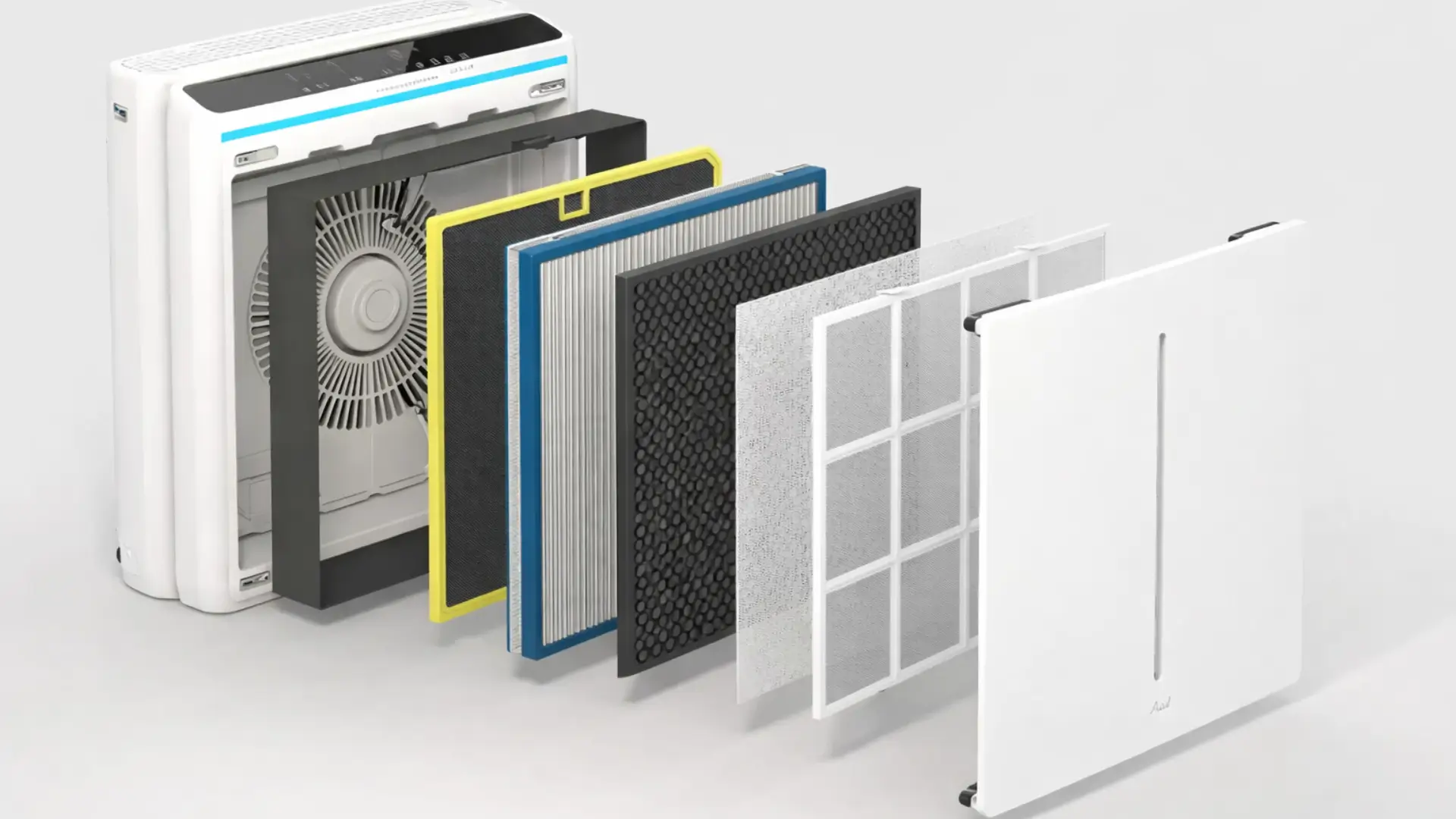
An air purifier works by pulling air through filters that trap or absorb pollutants, then circulating cleaner air back into the room. The process sounds simple, but the effectiveness depends on the type and quality of filtration.
Here is the important distinction:
Smoke, odors, and VOCs are not the same kind of pollutants.
- Smoke contains tiny solid particles and gases
- Odors are mostly gas molecules
- VOCs are chemical gases released from products and materials
Because they behave differently, no single filter solves everything. A purifier that handles dust well may do almost nothing for smells. This mismatch is one of the biggest reasons homeowners feel disappointed with their purchase.
What Removes Smoke From Indoor Air
Smoke from cigarettes or wildfires contains extremely fine particles that can irritate lungs and worsen allergies or asthma. Many of these particles fall within the size range that True HEPA filters are designed to capture.
A True HEPA filter can trap 99.97% of particles as small as 0.3 microns. Wildfire smoke particles commonly fall within this range, which is why HEPA-based purifiers are widely recommended during smoke events.
If your concern is wildfire smoke indoor air, a properly sized HEPA purifier can noticeably reduce haze and airborne particles in a closed room. People often report less throat irritation and easier breathing when using one.
But here is the reality check: HEPA filters capture particles, not smells. You may see cleaner air, but still notice a smoky odor.
Learn more about how HVAC filtration choices impact airflow and air quality in this detailed guide on how filters affect system performance like airflow and efficiency. Do Better Air Filters Restrict Airflow? Complete Guide Explained
What Actually Removes Odors
Odors are caused by gas molecules, and gas molecules pass straight through HEPA filters. To deal with smells, you need activated carbon.
Activated carbon works through a process called adsorption. Gas molecules stick to the carbon’s surface instead of staying in the air. This is what helps reduce cooking smells, pet odors, and smoke-related odors.
However, not all carbon filters are equal. Thin carbon sheets found in cheaper purifiers have limited capacity. Heavier, thicker carbon filters or granular carbon beds perform far better and last longer.
Even then, odor removal is gradual. An air purifier reduces smells over time, it does not erase a strong odor instantly. Dirty or ineffective filters don’t just reduce airflow, they can lead to poor indoor air quality and even odors. Learn common problems that are caused by neglected filters here: Bad Air Filter Problems.
VOCs in the Home and Why They Matter
VOCs, or volatile organic compounds, are gases released from many everyday household items. You may not see them, but you can experience their effects.
Common sources include:
- Paints and varnishes
- Cleaning and disinfecting products
- Air fresheners and scented candles
- New furniture and carpets
- Cooking fumes and tobacco smoke
Short term exposure can cause headaches, dizziness, or eye and throat irritation. Long term exposure to high concentrations may carry more serious risks, especially for sensitive individuals.
A VOC removal air purifier with a substantial activated carbon filter can help reduce some of these gases. But here is the honest truth many brands do not emphasize: if VOCs are constantly being produced, a purifier alone cannot keep up. Ventilation and choosing low-VOC products matter just as much.
Choosing the Right Air Purifier for Smoke and Odors
Many people buy based on price or design and then assume air purifiers do not work. In reality, the problem is often poor matching between the purifier and the space.
Room size is critical. If a unit is too small for the area, it will struggle to clean the air effectively. Always check the recommended coverage and the CADR rating for smoke. A higher smoke CADR means faster particle removal.
Filter quality is equally important. For smoke and odors, you want both a True HEPA filter and a thick activated carbon filter. One without the other leaves a gap in protection.
Maintenance is another overlooked factor. Filters must be replaced on schedule. A saturated carbon filter stops absorbing odors, and a clogged HEPA filter reduces airflow. Long-term performance depends on proper upkeep.
Finally, be cautious with devices that rely mainly on ionizers or ozone. Ozone can irritate the lungs and is not considered a safe primary air cleaning method for homes.
Choosing the right filter makes a big difference for indoor air quality and system health, just like choosing the right HVAC filter for your system. Does It Matter What HVAC Filter You Use? Before deciding on a purifier or enhanced filtration level, consider key factors like particle size, filtration efficiency, and airflow balance. These are explained in detail here: What Factors Should Be Considered When Choosing an Air Filter.
The Honest Takeaway
Air purifiers are not miracle machines, but they are far from useless. A well-chosen air purifier for smoke and odors can significantly reduce airborne smoke particles, lower odor levels, and help with some VOCs. That can mean fresher air and fewer irritations at home.
They work best as part of a bigger strategy that includes ventilation, source control, and regular filter replacement. Think of an air purifier as a strong support tool, not the only solution.
Call to Action
If smoke, lingering smells, or chemical odors are affecting your home, it may be time to explore your options. The right air purifier, sized correctly and equipped with proper filters, can make a noticeable difference in your daily comfort.
Take a close look at your space, your concerns, and your maintenance commitment. Cleaner indoor air is not a luxury – it is part of a healthier home.


