



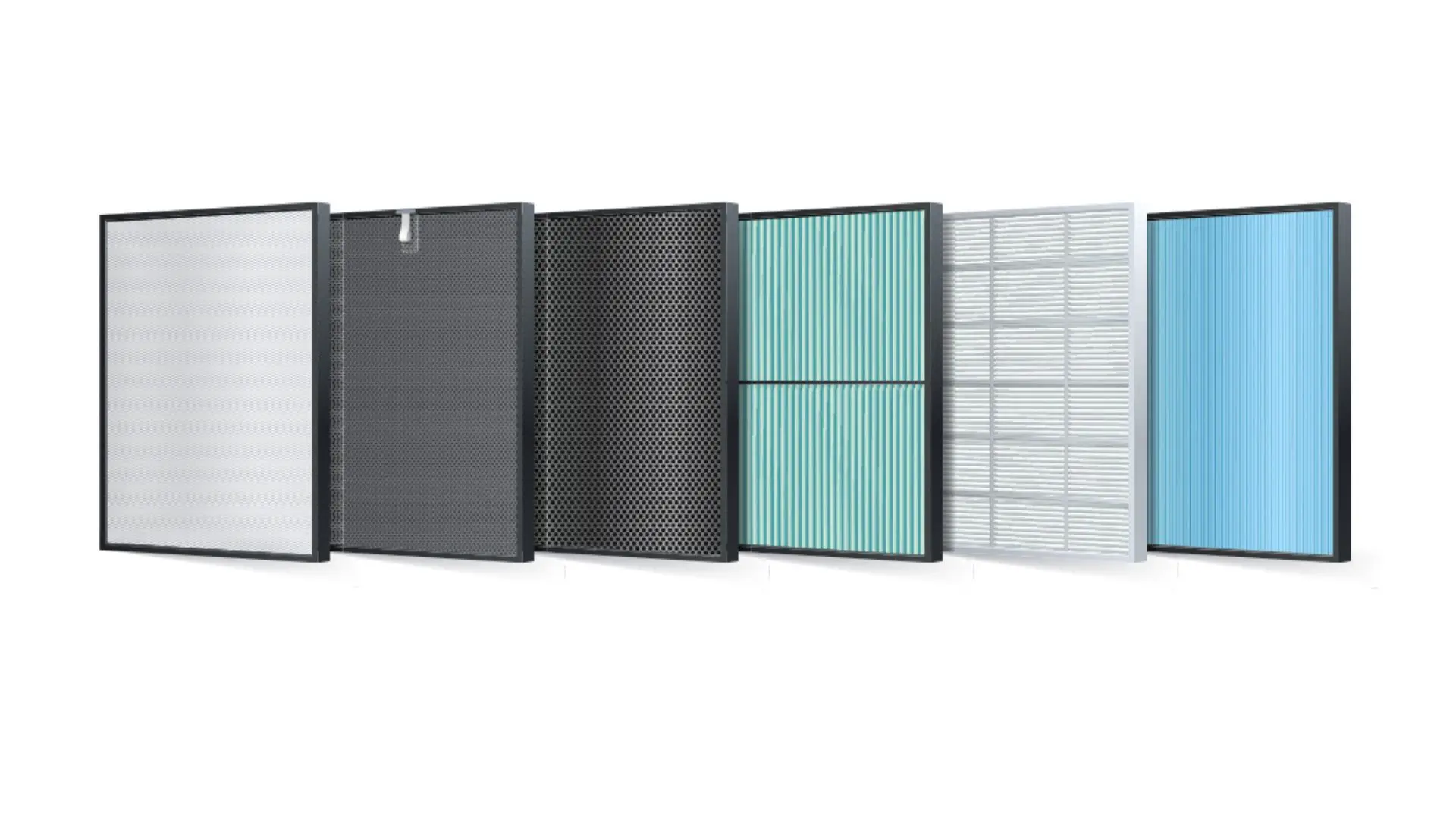


Heating and cooling systems use an air filter to clean the air before it is cooled or heated and circulated around the home. In most HVAC systems, this filter serves two main purposes. First, it protects the system itself. Dust and debris can cause wear and tear on components and can build up on parts like the blower fan or evaporator coil, which lowers efficiency. Second, it helps remove dust, pollen, pet dander, and other pollutants from the air, improving indoor air quality and helping reduce issues for people with asthma or allergies. Some filters focus mainly on protecting the equipment, while others are built to both protect the system and enhance air quality.
Different Types of Air Filters
Air filters come in several varieties and are commonly categorized by their type and MERV rating. MERV stands for Minimum Efficiency Reporting Value and measures how effectively a filter captures airborne particles. Ratings range from 1 to 20, with higher numbers indicating stronger filtration.
Here are the most common types:
Disposable filters
These budget friendly filters are usually made from flat fiberglass or polyester mesh. They mainly protect the HVAC system by catching larger particles. Most have a MERV rating between 1 and 4.
Reusable filters
Also made from fiberglass or polyester, these can be cleaned and used again. Their MERV ratings typically fall between 1 and 4. They are chosen more for cost savings and system protection than for air quality improvement.
Pleated filters
Pleated filters use folded sheets of fiberglass or synthetic material to increase surface area, allowing them to trap more particles. They often carry MERV ratings from 5 to 13 and can capture around 45% of airborne contaminants. High efficiency versions can reach MERV 16 and remove up to 85% of particles. However, very high rated pleated filters can restrict airflow in some systems. They are widely used because they balance cost, compatibility, and better air cleaning.
Electrostatic filters
These filters rely on static electricity to attract and hold particles. They generally outperform basic disposable and entry level pleated filters and can reach MERV ratings around 15. Not every HVAC system supports them, so compatibility should be checked.
HEPA filters
High Efficiency Particulate Air filters sit at the top, with MERV ratings from 17 to 20. They can remove up to 99.7% of contaminants. The downside is that they require strong airflow pressure, so most residential HVAC systems cannot handle them without modification. They also cost more than standard options.
Is There a Difference Between Air Filters and Furnace Filters?
In most homes with central heating and cooling, the same filter is used for both systems because they share a single air handler. This filter is usually located near the furnace or inside the return air duct.
Many homes also have filters at individual return vents. Keeping these clean and effective matters, since clogged or low quality filters can hurt airflow and air quality.
Regular maintenance from a qualified HVAC technician helps make sure your filters support system efficiency instead of hurting performance or indoor air quality.
Which Air Filter Should You Choose for Your HVAC System?
If your goal is better indoor air quality, a filter with a MERV rating around 8 to 10 is a practical starting point for most homes.
Higher efficiency options like advanced pleated, electrostatic, or HEPA filters can trap more contaminants, but they are not always a smart upgrade. Some are too restrictive, too bulky, or simply not compatible with certain HVAC systems.
The safest move is to check your system manual or ask an HVAC professional. A filter that is too “powerful” for your system can reduce airflow, strain the equipment, and actually lower efficiency. The best filter is the one your system can handle while still improving air quality.
Our experts at The A/C Guys can help you choose the right air filter for your system and indoor air quality needs. To schedule an appointment, call 702-331-3333 today.
FAQs About HVAC Air Filters
1. How often should I change my HVAC air filter?
Most homes should replace filters every 1 to 3 months. Homes with pets, allergies, or high dust may need monthly changes. A clogged filter reduces airflow and efficiency.
2. What MERV rating is best for home use?
For most households, MERV 8 to 11 is ideal. It balances good air cleaning with proper airflow. Higher ratings can restrict airflow if your system is not designed for them.
3. Can a high MERV filter damage my HVAC system?
Yes, if your system is not built for it. Very high MERV filters can restrict airflow, forcing your system to work harder and potentially causing wear or higher energy bills.
4. Are expensive air filters worth it?
Sometimes. If you have allergies, pets, or air quality concerns, a better filter helps. But buying the highest rated filter without checking system compatibility is a mistake.
5. Do air filters help with allergies?
Yes. Filters with higher MERV ratings capture pollen, pet dander, and dust that trigger allergies. They help, but they are not a full solution for severe allergy issues.
6. Should I use reusable or disposable filters?
Disposable pleated filters usually perform better for air quality. Reusable filters save money but often capture fewer particles unless they are high quality and cleaned properly.


