



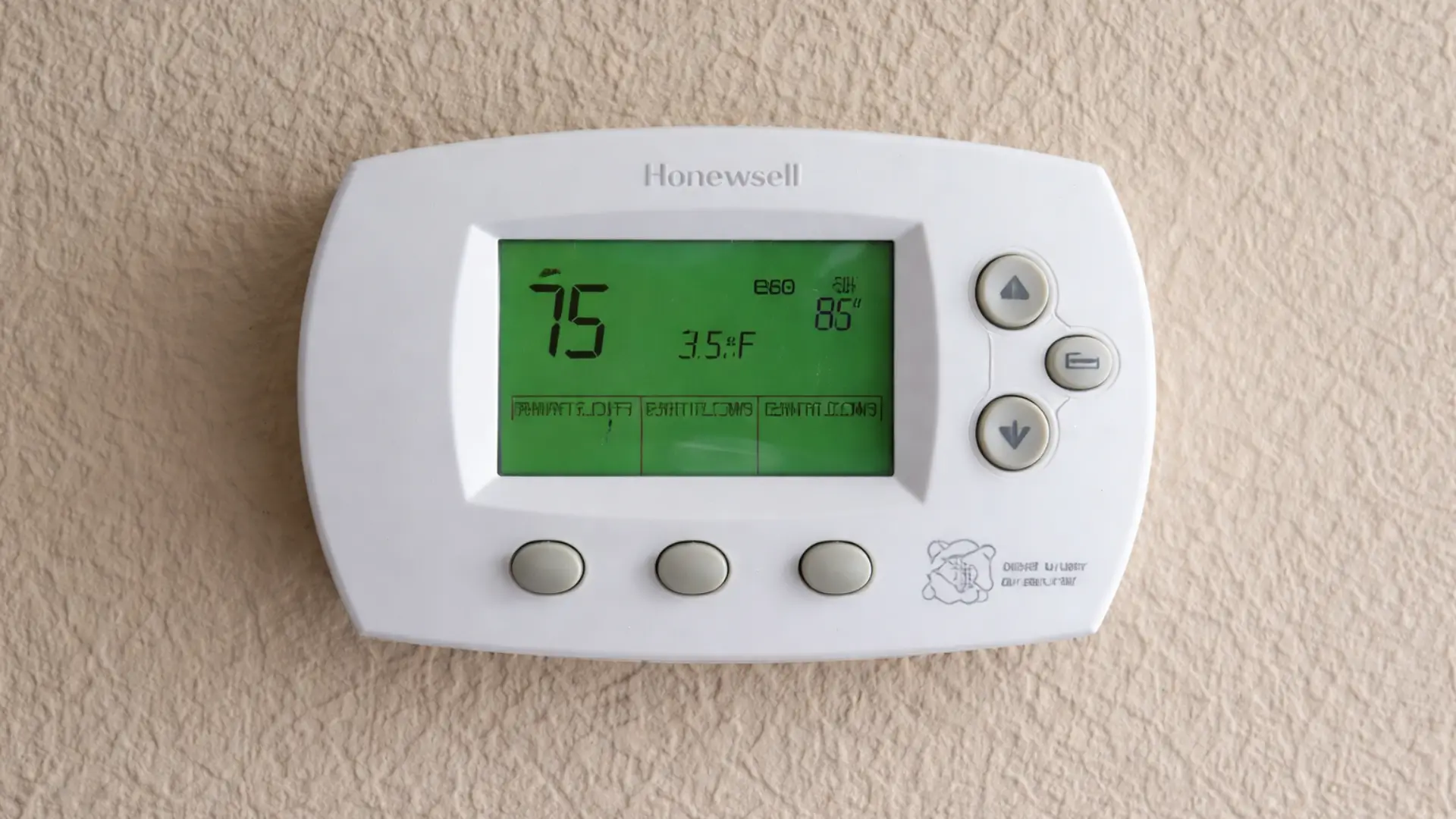


The ideal thermostat setting during summer is typically between 75°F and 78°F when you are at home. This range provides a comfortable indoor environment while keeping energy consumption under control. Maintaining a moderate setting helps your air conditioning system run efficiently, reducing strain on the unit and lowering electricity bills over time.
Choosing the right temperature is not just about comfort – it directly affects humidity levels, system performance, and long term operating costs. By adjusting your thermostat based on whether you are home or away, you can maintain reliable cooling without unnecessary energy waste.
Best AC Temperature When You Are at Home
Recommended Range – 75°F to 78°F
Most HVAC professionals recommend setting your thermostat to 78°F for maximum efficiency. If that feels slightly warm, lowering it to 75°F can improve comfort while still maintaining reasonable energy use.
Humidity plays a major role in how cool your home feels. Even at lower temperatures, high moisture levels can make indoor air feel sticky and uncomfortable. A properly functioning air conditioner should remove excess humidity as it cools. If your home still feels damp, your system may need maintenance or adjustment.
Ways to stay comfortable at this temperature:
- Use ceiling fans to circulate cool air
- Keep blinds or curtains closed during peak sunlight
- Avoid running heat producing appliances in the afternoon
- Make sure vents are open and unobstructed
Best Energy Saving Temperature When You Are Away
Recommended Range – 80°F to 85°F
When no one is home, raising the thermostat helps prevent energy waste. This strategy, known as a temperature setback, keeps indoor conditions manageable without forcing your AC to cool an empty house all day.
Programmable or smart thermostats make this simple. You can schedule automatic adjustments so your home begins cooling shortly before you return, ensuring comfort without high energy costs.
Benefits of increasing the temperature while away:
- Reduced electricity usage
- Less wear on the cooling system
- Lower monthly utility bills
- More efficient system operation
Factors That Affect Your Ideal AC Setting
While general recommendations work for most homes, several variables may require adjustments.
- Home Size and Layout: Larger homes or multi story properties may need slightly cooler settings to maintain consistent temperatures throughout the space.
- Insulation Quality: Well insulated homes retain cool air more effectively, allowing higher thermostat settings without sacrificing comfort.
- Number of Occupants: More people generate more body heat, which can raise indoor temperatures and require additional cooling.
- Personal Comfort Preferences: Comfort levels vary. Some households prefer cooler air, while others are comfortable at higher temperatures.
- Local Climate: Extremely hot regions place greater demand on cooling systems, which may require slightly lower settings during peak heat.
Also Read: When to Repair or Replace Your Air Conditioning System
Common Myths About Summer AC Settings
Misunderstandings about air conditioning can lead to higher bills and unnecessary system strain.
Myth: Setting the thermostat very low cools the house faster
Reality: Air conditioners cool at a constant rate. Lower settings only make the system run longer.
Myth: Turning the AC off completely saves the most energy
Reality: Allowing indoor temperatures to rise too high can require more energy to cool the home again later.
Myth: Small temperature changes drastically increase costs
Reality: Adjustments of one or two degrees usually have only a minor impact on monthly bills but can significantly improve comfort.
How to Improve Cooling Efficiency at Home
You can maintain comfort without lowering the thermostat excessively by keeping your system and home in good condition.
- Replace Air Filters Regularly: Dirty filters restrict airflow and reduce efficiency. Replace them every 1 to 3 months depending on usage.
- Seal Air Leaks: Gaps around doors and windows allow cool air to escape. Proper sealing helps maintain consistent indoor temperatures.
- Schedule Professional Maintenance: Routine servicing ensures your system runs efficiently, prevents breakdowns, and extends equipment life.
- Use Supplemental Cooling Methods:
- Ceiling or portable fans
- Window coverings to block heat
- Proper attic ventilation
- Shading around the home
Trust The A/C Guys for Expert Cooling Solutions
If your home struggles to stay cool or your energy bills are rising, professional guidance can make a big difference. The A/C Guys provide expert inspections, maintenance, and cooling solutions to help homeowners achieve optimal comfort and efficiency throughout the summer.
Whether you need a system tune up, thermostat advice, or a full performance check, their experienced technicians can ensure your air conditioner operates at its best when you need it most.
Frequently Asked Questions
1. What is the best AC temperature for summer when at home?
The ideal temperature is between 75°F and 78°F while you are at home. This range keeps your living space comfortable while maintaining energy efficiency and preventing excessive strain on your air conditioning system.
2. What temperature should I set my AC to when I am away?
When you are not at home, set your thermostat between 80°F and 85°F. This reduces energy use without allowing indoor temperatures to become excessively hot.
3. Is 72°F too low for summer AC settings?
72°F is comfortable for many people, but it can significantly increase energy consumption and cooling costs. If possible, aim for 75°F or higher and use fans to improve comfort.
4. Does lowering the thermostat cool the house faster?
No. Air conditioners cool at a constant rate. Setting the thermostat much lower only makes the system run longer, which increases energy use.
5. Should I turn off my AC completely when leaving home?
It is usually better to raise the temperature rather than turning the system off entirely. Cooling an extremely hot house later often requires more energy than maintaining a moderate temperature.
6. Why does my home feel humid even when the AC is running?
High humidity may indicate poor airflow, an oversized or undersized system, dirty filters, or maintenance issues. A properly functioning AC should remove excess moisture while cooling.


