



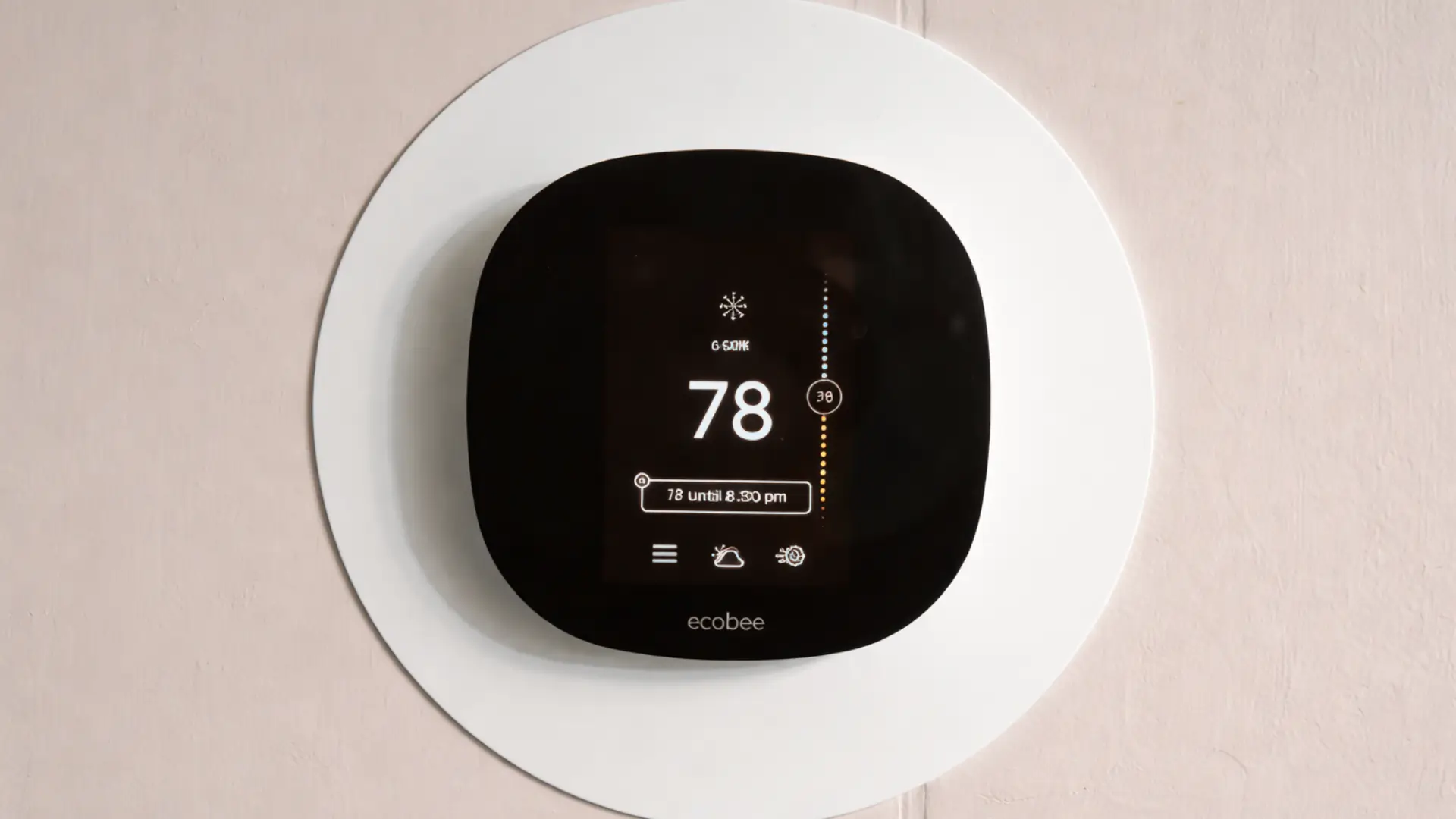


If you’re trying to balance comfort with lower energy costs, 78°F is widely recommended as the ideal summer thermostat setting.
As outdoor temperatures rise, maintaining a cool indoor space becomes essential. However, finding the right setting can take some adjustment. The U.S. Department of Energy (DOE) recommends setting your air conditioner to 78°F to achieve both comfort and energy efficiency.
That said, this recommendation isn’t universal. If 78°F feels too warm for your household, you can still stay comfortable by making small adjustments while keeping energy usage under control, especially when using systems like an American Standard air conditioner or heat pump.
Finding the Right Temperature for Your Home
Make gradual adjustments rather than drastic changes. If moving directly to 78°F feels uncomfortable, start by increasing your current setting by one or two degrees.
- For instance, if your thermostat is usually set at 73°F, try adjusting it to 74°F or 75°F first.
- Each degree you raise above 72°F can reduce your cooling costs by up to 3%.
Lower energy costs matter, but so does comfort. If you’re still comfortable after a small increase, continue adjusting gradually until you begin to notice a difference. From there, combine this approach with other simple methods to keep your home cooler.
Ideal Thermostat Settings When You’re Away
A programmable or smart thermostat can help reduce energy use without sacrificing comfort.
When leaving for work or school, raise the temperature and schedule it to return to a comfortable level before you get back. Increasing the setting by 7 to 10 degrees during the day can lower your monthly cooling costs by as much as 10%.
If you’re going away for several days, such as on vacation, set your thermostat to around 85°F for better efficiency. Avoid exceeding 90°F, as extremely high indoor temperatures can impact appliances like refrigerators and allow humidity levels to rise. Keeping your system running at a moderate level helps prevent moisture buildup.
Smart Thermostat Scheduling for Better Efficiency
Here’s how different schedules can be structured based on daily routines:
For those working 8–5 outside the home
- 85° from morning until late afternoon
- 78° in the evening
- 78° or lower overnight for better sleep
For remote workers or those at home during the day
- 78° throughout most of the day
- 85° during extended periods away
- 78° or lower overnight
For night shift schedules
- 78° during daytime hours
- 85° overnight while away
Why Humidity Affects Indoor Comfort
Humidity plays a major role in how your home feels. High moisture levels can make indoor air feel warmer and more uncomfortable than the actual temperature suggests.
A whole-home dehumidifier can help remove excess moisture, improving comfort and supporting your air conditioner or heat pump in maintaining a consistent indoor climate.
Using Ceiling Fans to Improve Cooling Efficiency
Ceiling fans don’t lower the actual room temperature, but they improve comfort by increasing air movement.
They can make a room feel up to 4°F cooler, allowing you to keep your thermostat set higher without discomfort.
For proper use:
- Set the fan to rotate counterclockwise during summer
- Turn it off when the room is not in use
This helps improve efficiency without unnecessary energy consumption.
Also Read: Ceiling Fan Direction for Summer & Winter
Importance of Regular AC Maintenance
Keeping your air conditioner or heat pump in good condition is essential for efficiency and long-term performance.
Just like a vehicle needs regular servicing, your cooling system also requires routine maintenance. A seasonal AC tune-up helps ensure your system is operating at peak efficiency.
Even small issues, such as blocked airflow or overgrown landscaping around the unit, can affect performance without being immediately noticeable.
Simple Ways to Keep Your Home Naturally Cool
You can reduce indoor heat and ease the load on your AC by making a few simple changes:
- Keep blinds, curtains, and shades closed during the day
- Use blackout curtains for better insulation
- Open windows at night if outdoor temperatures are lower
- Replace worn weatherstripping around doors and windows
- Use heat-producing appliances like ovens and dryers during cooler hours
These steps can help lower energy usage while maintaining indoor comfort.
Final Thoughts on Summer Thermostat Settings
Managing your thermostat effectively can help you stay comfortable while controlling energy costs.
By combining the right temperature settings, smart scheduling, and regular system maintenance, you can improve overall efficiency and performance.
For ongoing support, American Standard Heating and Air Conditioning professionals can assist with maintenance, system checks, or upgrades to help reduce energy costs year-round.


