





Maintaining a clean and efficient workplace environment is essential for productivity, employee health, and operational efficiency. One often overlooked factor that directly impacts indoor air quality and HVAC performance is the condition of your building’s duct system.
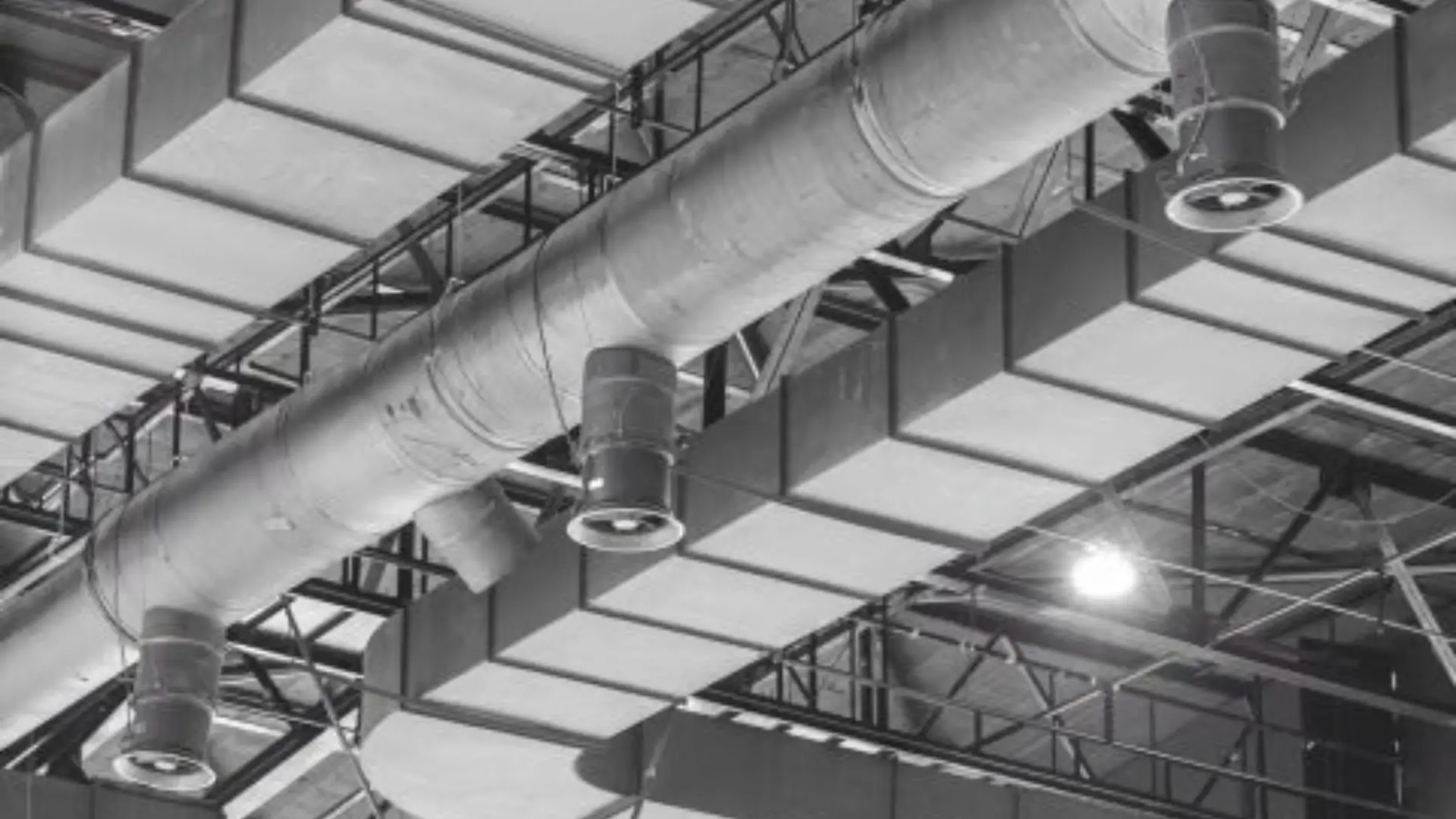
Commercial air ducts circulate air throughout offices, warehouses, hospitals, and other facilities every day. Over time, dust, debris, mold spores, and other contaminants accumulate inside these ducts, affecting air quality and HVAC efficiency.
Regular commercial air duct cleaning helps businesses maintain healthier indoor environments, reduce energy costs, and extend the lifespan of HVAC equipment.
What Is Commercial Air Duct Cleaning?
Commercial air duct cleaning is the process of removing dust, debris, contaminants, and microbial growth from the ductwork and ventilation components of an HVAC system.
Professional technicians use specialized equipment such as industrial vacuums, rotating brushes, and negative-pressure systems to clean the interior surfaces of ducts and other HVAC components.
Industry guidelines for proper duct cleaning are often established by organizations such as the National Air Duct Cleaners Association, which provides standardized procedures for HVAC system cleaning and inspection.
When performed correctly, duct cleaning helps maintain efficient airflow and healthier indoor environments.
Why Commercial Air Duct Cleaning Is Important
1. Improves Indoor Air Quality
Over time, duct systems collect contaminants such as:
- Dust and dirt
- Pollen
- Mold spores
- Bacteria
- Construction debris
These particles can circulate through the building whenever the HVAC system operates. According to the Environmental Protection Agency, indoor air pollution is among the top environmental risks affecting human health. Cleaning the duct system helps reduce airborne contaminants and improves overall indoor air quality.
2. Increases HVAC System Efficiency
Dust buildup inside ducts restricts airflow, forcing HVAC systems to work harder to maintain temperature levels.
This leads to:
- Increased energy consumption
- Uneven airflow
- Higher utility bills
Regular duct cleaning restores airflow efficiency and helps heating and cooling systems operate more effectively.
3. Reduces Maintenance and Repair Costs
Debris accumulation inside HVAC systems can place extra strain on key components such as blower motors, coils, and filters.
Routine duct cleaning helps:
- Reduce system wear
- Prevent premature component failure
- Lower maintenance expenses
Businesses that maintain clean duct systems often experience fewer HVAC breakdowns.
4. Prevents Mold Growth
Moisture inside duct systems can create the ideal environment for mold growth. Once mold develops in the ventilation system, spores can spread throughout the building.
This may cause:
- Respiratory irritation
- Allergies
- Unpleasant odors
Professional duct cleaning removes moisture buildup and contaminants that encourage microbial growth.
5. Creates a Healthier Workplace
Poor indoor air quality can contribute to symptoms often referred to as sick building syndrome, including:
- Headaches
- Fatigue
- Breathing issues
- Eye irritation
Cleaner ventilation systems help provide employees and customers with a healthier environment, which can improve comfort and productivity.
What Is Included in Commercial HVAC Duct Cleaning?
A professional HVAC cleaning service typically cleans the entire ventilation system, not just the ducts.
Components that are commonly cleaned include:
- Supply and return air ducts
- Air registers and grills
- Air filters and air cleaners
- Blower motors and assemblies
- Evaporator coils
- Drain pans
- Heat exchangers
- Air plenums
Cleaning the full HVAC system ensures that contaminants are removed from all airflow pathways.
How the Commercial Air Duct Cleaning Process Works
Professional duct cleaning companies typically use a source removal method to eliminate debris from the HVAC system. The process generally includes:
- Inspection of the HVAC system: Technicians assess ductwork condition and contamination levels.
- Creating negative air pressure: High-powered vacuum equipment is connected to the system to pull debris toward the collection unit.
- Mechanical agitation: Specialized brushes and air tools dislodge dust and debris inside the duct surfaces.
- Debris extraction: Contaminants are pulled through the ducts and collected in the vacuum system.
- Final inspection: Technicians confirm that ducts and HVAC components are properly cleaned.
This process ensures contaminants are removed without spreading them into the building.
How Much Does Commercial Air Duct Cleaning Cost?
Commercial duct cleaning costs vary depending on the size of the facility and complexity of the HVAC system. Typical cost ranges include:
| Building Size | Estimated Cost |
|---|---|
| Small office | $1,000 – $2,000 |
| Medium commercial building | $2,000 – $5,000 |
| Large facility or industrial site | $5,000+ |
Factors affecting cost include:
- Number of duct systems
- Accessibility of ductwork
- Contamination levels
- Labor requirements
- System size
A professional inspection can provide a more accurate estimate.
How to Choose a Commercial Air Duct Cleaning Company
When selecting an HVAC duct cleaning provider, consider the following factors:
- Industry certifications and training
- Years of experience in commercial HVAC systems
- Proper licensing and insurance
- Specialized duct cleaning equipment
- Transparent pricing and service details
Working with experienced HVAC professionals ensures the cleaning process is performed safely and effectively.
Final Thoughts
Commercial air duct cleaning plays a critical role in maintaining healthy indoor air quality, improving HVAC performance, and protecting building occupants.
Routine duct maintenance helps businesses reduce energy costs, prevent system damage, and create a cleaner workplace environment.
By investing in professional duct cleaning services, facility managers can ensure their HVAC systems operate efficiently while providing safer and healthier air for employees and customers.


