



For commercial and industrial facilities in Las Vegas, HVAC installation is more than just placing equipment inside a building. It is a long-term investment that directly impacts operational efficiency, employee comfort, system reliability, and energy costs.
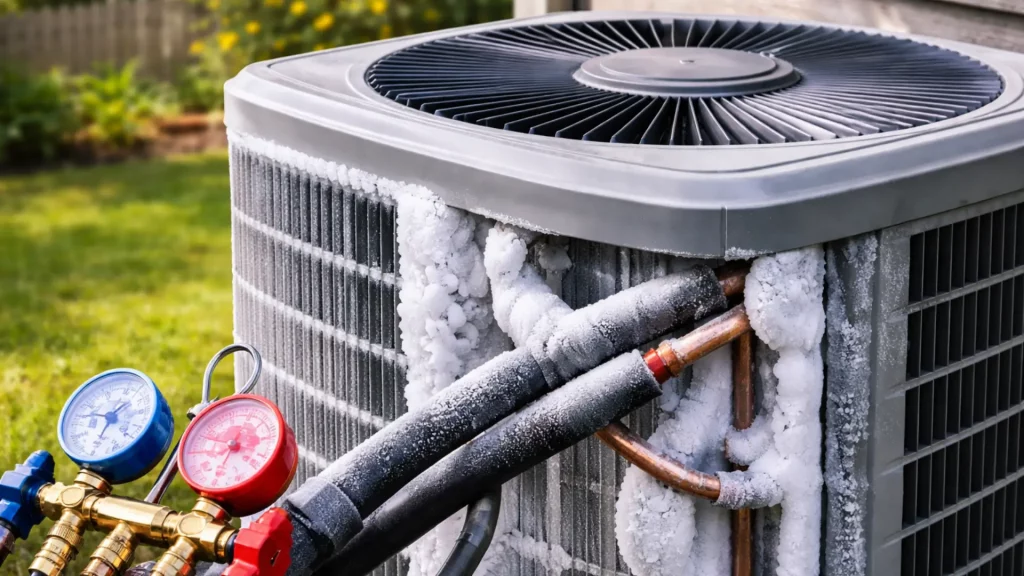
A poorly installed system can create ongoing problems such as uneven temperatures, airflow imbalance, excessive utility bills, and unexpected downtime. Many of these issues eventually develop into larger common HVAC problems & solution that impact system performance and increase repair costs. In contrast, a properly planned and professionally executed commercial HVAC installation helps businesses maintain consistent performance while reducing long-term operational costs.
Whether you are constructing a new facility or upgrading an aging system, understanding the commercial HVAC installation process can help you make informed decisions and avoid costly mistakes for your Las Vegas commercial property.
Overview of the Commercial HVAC Installation Process
Commercial HVAC installation in Las Vegas is a structured process that involves planning, engineering, coordination, installation, and system testing. Understanding the full HVAC installation process can help business owners prepare for project timelines, system requirements, and long-term operational efficiency. Unlike residential systems, commercial HVAC projects are more complex because they must support larger spaces, specialized operational requirements, and multiple building zones.
A typical commercial HVAC installation process includes:
1. Site evaluation and load calculations
2. System design and equipment selection
3. Pre-installation planning
4. Equipment installation and system integration
5. Testing, balancing, and commissioning
Each phase plays a critical role in ensuring the HVAC system operates efficiently and delivers long-term reliability.
Step 1: Site Evaluation and Load Calculations
Every successful HVAC installation starts with a detailed site assessment.
During this stage, HVAC professionals evaluate several important factors, including:
- Building size and layout
- Occupancy requirements
- Existing mechanical infrastructure
- Ventilation needs
- Local climate conditions
- Operational demands of the facility
Once the assessment is complete, technicians perform precise load calculations to determine the heating and cooling capacity required for the building.
Proper load calculations are essential because an undersized system may struggle to maintain indoor comfort, while an oversized system can waste energy and experience unnecessary wear.
This step becomes even more important for facilities such as:
- Manufacturing plants
- Warehouses
- Healthcare facilities
- Food processing operations
- Data centers
- Large office buildings
These environments often require strict temperature control, ventilation standards, or specialized air quality management.
Step 2: System Design and Equipment Selection
After evaluating the facility requirements, the next phase focuses on designing the HVAC system.
At this stage, contractors determine the most suitable system configuration based on the building’s operational needs and long-term efficiency goals.
This process typically includes selecting:
- Rooftop units (RTUs)
- VRF systems
- Chillers and boilers
- Air handling units
- Ductwork layouts
- Piping systems
- Control and automation systems
The goal is to create a commercial HVAC system that delivers:
- Consistent airflow
- Energy efficiency
- Reliable temperature control
- Easy maintenance access
- Scalability for future expansion
Modern commercial HVAC design also considers energy-saving technologies and smart building integration to improve long-term operational performance.
Step 3: Pre-Installation Planning
Pre-installation planning is one of the most important stages of any commercial HVAC project.
This phase helps ensure the installation process runs smoothly, safely, and on schedule.
Typical pre-installation planning tasks include:
- Coordinating with electrical and plumbing teams
- Reviewing construction timelines
- Ordering equipment and materials
- Preparing installation schedules
- Identifying potential structural challenges
- Confirming code compliance requirements
Proper planning reduces delays, prevents conflicts between trades, and minimizes disruptions during installation.
For large-scale commercial and industrial facilities in Las Vegas, careful coordination is critical to maintaining project efficiency.
Step 4: HVAC Installation and System Integration
Once planning is complete, the physical installation process begins.
This phase includes installing HVAC equipment and connecting all mechanical components required for system operation.
Installation work may involve:
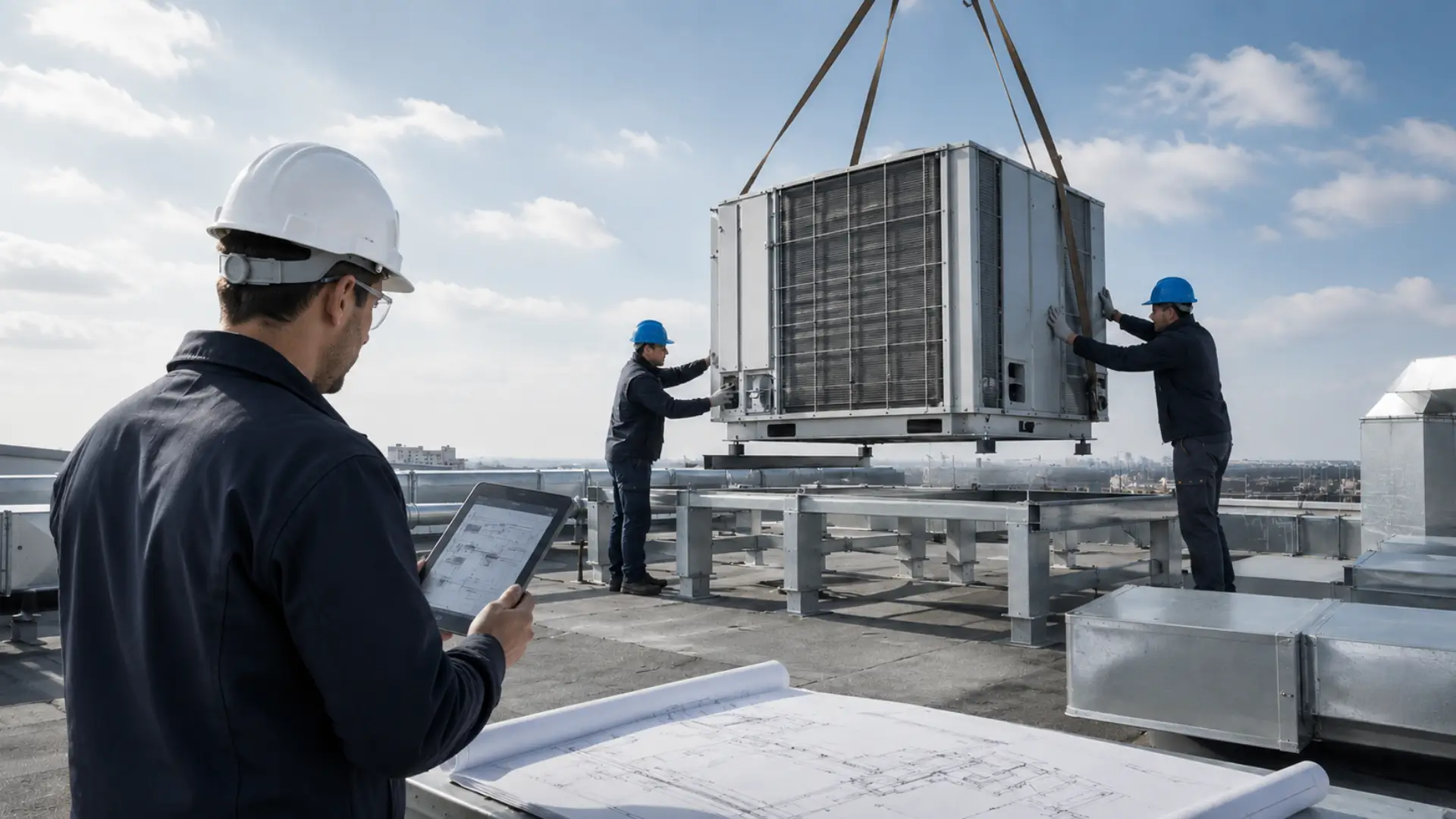
- Setting rooftop HVAC units
- Installing chillers or boilers
- Running ductwork and piping
- Completing electrical connections
- Installing ventilation systems
- Integrating automation and control systems
For example, rooftop unit installation in Las Vegas often requires additional planning for extreme heat conditions, rooftop exposure, and long-term energy efficiency.
System integration is equally important. The HVAC system must communicate properly with building automation systems and other mechanical infrastructure to ensure consistent performance across all building zones.
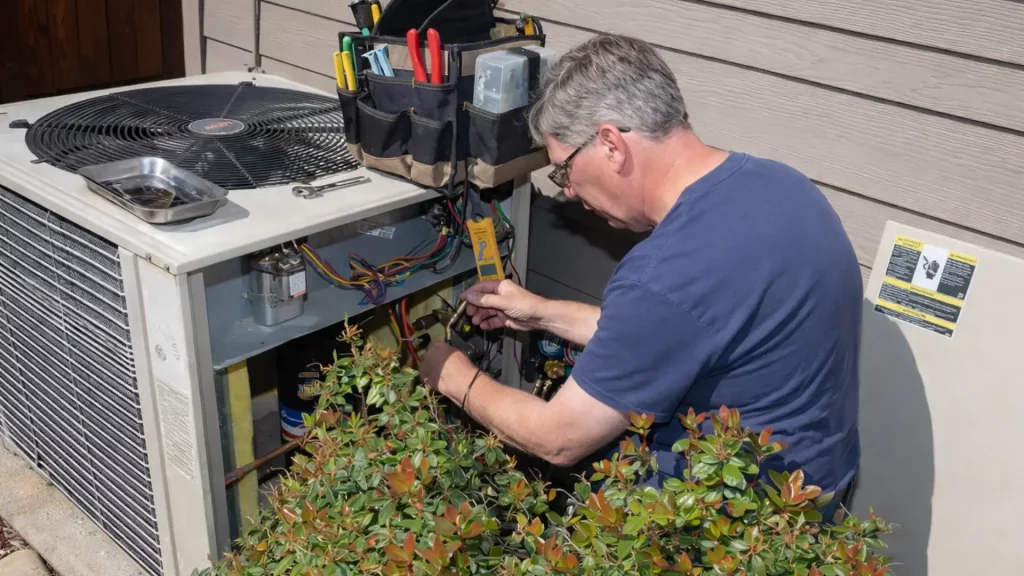
An experienced commercial HVAC contractor helps ensure every component is installed correctly and aligned with the original system design.
Step 5: Testing, Calibration, and Commissioning
Before the system becomes fully operational, technicians perform detailed testing and commissioning procedures.
This final phase ensures the HVAC system operates according to design specifications and performance expectations.
The commissioning process typically includes:
- Airflow testing and balancing
- Temperature calibration
- System performance verification
- Equipment startup testing
- Controls and automation checks
- Energy efficiency validation
Commissioning is essential because it helps identify hidden issues before the system goes live.
A properly commissioned commercial HVAC system delivers:
- Better energy efficiency
- Improved indoor comfort
- Reduced operational issues
- Longer equipment lifespan
- Lower maintenance costs
Skipping or rushing this step can lead to long-term performance problems and costly repairs.
How Long Does Commercial HVAC Installation Take?
The HVAC installation timeline depends on several factors, including the size and complexity of the project. Common factors that affect project timelines include:
- Building size
- Type of HVAC system
- Equipment availability
- Structural requirements
- Coordination between trades
- Site accessibility
In general:
- Smaller commercial installations may take several days to two weeks
- Mid-sized projects may require multiple weeks
- Large industrial installations can take several months depending on system complexity
Unexpected structural issues, permit delays, or incomplete planning can extend installation timelines.
Working with an experienced Las Vegas HVAC contractor helps keep the project organized and on schedule while ensuring systems can handle the region’s extreme temperatures and operational demands.
Common Commercial HVAC Installation Challenges
Even well-planned projects can encounter challenges during installation. Understanding these issues early can help businesses avoid costly setbacks.
1. Improper System Sizing:
Incorrect load calculations often lead to inefficient system performance and higher energy consumption.
Solution: Ensure the contractor performs detailed load calculations during the planning stage.
2. Coordination Problems Between Trades:
Poor communication between contractors can create delays and installation conflicts.
Solution: Choose a contractor experienced in managing commercial mechanical projects.
3. Installation Errors:
Improper installation can reduce efficiency and shorten equipment lifespan.
Solution: Work with trained technicians who specialize in commercial HVAC systems.
4. Incomplete Commissioning:
Skipping system testing can leave hidden operational issues unresolved.
Solution: Prioritize complete testing, balancing, and commissioning before project completion.
Final Thoughts
Commercial HVAC installation is one of the most important investments for any commercial or industrial facility in Las Vegas. From accurate system sizing and equipment selection to professional installation and commissioning, every step directly impacts energy efficiency, indoor comfort, operational reliability, and long-term maintenance costs.
Because Las Vegas experiences extreme temperatures for much of the year, businesses need HVAC systems that are designed to perform consistently under demanding conditions. Poor installation or improper planning can lead to higher utility bills, uneven cooling, system breakdowns, and costly operational disruptions.
Working with an experienced commercial HVAC contractor ensures your system is properly designed, installed, and optimized for your building’s specific requirements. Whether you are developing a new facility, replacing outdated equipment, or upgrading an existing system, choosing the right installation partner can help improve performance, reduce downtime, and extend equipment lifespan.
If your business is planning a commercial HVAC installation project in Las Vegas, contact our team today at 702-331-3333 to discuss your facility’s heating, cooling, and ventilation needs.