



Maintaining clean air in your home is essential for comfort, health, and the efficiency of your HVAC system. For Las Vegas homeowners, this becomes even more critical. The dry desert climate, frequent dust storms, and seasonal pollen contribute to airborne particles that can quickly clog HVAC filters, reduce air quality, and strain your system. One of the most effective and straightforward ways to ensure healthy air and efficient heating and cooling is to replace your HVAC air filter regularly.
Replacing filters on schedule protects your family from allergens, keeps your system running efficiently, and reduces energy bills. But the exact replacement interval depends on several factors, including filter type, household conditions, lifestyle, and the Las Vegas environment.
How Often Should You Replace Your Air Filter?
The replacement frequency of an air filter depends on several factors, including the type of filter, household conditions, and usage patterns. Standard fiberglass filters typically need to be replaced every 30 to 60 days. Homes with pets or smokers usually benefit from changing these filters every 30 days to prevent excessive accumulation of hair, dander, and smoke particles. Pleated filters, known for their higher dust-trapping capability, often last longer, with a lifespan of 90 to 180 days, although monthly inspections are recommended. HEPA filters, which provide the highest level of filtration, can remain effective for six months to a year depending on air quality and household conditions. Learn more about MERV ratings and how to choose the right filter.
For homes in Las Vegas, where dust storms and the dry desert climate are common, even filters with longer lifespans may need more frequent replacement to maintain optimal performance.
Why Air Filter Replacement Matters for Las Vegas Homes
Las Vegas homes face unique challenges due to desert climate, dust storms, and seasonal pollen. Replacing filters regularly has multiple benefits:
1. Health & Indoor Air Quality
Dirty filters allow dust, pollen, pet dander, and smoke particles to circulate, which can cause:
- Allergy flare-ups and asthma symptoms
- Respiratory irritation and coughing
- Musty odors in rooms
Regular replacement ensures clean, breathable indoor air year-round.
2. HVAC Efficiency & Energy Savings
A clogged filter forces your HVAC system to work harder:
- Increases energy consumption
- Reduces heating/cooling efficiency
- Shortens equipment lifespan
Replacing filters on time keeps your HVAC system running optimally.
3. Cost Benefits
Frequent filter changes can save money:
- Prevent expensive repairs caused by strain on HVAC
- Reduce energy bills with proper airflow
- Extend HVAC system life, delaying costly replacements
Factors That Affect Replacement Frequency
Not all homes are the same. Consider these factors when planning your replacement schedule:
1. Filter Type
- Fiberglass: Short lifespan, 30–60 days
- Pleated: 90–180 days, better filtration
- HEPA: 6–12 months, premium filtration
2. Indoor Air Quality
Dirty filters allow dust, pollen, pet dander, and smoke particles to circulate, which can lead to allergy flare-ups, asthma symptoms, and respiratory irritation. Understanding what problems a bad air filter can cause will help you see why timely replacement is critical.
3. Pets & Allergies
- Fur and dander accelerate clogging
- Allergy-sensitive households benefit from HEPA or higher-MERV pleated filters
4. Home Occupancy & Lifestyle
- Large families, more indoor activity → faster dirt accumulation
- Low-occupancy or vacation homes → filters last longer
5. Las Vegas Climate
- Dry, dusty desert air makes replacement more frequent
- Check filters after summer dust storms or pollen season
Choosing the Right Filter for Las Vegas Homes
MERV Ratings Explained
- MERV 8–11: Standard home use, traps large particles
- MERV 12–16: Recommended for pets/allergies, captures smaller particles. See our guide on the best HVAC filters for allergy relief.
- HEPA (MERV 17–20): Medical-grade filtration, ideal for allergy-sensitive households
Filter Recommendations
- Standard homes: Pleated MERV 8–11
- Homes with pets/allergies: MERV 12+ or HEPA
- High-dust environments: Pleated or HEPA with more frequent replacement
Pro Tip: High-MERV filters can reduce airflow if your HVAC isn’t designed for them—consult a professional if unsure.
Benefits of Regular Air Filter Replacements
Improved Indoor Air Quality
The most significant benefit of adhering to a proper air filter replacement schedule is the continuous improvement of indoor air quality. Clean air filters ensure that harmful particles are consistently removed, leading to better respiratory health and a reduction in allergy symptoms.
Increased HVAC System Efficiency
Clogged and dirty air filters force HVAC systems to work harder, leading to reduced efficiency and increased energy consumption. Regular replacements maintain optimal airflow, allowing the system to function efficiently and extend its lifespan. To learn how high-efficiency filters may affect airflow, check our guide on whether better air filters restrict airflow.
Cost Savings
Regularly replacing air filters can save money in the long run by preventing costly HVAC repairs and potential breakdowns. Moreover, energy savings resulting from a well-maintained system can lead to reduced utility bills. See whether premium air filters are worth the investment for your home.
FAQs About Air Filter Replacement
1. How do I know if my filter is dirty?
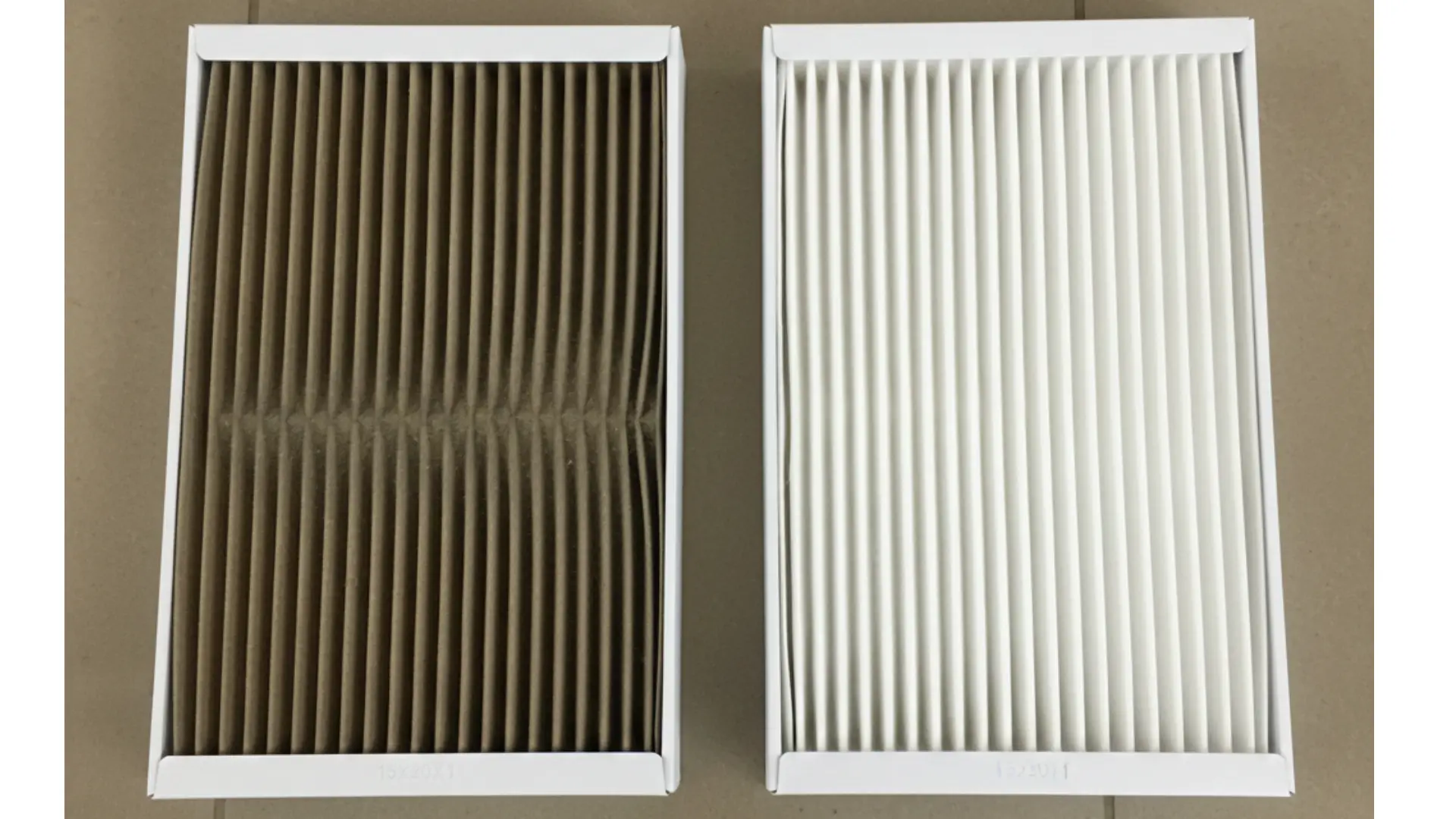
Check the filter visually for dust accumulation or discoloration. A dirty filter often looks gray or clogged, and may also cause noticeable odors or reduced airflow.
2. How often should homes with pets replace filters?
Homes with pets generally benefit from replacing filters every 30 days due to the extra accumulation of hair and dander.
3. Can air filters be cleaned and reused?
Most standard filters are disposable and should be replaced. Some pleated or HEPA filters can be lightly vacuumed, but replacement is recommended for optimal efficiency.
4. What filter is best for allergy-prone households?
HEPA filters or high-MERV pleated filters (MERV 12–16) are recommended to reduce allergens in the home effectively.
5. Does the Las Vegas climate affect filter lifespan?
Yes, the dry desert environment and frequent dust storms in Las Vegas cause filters to clog faster, requiring more frequent replacement than in more temperate regions.
Conclusion: Make Air Filter Replacement a Priority
Maintaining clean and efficient air filters is crucial for promoting a healthy and comfortable living environment. The frequency of air filter replacements depends on factors such as filter type, indoor air quality, occupancy, and lifestyle. Following recommended replacement schedules not only improves indoor air quality but also enhances HVAC system efficiency, leading to cost savings. As responsible homeowners, it is essential to prioritize regular air filter replacements to ensure the well-being of both our families and our HVAC systems—and to know exactly how often to change HVAC filter units for maximum benefit.