


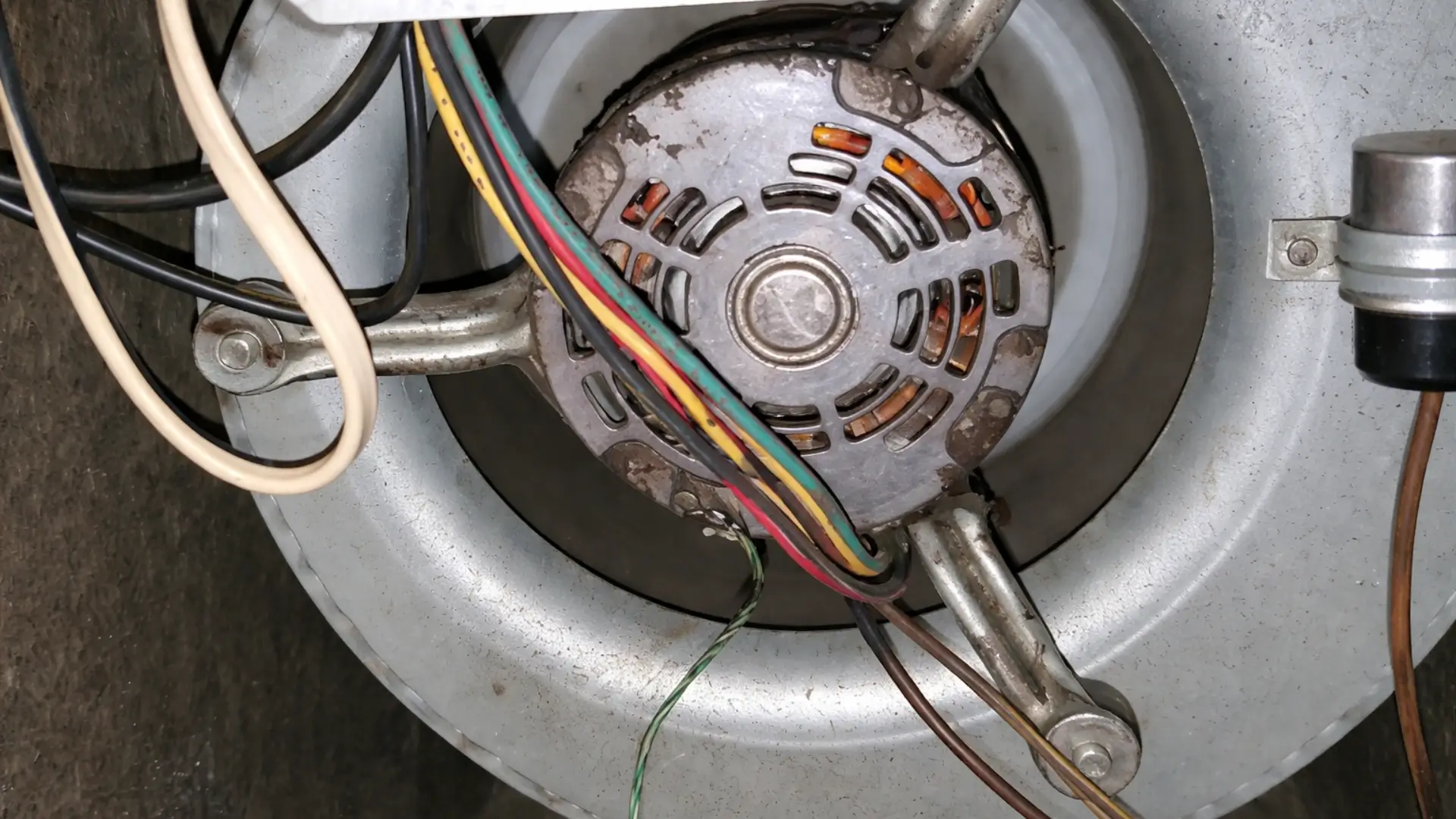


If your air conditioner suddenly stops cooling or the fan is not spinning, the problem could be a failing AC motor. The motor is responsible for moving air through your system and helping release heat from the unit. When it begins to fail, your AC may struggle to operate properly.
The good news is that there are several warning signs that can help you identify a bad AC motor before the system completely stops working.
Quick Signs Your AC Motor Might Be Bad
If you notice any of the following symptoms, your AC motor may need repair or replacement:
- The outdoor fan is not spinning
- Weak airflow from your air vents
- Loud humming, grinding, or squealing noises
- Burning smell coming from the unit
- The AC struggles to start or shuts off unexpectedly
If your system shows two or more of these signs, it is likely that the motor or a related component needs professional inspection.
What Does an AC Motor Do?
Your air conditioning system typically contains two important motors.
- Blower Motor: This motor is located inside your indoor air handler. It pushes cooled air through your ductwork and distributes it throughout your home.
- Condenser Fan Motor: This motor is located in the outdoor unit. It spins the fan that helps release heat from the refrigerant so your AC can cool properly. If either of these motors fails, your AC system will struggle to maintain comfortable temperatures.
5 Common Signs of a Bad AC Motor
1. AC Fan Is Not Spinning: One of the most obvious signs of a failing condenser fan motor is when the outdoor fan stops spinning. If the fan does not run while the AC is on, the system cannot release heat properly. This can quickly cause the system to overheat.
2. Weak or No Airflow From Vents: If your vents are producing very little airflow, the blower motor may not be working properly. Poor airflow can make it difficult for your AC to cool your home evenly.
3. Unusual Noises From the Unit: Strange noises often indicate mechanical problems inside the motor. Common sounds include:
- Grinding
- Screeching
- Rattling
- Loud humming
These sounds may occur when bearings wear out or internal components begin to fail.
4. Burning or Electrical Smell: If you smell burning plastic or electrical odors near your AC system, the motor may be overheating. This can happen when wiring or motor components start to fail. In this situation, it is best to turn off the system and call an HVAC technician.
5. AC Struggles to Start: Sometimes the AC motor may have trouble starting. The system may click, hum, or attempt to start before shutting off again. This can be caused by a failing motor or a faulty capacitor that helps power the motor.
Also Read: Signs your HVAC Blower Motor needs to be replaced
How to Test if Your AC Motor Is Bad
While full diagnosis should be done by a professional, homeowners can perform a few basic checks.
1. Check the Outdoor Fan
Look at the outdoor condenser unit while the AC is running. If the fan:
- Is not spinning
- Spins very slowly
- Stops frequently
- The motor may be failing.
2. Listen for Humming Sounds
If the unit makes a humming noise but the fan is not spinning, the motor may be struggling to start. This can sometimes indicate a capacitor issue rather than a motor failure.
3. Inspect the Capacitor
The capacitor helps the motor start and run efficiently. Signs of a bad capacitor include:
- A swollen or bulging top
- Leaking fluid
- Corrosion around the terminals
If the capacitor fails, the motor may not start properly.
4. Check Airflow From Vents
Walk around your home and check the airflow from several vents. Weak airflow can indicate problems with the blower motor.
Also Read: What Are Air Ducts and How Do They Affect Airflow?
AC Motor Problems vs Capacitor Problems
Many AC issues that appear to be motor failure are actually caused by a faulty capacitor.
Here are some differences:
| Problem | Possible Cause |
|---|---|
| Fan not spinning but humming | Bad capacitor |
| Grinding or squealing noises | Motor bearings failing |
| Weak airflow from vents | Blower motor issue |
| AC struggles to start | Capacitor or motor problem |
Because these components work together, accurate diagnosis often requires professional testing.
What Causes an AC Motor to Fail?
Several factors can contribute to motor failure.
1. Lack of Maintenance: Dust, debris, and clogged filters can force the motor to work harder.
2. Electrical Issues: Voltage fluctuations and damaged wiring can affect motor performance.
3. Overheating: Restricted airflow or dirty condenser coils can cause the motor to overheat.
4. Age: Most AC motors last 10 to 15 years, depending on maintenance and usage.
Can You Run an AC With a Bad Motor?
Running your air conditioner with a failing motor is not recommended. A bad motor can:
- Cause the system to overheat
- Damage the compressor
- Increase energy costs
- Lead to a complete AC system failure
It is best to turn off the system until the issue is inspected.
AC Motor Replacement Cost
The cost of replacing an AC motor depends on the type of system and motor. Typical replacement costs include:
- Blower motor replacement: $300 to $900
- Condenser fan motor replacement: $400 to $700
Costs may vary depending on labor, system type, and location.
When to Call an HVAC Technician
While some basic checks can be done at home, motor repairs involve electrical components that should be handled by professionals. You should contact an HVAC technician if:
- The outdoor fan stops spinning
- The AC makes loud grinding noises
- There is a burning smell from the unit
- The system stops cooling your home
A technician can safely diagnose the issue and recommend the proper repair.
Also Read: Common HVAC Problems and Solutions
How to Prevent AC Motor Failure
Regular maintenance can extend the lifespan of your AC motor. Helpful maintenance tips include:
- Replace air filters regularly
- Keep the outdoor unit free of debris
- Schedule annual HVAC maintenance
- Clean condenser coils when needed
- Ensure proper airflow around the system
Routine maintenance helps your air conditioning system run efficiently and reduces the risk of unexpected breakdowns.
Final Thoughts
A failing AC motor can lead to poor cooling performance and eventually cause your air conditioner to stop working entirely. Paying attention to warning signs such as weak airflow, unusual noises, or a non spinning fan can help you identify the problem early.
If you suspect your AC motor is failing, having the system inspected by a qualified HVAC technician is the safest way to diagnose the issue and restore proper cooling.
Frequently Asked Questions
1. How do I know if my AC fan motor is bad?
Common signs of a bad AC fan motor include weak airflow, unusual grinding or squealing noises, the outdoor fan not spinning, and the system struggling to start. If the motor fails completely, your AC may stop cooling your home.
2. Why is my AC fan not spinning but the unit is humming?
If your AC unit is humming but the fan is not spinning, the most common cause is a faulty capacitor. The capacitor helps start the motor. If it fails, the motor may not receive enough power to start.
3. Can a bad capacitor damage the AC motor?
Yes. A failing capacitor can force the motor to work harder or prevent it from starting properly. Over time, this can overheat the motor and lead to permanent damage.
4. How long does an AC motor usually last?
Most AC fan motors last between 10 and 15 years, depending on maintenance, usage, and environmental conditions. Regular HVAC maintenance can help extend the lifespan of the motor.
5. Is it safe to run an AC with a bad motor?
No. Running an air conditioner with a failing motor can cause overheating, increase energy consumption, and potentially damage other important components like the compressor.
6. How much does it cost to replace an AC motor?
The cost of replacing an AC motor usually ranges from $300 to $900, depending on whether it is a blower motor or condenser fan motor and the complexity of the repair.


