



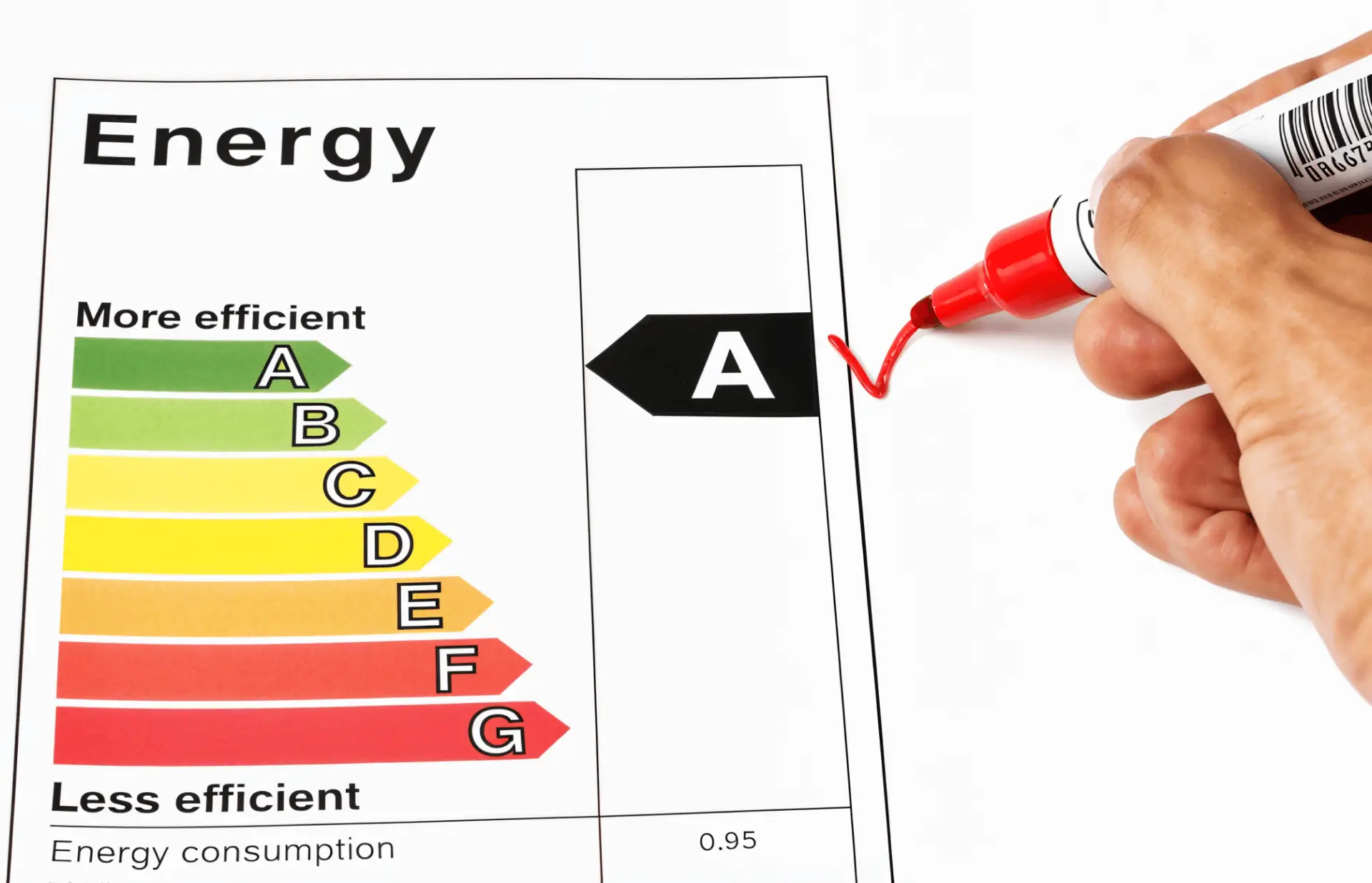


Modern homeowners aren’t just looking for heat — they’re looking for comfort that doesn’t drain their wallet or the environment. Heating technology has moved far beyond oversized furnaces and inconsistent room temperatures. Today’s energy-efficient systems are designed to deliver steady warmth, cut energy waste, and adapt to different climates across the US.
If you’re exploring ways to improve your home’s heating performance, reduce energy bills, or upgrade an outdated system, this guide breaks down everything you actually need to know — without the sales pitch.
What Is an Energy-Efficient Home Heating System?
An energy-efficient heating system is built to produce the same (or better) level of heat as a traditional unit while using significantly less energy.
This efficiency comes from improved technology, smarter control systems, and better engineering.
These systems typically feature:
- Advanced compressors or burners that minimize waste
- Variable-speed operation, allowing precise temperature control
- Improved heat transfer technology
- Better insulation and design to prevent energy loss
In simple terms:
You get more heat per unit of energy consumed — and less money wasted.
How Energy Efficiency Impacts Your Heating System’s Performance
Energy efficiency isn’t just about lowering bills — it directly influences how well your home stays warm.
Stable, Even Heating
Efficient systems avoid rapid on/off cycling. Instead, they operate in longer, steady cycles that maintain consistent indoor temperatures.
Quieter Operation
Variable-speed furnaces and heat pumps run smoother and quieter because they rarely operate at full capacity.
Lower Wear & Tear
Fewer hard starts and stops reduce stress on components, helping the system last longer with fewer repairs.
Improved Comfort in All Seasons
Heat pumps deliver both heating and cooling—giving you a balanced indoor climate year-round.
The Most Efficient Heating Systems for US Homes
Different climates require different systems. Here’s what works best today:
1. High-Efficiency Gas Furnaces (95%–98% AFUE)
Best for: Cold-climate homeowners with natural gas access
These furnaces convert nearly all fuel into usable heat—far better than older 70–80% AFUE models.
2. Air-Source Heat Pumps (SEER2 + HSPF2 Rated)
Best for: Mild to moderately cold regions
Modern models perform well even in freezing temperatures thanks to new refrigerants and compressor tech.
3. Ductless Mini-Split Heat Pumps
Best for: Homes without ductwork, room additions, or supplemental heating
Energy use is low because heat is moved, not generated. If you’re comparing heating options for your home, this guide on duct vs ductless systems explains which setup is more efficient and cost-effective.
4. Geothermal (Ground-Source) Heat Pumps
Best for: Long-term homeowners
They offer exceptional efficiency, but installation costs are higher due to underground loop systems.
5. Hybrid Heating Systems
These systems switch between a heat pump and furnace automatically based on outdoor temperature — the most cost-efficient dual solution available.
Understanding Heating Efficiency Ratings (AFUE, HSPF2, SEER2, COP)
Heating systems use different ratings depending on the technology. Here’s what actually matters:
1. AFUE (Annual Fuel Utilization Efficiency) → Gas furnaces
Higher number = less wasted fuel
2. HSPF2 (Heating Seasonal Performance Factor) → Heat pumps
A key measure of heating efficiency
3. SEER2 → Cooling efficiency for heat pumps
Relevant for year-round performance
4. COP (Coefficient of Performance) → Heat pumps
Shows how much heat is produced per unit of energy
Understanding these ratings helps you avoid overpaying for performance you won’t use or picking a system that doesn’t match your climate. If you want to understand how heating efficiency is actually measured, here’s a simple breakdown of AFUE ratings and how they impact furnace performance.
Benefits of Installing an Energy-Efficient Heating System
Here are the advantages that actually matter — not generic textbook claims:
1. Lower Energy Bills That You’ll Actually Notice
Efficient systems use less power or fuel to maintain the same temperature.
Depending on your climate and system type, homeowners typically see 10%–35% annual savings.
2. A Smaller Environmental Impact
Reduced fuel consumption means lower emissions. Heat pumps, in particular, cut carbon output dramatically compared to older furnaces.
3. Better Indoor Comfort
Modern systems distribute heat more evenly, maintain steady temperatures, and reduce cold spots — something old single-stage furnaces struggle with.
4. Cleaner, Healthier Indoor Air
Many efficient systems include:
- Better filtration
- Humidity control
- Advanced air circulation
Cleaner air can reduce dust, allergens, and dry-air discomfort during winter.
5. Increased Home Value
Energy-efficient upgrades boost appraisal value because buyers know future heating costs will be lower.
Energy-Efficient Heating Solutions Beyond the Equipment
Efficiency doesn’t rely on the heating system alone. The structure of the home matters just as much.
Insulation & Air Sealing
Poor insulation makes even the best heating system work overtime.
Ductwork Optimization
Up to 30% of heated air can escape through leaky ducts.
Sealing and insulating ducts can immediately improve system performance.
Smart Thermostats
Learning thermostats reduce waste by adjusting heat based on your routine.
Routine Maintenance
A neglected system can lose 5–10% efficiency every year.
Simple steps like filter replacements and seasonal tune-ups keep performance high. To get a clearer idea of long-term ownership expenses, check out this detailed breakdown of HVAC maintenance costs and what homeowners typically spend each year.
Cost, Savings & Realistic ROI
A common misconception is that energy-efficient systems are “too expensive.”
The truth is:
- Upfront cost is higher
- Operational cost is much lower
- Most homeowners recover the difference within 3–7 years, depending on climate and system type
Heat pumps usually have the fastest ROI because they replace both heating and cooling equipment. Following a proper furnace maintenance schedule can also help energy-efficient systems perform at their peak and reduce unexpected breakdowns.
Rebates, Tax Credits & Incentives in the US
Current programs often include:
- Federal tax credits for qualifying heat pumps and high-efficiency furnaces
- State-level incentives (varies by region)
- Utility provider rebates for efficiency upgrades
- Energy efficiency financing programs
These incentives reduce upfront cost and accelerate payback.
Why Professional Installation Matters
Even the most advanced system won’t perform efficiently if it’s improperly installed.
Incorrect sizing, duct flaws, or refrigerant errors can reduce efficiency by 20% or more.
A proper installation includes:
- Load calculation (Manual J)
- Correct system sizing
- Proper airflow setup
- Duct evaluation
- System optimization for climate zone
This is where long-term efficiency is either made or destroyed. Many common HVAC problems happen due to poor installation or neglected maintenance — which is why choosing certified professionals makes a big difference.
FAQs: Common Questions About Energy-Efficient Heating
Which heating system is the most energy efficient?
Geothermal heat pumps top the list, followed by advanced air-source heat pumps.
Is a heat pump better than a furnace?
Depends on your climate.
Heat pumps excel in mild to moderately cold areas; high-efficiency furnaces are better for extreme winters.
How long do energy-efficient systems last?
- Furnaces: 15–20 years
- Heat pumps: 12–15 years
- Geothermal: 20–25+ years
How can I maximize my heating efficiency?
Use a smart thermostat, seal air leaks, maintain your system, and keep filters clean.
Conclusion: Is an Energy-Efficient Heating System Worth It in 2025?
If your current system is more than 12–15 years old, inconsistent, noisy, or driving up your bills, upgrading to an energy-efficient model is one of the smartest home improvements you can make.
You’ll gain better comfort, lower energy costs, and stronger long-term value — and with rising energy prices, efficiency is becoming less of an upgrade and more of a necessity.


