





Selecting the right air conditioning system is not simply about cooling your home. It affects your energy efficiency, long-term costs, and overall comfort. Each system has its place, depending on how your home is built and how you plan to use it.
Below is a structured breakdown of the most common types of air conditioners, explained clearly to help you make an informed decision.
1. Window Air Conditioner
A window air conditioner is a self-contained unit installed in a window or wall opening. It cools a single room by drawing in warm air, passing it over cooling coils, and releasing heat outdoors.
Pros
- Simple installation without complex setup
- Lower upfront cost compared to other systems
- Suitable for spaces without ductwork
- Easily available and replaceable
Cons
- Limited to cooling one room at a time
- Noticeable noise during operation
- Can increase energy costs with continuous use
- Blocks natural light and affects window usability
Best For: Small rooms, apartments, and short-term or budget-friendly cooling needs.
2. Central Air Conditioning System
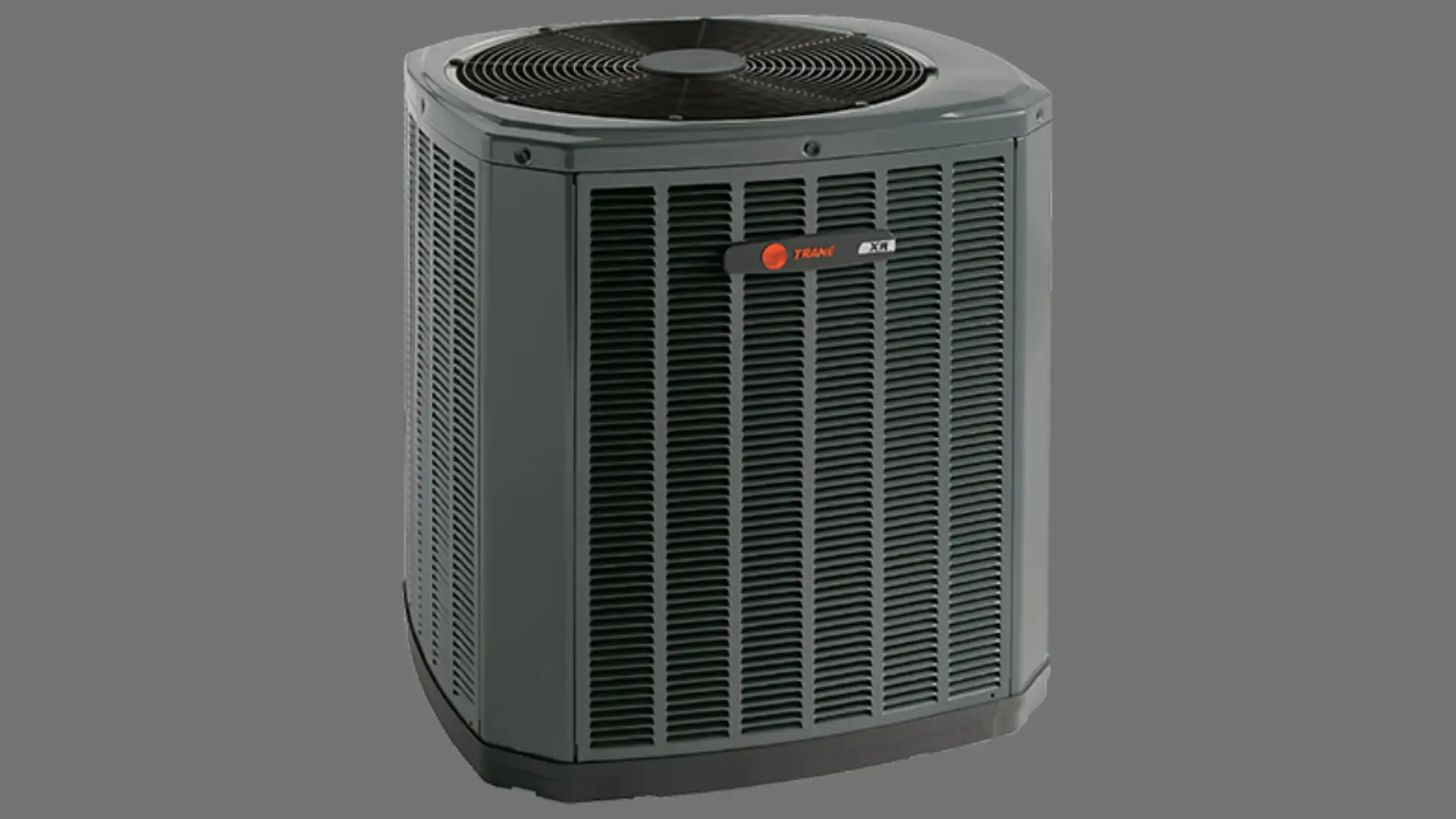
Central air conditioning systems cool an entire home using a network of ducts. An outdoor unit works with an indoor coil to distribute conditioned air evenly through vents.
Pros
- Provides consistent cooling throughout the home
- Maintains uniform indoor temperature
- Works efficiently with proper duct design
- Compatible with modern smart thermostats
Cons
- Higher initial installation cost
- Performance depends heavily on ductwork quality
- Requires professional installation and maintenance
- Energy loss possible if ducts are not properly sealed
Best For: Medium to large homes with existing duct systems.
3. Ductless Mini-Split System
A ductless mini-split system consists of an outdoor unit connected to one or more indoor units. Each indoor unit independently cools a specific area or room.
Pros
- No ductwork required
- High energy efficiency due to minimal energy loss
- Allows individual room temperature control
- Quiet and discreet operation
Cons
- Higher upfront installation cost
- Indoor units remain visible on walls
- Requires proper placement for optimal airflow
Best For: Homes without ducts, room additions, and zoned cooling needs.
4. Portable Air Conditioner
Portable air conditioners are standalone units that can be moved between rooms. They use an exhaust hose to vent hot air outside, usually through a window.
Pros
- No permanent installation required
- Easy to relocate
- Suitable for temporary cooling needs
Cons
- Limited cooling capacity
- Takes up floor space
- Less energy-efficient than fixed systems
- Requires proper venting setup
Best For: Temporary cooling, small spaces, and flexible usage.
5. Floor-Mounted Air Conditioner
Floor-mounted air conditioners are installed at the lower part of a wall and deliver air directly into the room.
Pros
- Easy to access for maintenance
- Suitable for rooms with limited wall height
- Does not require ductwork
Cons
- Limited airflow coverage
- Can accumulate dust more quickly
- Less common in residential applications
Best For: Small rooms, basements, and spaces with installation constraints.
6. Smart Air Conditioning Systems
Smart air conditioning systems are equipped with advanced controls such as Wi-Fi connectivity, mobile app access, and automation features.
Pros
- Remote control and scheduling
- Improved energy management
- Integration with smart home systems
- Enhanced convenience
Cons
- Higher initial cost
- May require setup and configuration
- Dependent on internet connectivity
Best For: Homeowners looking for convenience, automation, and energy savings
7. Geothermal Air Conditioning System
Geothermal systems use underground temperatures to regulate indoor climate. A ground-source heat pump transfers heat between your home and the earth.
Pros
- Extremely energy-efficient
- Lower long-term operating costs
- Environmentally friendly
Cons
- High installation cost
- Complex setup process
- Requires significant space for installation
Best For: New construction homes and long-term investment planning
8. Hybrid (Dual Fuel) Air Conditioning System
A hybrid system combines a heat pump with a gas furnace. It automatically switches between the two to maintain efficiency based on outdoor temperatures.
Pros
- Efficient year-round performance
- Reduced energy costs
- Flexible heating and cooling
Cons
- More complex system design
- Higher upfront cost
- Requires professional setup and maintenance
Best For: Homes in regions with seasonal temperature variation
9. Ceiling Cassette Air Conditioner
Ceiling cassette systems are installed in the ceiling and distribute air evenly in multiple directions.
Pros
- Even air distribution
- Clean and modern appearance
- Saves wall space
Cons
- Complex installation process
- Requires ceiling modification
- Higher installation cost
Best For: Modern homes, offices, and open-plan spaces
Ready for Reliable Air Conditioning Service?
If your air conditioner is not performing the way it should, waiting will only make the problem worse. Whether you need a new installation, fast repairs, or routine maintenance, the right solution starts with the right team. The A/C Guys provide expert air conditioning services designed for long-term performance, not quick fixes.
Final Thoughts
There is no single air conditioning system that works for every home. The right choice depends on your layout, cooling needs, and long-term priorities.
A well-selected system, combined with proper installation and maintenance, will always outperform a poorly chosen one regardless of brand or price.


