



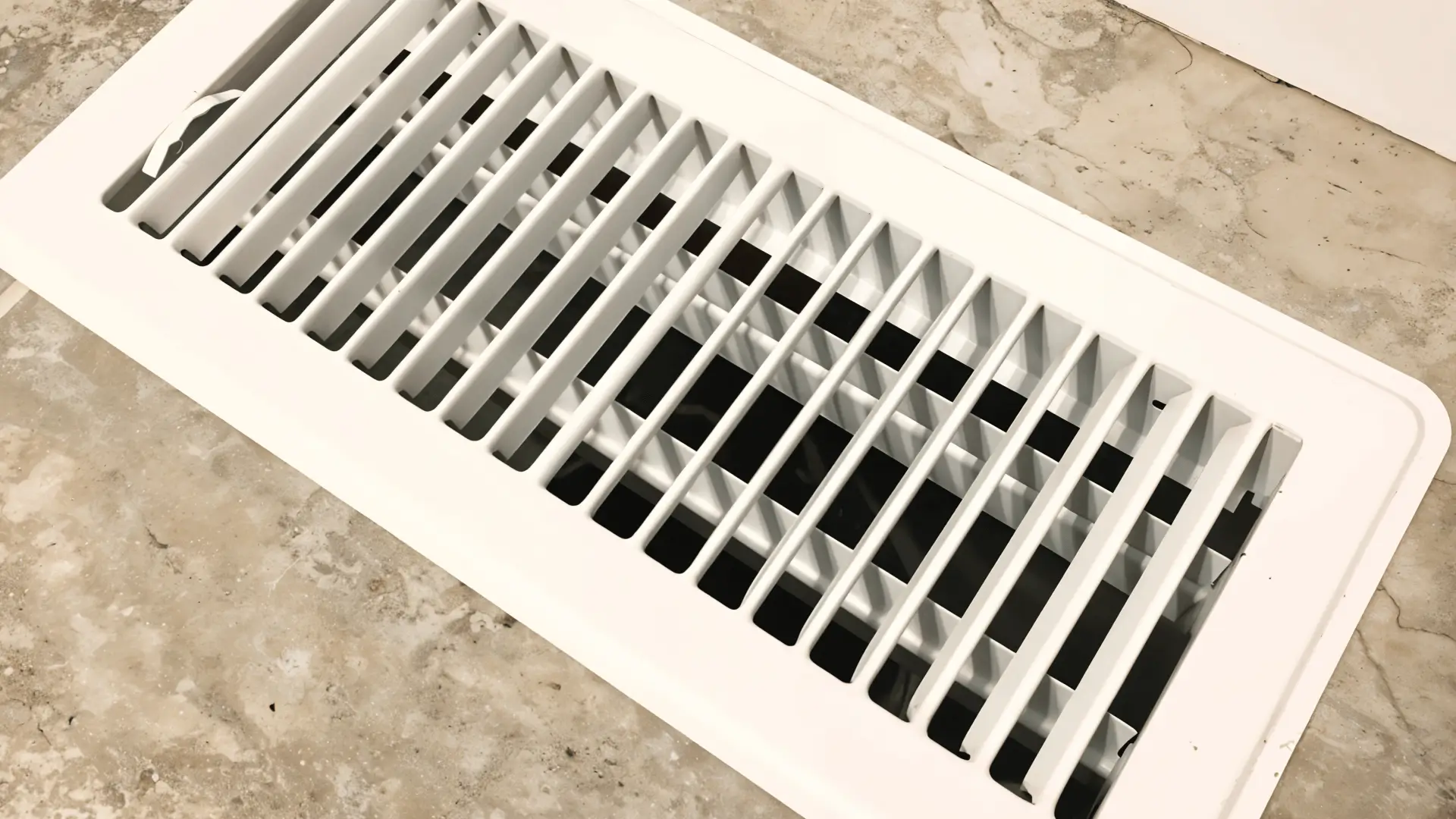


Unpleasant smells from your air conditioning or heating vents can make your home uncomfortable and even signal potential hazards. Whether it’s a burning, musty, or chemical odor, identifying the source quickly is crucial for safety and indoor air quality. This guide explains why your HVAC vents might smell bad, how to address different types of odors, and practical steps to remove or prevent them.
Why Does My Air Vent Smell? Understanding Common Causes
Air vent odors typically indicate an underlying issue in your HVAC system. Understanding these causes helps you determine the appropriate solution.
Dust and Dirt Accumulation
Over time, dust and debris settle inside your HVAC system. When the system is turned on, this buildup can emit a noticeable smell. While usually harmless, it is a clear sign your system needs cleaning. Learn how to inspect your vents for blockages and debris in our guide: Guide to Checking Your HVAC Vents.
Clogged Air Filters and Their Effect
A clogged air filter restricts airflow, causing the system to overheat and potentially produce burning or stale odors. Regular filter maintenance is key to preventing these smells. For information on whether return vents need filters, check: Do Return Vents Need Filters?
Overheated Motor or Electrical Issues
Persistent burning smells may indicate overheating electrical components. Motors or wiring can generate odors that are hazardous and require immediate professional inspection.
Moisture, Mold, and Mildew in Ducts
Excess moisture in your ducts can lead to mold or mildew growth, producing musty odors. High humidity or a blocked condensate line often contributes to this problem. For more guidance on bad odors when the AC kicks on, see: There Is a Bad Smell Coming Out of Your Vents When the A/C Kicks On.
Burning Smell from AC Vents: Causes and Solutions
A burning smell coming from your HVAC vents should never be ignored.
How to Identify a Burning Smell from HVAC Vents
Burning odors are usually sharp and chemical-like. They may resemble scorched dust or an electrical short. Distinguishing the type of burning smell helps determine if it’s minor dust buildup or a dangerous electrical issue.
DIY Fixes for Dust or Overheating Issues
- Turn off your AC immediately.
- Inspect and clean filters.
- Remove dust accumulation from vents and blower components.
When to Call a Professional for Electrical Smells
If the burning smell persists after cleaning or seems to originate from motor wiring, contact a licensed HVAC technician. Ignoring electrical smells can lead to fire hazards.
Musty Smells and Odor from HVAC Vents
Musty or damp odors often signal mold or mildew inside the HVAC system.
Why Vents in the House Smell Musty
Musty smells result from moisture accumulation in air ducts, cooling coils, or condensate pans. Poor ventilation and high humidity exacerbate this issue. Check our detailed guide on black mold in vents: What Causes Black Mold in AC Vents.
Mold and Mildew Growth in Ducts
Mold spores thrive in dark, damp areas. Ductwork that collects water or condensation can become a breeding ground, producing persistent odors and affecting indoor air quality.
How Humidity Affects AC Vent Odors
High humidity creates a favorable environment for mold. Controlling indoor humidity with dehumidifiers and proper airflow can prevent musty smells from recurring.
Gas or Chemical Smells: What You Must Do
Chemical or gas-like odors are serious and require immediate attention.
How to Recognize Gas or Chemical Odors
Gas leaks have a distinct sulfur or rotten-egg smell. HVAC systems that use natural gas or refrigerants may also emit chemical odors if there’s a leak.
Emergency Steps to Take if You Smell Gas
- Evacuate your home immediately.
- Avoid operating electrical appliances or lights.
- Contact your gas company or emergency services.
Professional Inspection and Safety Measures
Licensed technicians can safely inspect HVAC systems, repair leaks, and ensure your home meets all safety standards.
Bad Smell from Vents in House: Localized Issues
If an odor comes from a single vent, it often points to a localized problem.
Smell Coming from a Single Vent: Causes
- Blocked Ducts: Dust, pet hair, or small objects may obstruct airflow.
- Trapped Moisture or Mold: Localized condensation can produce strong odors.
- Pet Hair or Debris: Pets may shed inside vents or ducts, creating smells.
How to Clean One Vent Effectively
- Remove the vent cover and vacuum the interior.
- Wipe surfaces with a mild cleaning solution.
- Consider a professional duct cleaning if the odor persists.
How to Remove Odor from Air Ducts: Step-by-Step Guide
Removing odors from your HVAC system requires a combination of cleaning, maintenance, and sometimes professional intervention.
Cleaning and Replacing Filters
- Replace filters every 1–3 months depending on usage.
- Ensure the filter fits correctly to prevent unfiltered air from circulating.
DIY Air Duct Cleaning Tips
- Use a vacuum with a long hose attachment to remove dust and debris from accessible ducts.
- Wipe down vent openings with a mild vinegar solution to neutralize odors.
Using Air Purifiers, Vinegar, and Essential Oils
- Place HEPA air purifiers near vents to capture airborne particles.
- Vinegar solutions or cotton balls with essential oils near filters can temporarily freshen air.
When to Hire Professional HVAC Cleaning Services
- Persistent musty or chemical odors
- Evidence of mold inside ductwork
- Recurrent burning smells not fixed by simple cleaning
Professionals can perform a deep duct cleaning and address hidden issues.
Preventing Bad Smells in House Vents
Preventing odors is easier than removing them after they’ve spread.
1. Regular HVAC Maintenance Schedule:
- Schedule yearly inspections of coils, motors, and ducts.
- Keep vents and filters clean and functional.
2. Annual Professional Inspections: Certified technicians can detect hidden issues like refrigerant leaks, clogged drain pans, or mold in hard-to-reach areas.
3. Managing Humidity with Dehumidifiers:
- Install dehumidifiers in humid climates to reduce moisture in ducts.
- Maintain indoor humidity between 30–50% for optimal HVAC performance.
4. Proper Ventilation and Airflow Tips:
- Use exhaust fans in bathrooms and kitchens to reduce moisture buildup.
- Ensure all vents are unobstructed for proper circulation.
FAQs About AC Vent Odors
Why do my vents smell when I first turn on the AC?
Dust accumulated during inactivity can burn off, producing a temporary odor.
Can a burning smell damage my AC system?
Yes. Persistent burning odors can indicate motor or wiring issues and require immediate inspection.
How can I remove persistent odors from my HVAC ducts?
Replace filters, clean accessible ducts, use air purifiers, and hire professionals for deep cleaning when necessary.
Is a musty smell dangerous for my health?
Prolonged exposure to mold and mildew can affect respiratory health. Address mold growth promptly.
Conclusion: Ensuring Your HVAC Vents Stay Fresh and Safe
Unpleasant odors from HVAC vents can range from minor dust buildup to serious safety hazards. Understanding the causes and taking timely action—whether through simple DIY cleaning or professional services—ensures your indoor air remains fresh and safe. Regular maintenance, proper ventilation, and humidity control are essential to prevent odors from returning.
By following these guidelines, your home can maintain clean, odor-free air all year round.


