





Buying your first home comes with an endless checklist. You change the locks, unpack boxes, update your address, and start making the space your own. One thing that often gets overlooked is the HVAC system. Many new homeowners assume that if the heating and cooling system worked during the home inspection, it doesn’t need any attention. In reality, the first few weeks after moving in are the best time to understand how your HVAC system works and prevent expensive problems later.
A few common mistakes can reduce efficiency, increase utility bills, and shorten the lifespan of your equipment. The good news is that most of these mistakes are easy to avoid once you know what to look for.
Misreading the Thermostat
Your thermostat is the control center for your HVAC system, but it’s also where many new homeowners make their first mistake. A common misconception is that setting the thermostat to an extremely low temperature, such as 62°F, will cool the house faster than setting it to 72°F. In reality, residential air conditioners cool at a consistent rate regardless of the temperature setting. Choosing a lower temperature simply keeps the system running longer, which increases energy use without speeding up the cooling process.
If your home has a programmable or smart thermostat, spend a few minutes learning its features. Creating a schedule that automatically adjusts temperatures while you’re at work or asleep can improve comfort and reduce unnecessary energy consumption. Small adjustments like these often make a noticeable difference on your monthly utility bill.
Skipping a Professional HVAC Inspection
Many homeowners assume the previous owner kept the HVAC system in excellent condition, but that’s not always the case. While a standard home inspection may confirm that the system turns on, it usually doesn’t provide the detailed evaluation performed during a professional HVAC inspection.
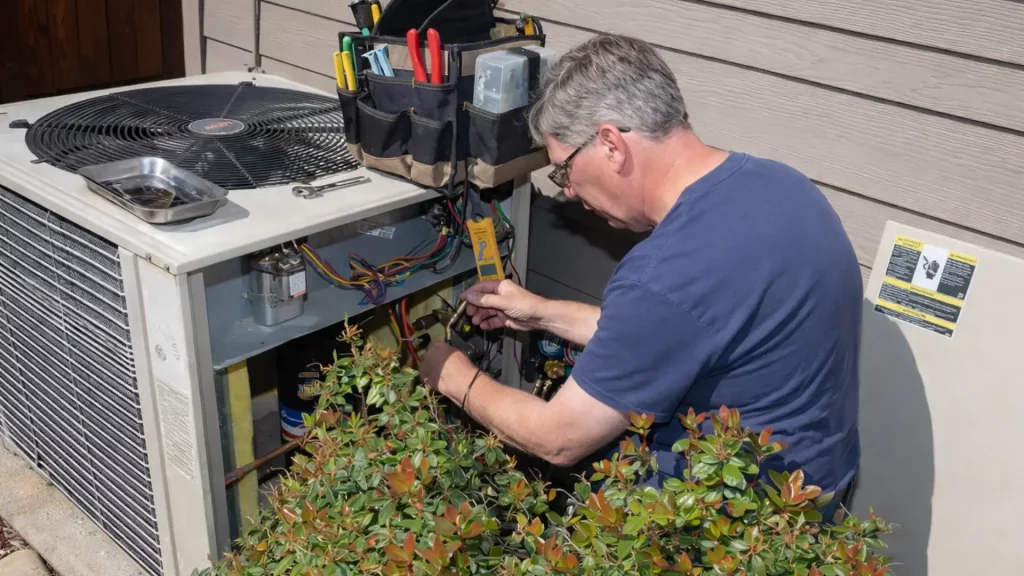
Scheduling an inspection shortly after moving in gives you a better understanding of your equipment’s condition. An experienced technician can check refrigerant levels, electrical components, condensate drains, airflow, and overall system performance. Catching minor issues early can prevent unexpected breakdowns during the hottest days of summer when your air conditioner is working the hardest.
Ignoring the Air Filter
Replacing the HVAC filter is one of the easiest and most affordable maintenance tasks you can perform, yet it’s often overlooked after moving into a new home. Since you don’t know when the previous owner last replaced the filter, installing a new one provides a clean starting point.
A dirty air filter restricts airflow, forces your HVAC system to work harder, and can reduce indoor air quality by allowing dust and other airborne particles to circulate throughout your home. As a general rule, check the filter every month and replace it every one to three months, depending on the filter type, household size, pets, and indoor air quality needs.
Blocking Airflow
Furniture, curtains, rugs, and decorative items often end up covering supply or return vents after moving in. Restricted airflow makes it harder for the system to distribute conditioned air evenly. Keep every supply and return vent open and unobstructed.
Neglecting the Outdoor Unit
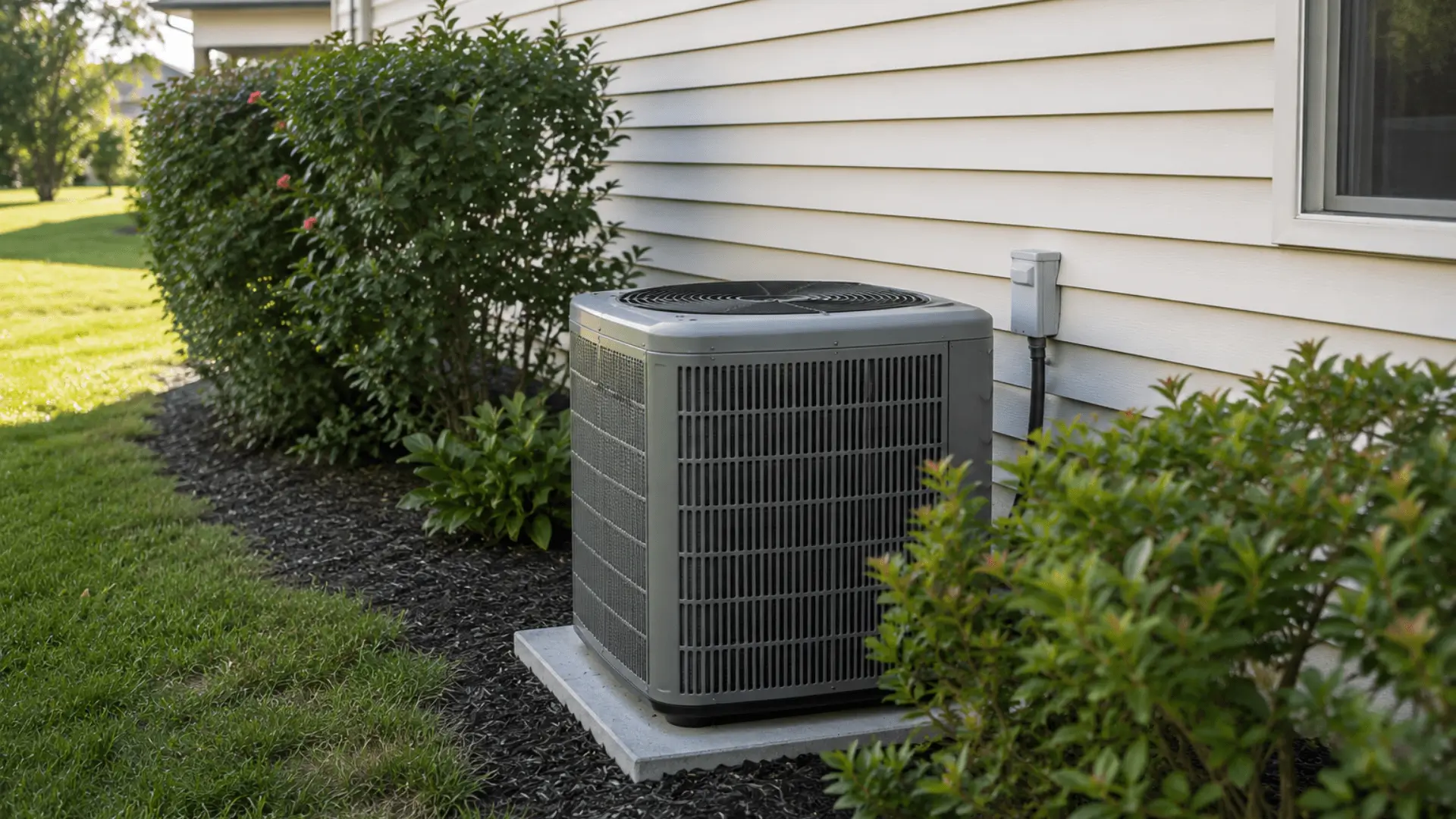
Your outdoor condenser needs room to breathe. Remove leaves, weeds, grass clippings, and storage items. Maintain at least two feet of open space around the unit so it can reject heat efficiently.
Not Learning the Age of Your Equipment
Locate the model and serial numbers, determine the installation date if possible, and ask about transferable warranties. Understanding the age of your equipment helps you budget for future repairs or replacement instead of being surprised by an unexpected failure.
Waiting Until Something Breaks
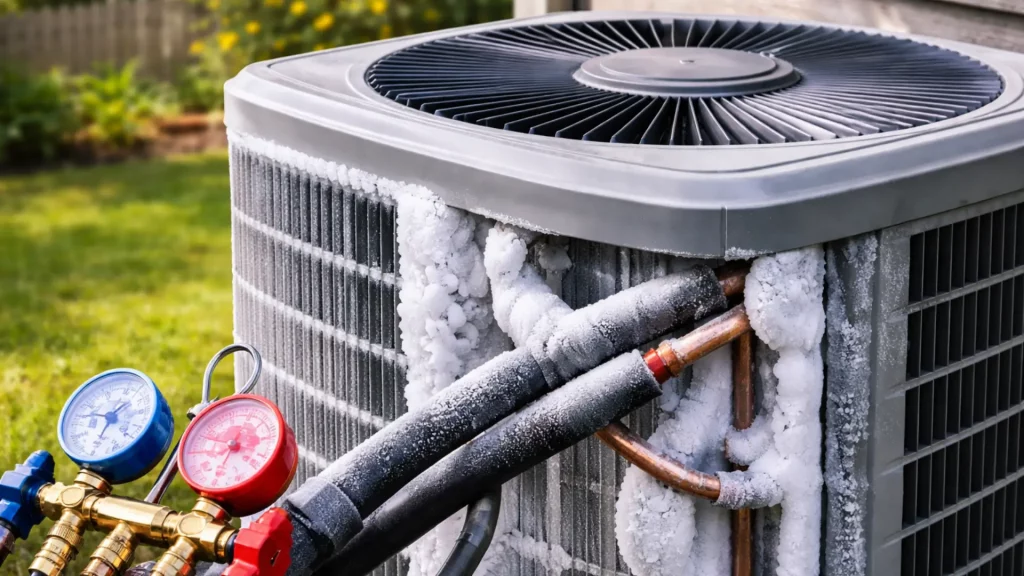
Don’t ignore warning signs such as unusual noises, weak airflow, uneven temperatures, ice on the outdoor unit, unpleasant odors, or rising utility bills. Addressing small issues early usually costs less than waiting for a complete breakdown.
New Homeowner HVAC Checklist
- Replace the air filter.
- Test heating and cooling modes.
- Learn thermostat settings.
- Check every supply and return vent.
- Clear debris around the outdoor unit.
- Schedule professional maintenance.
- Save equipment model numbers and warranty information.
Conclusion
Your HVAC system works behind the scenes every day to keep your home comfortable, so it’s easy to forget about it until something goes wrong. Taking a proactive approach during your first few weeks as a homeowner can help you avoid many of the problems that lead to expensive repairs and higher energy bills.
Simple steps like replacing the air filter, learning how to use your thermostat correctly, keeping vents and the outdoor unit clear, and scheduling professional maintenance can improve efficiency, extend the life of your equipment, and provide more consistent comfort throughout every season.
If you’ve recently moved into a home and want confidence that your heating and cooling system is operating as it should, the experienced team at The A/C Guys can help. From comprehensive inspections and preventive maintenance to expert repairs and complete HVAC installations, we’re committed to helping Las Vegas homeowners get the most from their comfort system.
Frequently Asked Questions
Is an HVAC inspection necessary after buying a home?
Yes. Even if the home inspection didn’t identify any major concerns, an HVAC inspection provides a more detailed evaluation of your heating and cooling system. A technician can check refrigerant levels, electrical components, airflow, safety controls, and overall system performance to help you avoid unexpected repairs.
What is the first HVAC maintenance task I should do after moving in?
Replacing the air filter should be one of your first priorities. Since you don’t know when the previous filter was installed, starting with a clean filter improves airflow, supports better indoor air quality, and helps your HVAC system operate more efficiently.
Does setting the thermostat lower cool the house faster?
No. Residential air conditioners cool at a consistent rate. Setting the thermostat to an extremely low temperature won’t speed up the cooling process. Instead, it simply causes the system to run longer than necessary, increasing energy use.
How often should I replace my HVAC air filter?
Most homeowners should check the filter once a month. Depending on the type of filter, household occupancy, pets, and indoor air quality, replacement is typically recommended every 1 to 3 months. Homes with pets or higher dust levels may require more frequent changes.
Should I close air vents in rooms I don’t use?
In most homes, no. Closing supply vents can disrupt the designed airflow of your HVAC system, increase pressure inside the ductwork, and reduce overall efficiency. Keeping vents open helps maintain balanced airflow throughout the home.
How much space should I keep around my outdoor AC unit?
Maintain at least 24 inches (2 feet) of clear space around the outdoor condenser. Remove leaves, weeds, grass, branches, and stored items that could block airflow and reduce system performance.