






Indoor odors usually point to an underlying issue inside the home. In many cases, the smell is not the real problem. It is a warning sign of trapped moisture, poor ventilation, dirty HVAC components, plumbing issues, or buildup in soft surfaces. Covering odors with sprays or candles may help for a short time, but the smell often returns because the source was never corrected.
A lasting solution starts with identifying where the odor is coming from and fixing the cause.
Identify the Type of Smell First
Different odors can reveal different problems. A musty smell often comes from moisture damage, mold growth, damp carpet padding, or stagnant air. Sewer-like odors may come from dry drain traps, damaged plumbing vents, or drain line leaks. A burning smell may point to dust on heating components, an overheating motor, or an electrical issue.
If the smell is strong, sudden, or unusual, it should be taken seriously. Some odors are early warnings of problems that can become expensive or unsafe if ignored.
Improve Airflow and Ventilation
Many homes hold odors because stale indoor air has nowhere to go. This is common in tightly sealed homes or homes that keep windows closed most of the year.
Start by improving airflow throughout the house:
- Open windows when outdoor conditions allow
- Run bathroom fans during and after showers
- Use the kitchen exhaust fan while cooking
- Keep interior doors open to improve circulation
- Replace dirty HVAC filters on schedule
Better ventilation helps remove odor particles instead of allowing them to settle into fabrics, walls, and ductwork.
Also Read: Do Better Air Filters Restrict Airflow?
Inspect the HVAC System
If odors become stronger when the heating or cooling system turns on, the HVAC system may be spreading the smell through the house.
Common HVAC-related odor sources include:
- Dirty evaporator coils
- Clogged condensate drain lines
- Mold inside the air handler
- Old or overloaded air filters
- Dust buildup in ducts
- Dead pests in attic or duct spaces
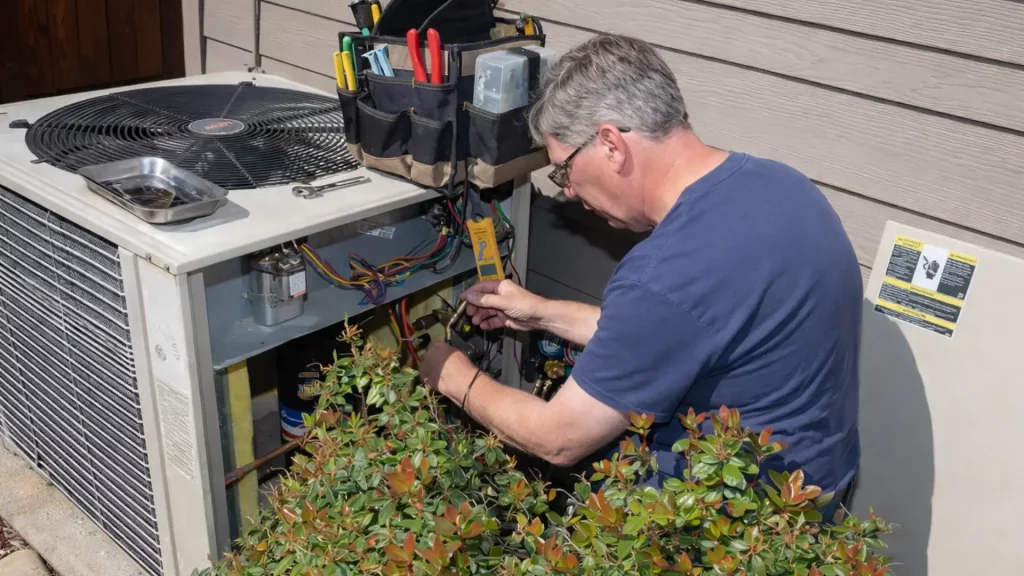
Routine maintenance is one of the most effective ways to prevent recurring indoor odor complaints. A technician can inspect components that homeowners normally cannot access safely.
Control Moisture Problems
Persistent bad smells often trace back to hidden moisture. Water leaks and high humidity create ideal conditions for mildew and bacterial growth.
Check common trouble spots such as under sinks, around toilets, near the water heater, laundry areas, basements, and crawl spaces. Even a slow leak behind a wall can create odor problems before visible damage appears.
Keep indoor humidity at a healthy range whenever possible. In damp homes, a dehumidifier can make a noticeable difference.
Deep Clean Surfaces That Hold Odors
Soft materials absorb odors over time. Even after the original source is removed, fabrics and porous surfaces can continue releasing smells into the room.
Focus cleaning efforts on:
- Carpets and rugs
- Upholstered furniture
- Curtains
- Mattresses
- Pet bedding
- Closets with limited airflow
Vacuum thoroughly, wash removable fabrics, and professionally clean carpets if odors remain.
Address Kitchen and Bathroom Sources
Some of the most common household smells start in kitchens and bathrooms because of moisture, drains, and residue buildup.
In kitchens, check the garbage disposal, sink drain, trash cans, dishwasher filter, and grease around cooking areas. In bathrooms, inspect drains, toilet seals, ventilation, and hidden moisture near tubs or showers.
These areas often improve quickly once buildup is removed and airflow is improved.
Avoid Masking the Problem
Air fresheners and scented products can hide odors temporarily, but they do not solve the cause. In some homes, heavy fragrance products make indoor air quality worse for people with allergies or respiratory sensitivity.
It is better to remove the source than cover it.
Useful odor-control options after repairs or cleaning include:
- Activated charcoal absorbers
- HEPA air purifiers with carbon filtration
- Baking soda for carpets before vacuuming
- Fresh air ventilation
- Routine cleaning and filter changes
When to Call a Professional
Some odor problems need expert diagnosis. If the smell keeps returning after cleaning, there may be a hidden issue behind walls, inside ductwork, under flooring, or in the plumbing system.
Schedule a professional inspection if:
- Odors return repeatedly
- Smells worsen when HVAC runs
- You notice water stains or damp areas
- Sewer odors are present
- Burning smells occur
- Allergy symptoms increase indoors
A trained technician can identify causes that are easy to miss during a basic walkthrough.
Final Thoughts
Indoor odors are usually symptoms of a larger issue, not random household inconvenience. Homes that smell fresh are typically homes with proper airflow, controlled humidity, clean HVAC systems, and routine maintenance. If bad smells keep coming back, focus on solving the source. That is what creates lasting results.