



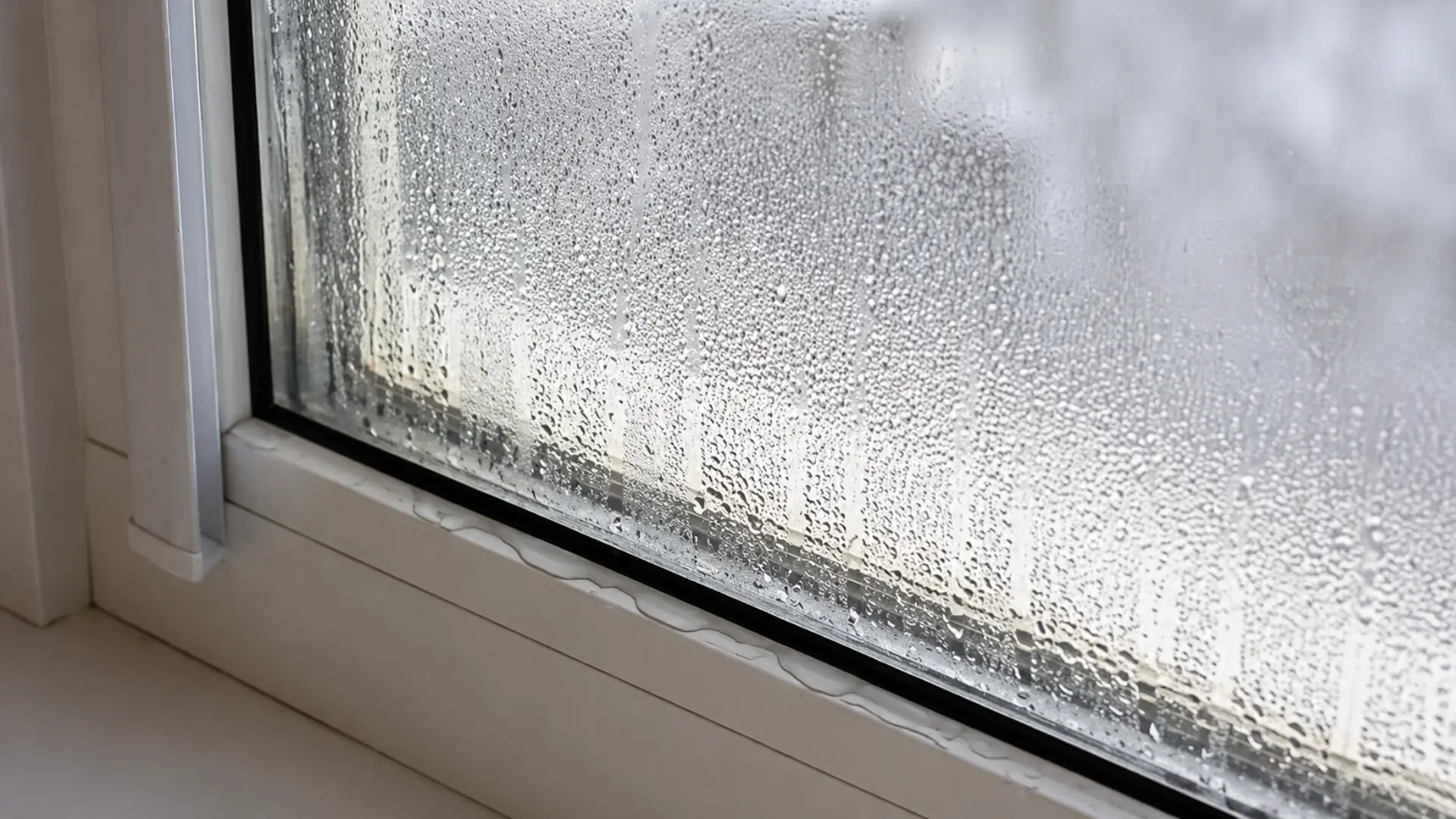


Leaky windows can have a major impact on how efficiently your home is heated. Small gaps around frames, damaged seals, and worn weatherstripping allow warm indoor air to escape while pulling cold air inside. This forces your heating system to run longer and more often, increasing utility bills and reducing indoor comfort. If your home feels chilly near windows during winter, drafts may be part of the problem.
Many homeowners focus on furnaces and thermostats when heating costs rise, but windows are often an overlooked source of energy loss. Addressing leaks can improve comfort, lower heating expenses, and reduce strain on your HVAC system. If you already have heating concerns, routine heating maintenance can also help your system run more efficiently.
How Leaky Windows Cause Heat Loss
Windows naturally transfer more heat than insulated walls, but leaks make the issue worse. When air escapes through cracks or gaps, your home loses conditioned heat that has already been paid for.
Common leak areas include:
- Around window frames
- Between the sash and frame
- Cracked caulking or sealant
- Worn weatherstripping
- Poorly installed older windows
Even small openings can create noticeable drafts during colder months.
Signs Your Windows Are Affecting Heating Efficiency
Some homeowners live with window leaks for years without realizing the impact. Watch for these warning signs:
- Cold air near closed windows
- Rooms that feel colder than others
- Rising winter heating bills
- Furnace cycling more frequently
- Condensation between panes
- Difficulty maintaining thermostat settings
If these problems are present, window leaks may be contributing to uneven heating.
Higher Heating Bills and More HVAC Wear
When warm air escapes, your heating system has to replace that lost heat repeatedly. Over time, this can increase monthly utility costs and place added wear on components such as blowers, burners, and thermostats.
A furnace that runs longer than necessary may also need repairs sooner. Fixing air leaks can reduce unnecessary runtime and help extend equipment life.
Ways to Fix Leaky Windows
The right solution depends on the age and condition of the windows.
1. Quick Repairs
For minor leaks, homeowners often start with:
- Replacing weatherstripping
- Applying caulk around frames
- Installing draft stoppers
- Using insulated curtains
These options can help reduce drafts and improve comfort.
2. Long-Term Upgrades
If windows are old, damaged, or inefficient, replacement may be the better investment. Modern windows often include:
- Double-pane or triple-pane glass
- Low-E coatings
- Improved frame materials
- Better sealing technology
These features reduce heat transfer and improve overall energy efficiency.
Are Window Replacements Worth It?
In many homes, yes. While replacement costs more upfront than sealing leaks, efficient windows can lower heating and cooling costs over time. They may also improve indoor comfort, reduce outside noise, and increase property value.
For homes with severe drafts or failing window seals, replacement is often the most practical solution.
How to Test for Leaky Windows
You can perform a basic draft check at home:
- Close and lock the window.
- Hold your hand near edges and corners.
- Feel for moving air.
- Check for visible cracks in caulking.
- Look for moisture or fog between panes.
If leaks are obvious, repairs should be scheduled before colder weather arrives.
Final Thoughts
Yes, leaky windows absolutely affect how your home is heated. They allow warm air to escape, increase heating bills, create drafts, and force your HVAC system to work harder. Small leaks can often be sealed, while older windows may benefit from full replacement.
If your home struggles to stay warm in winter, your windows may be costing more than you think.