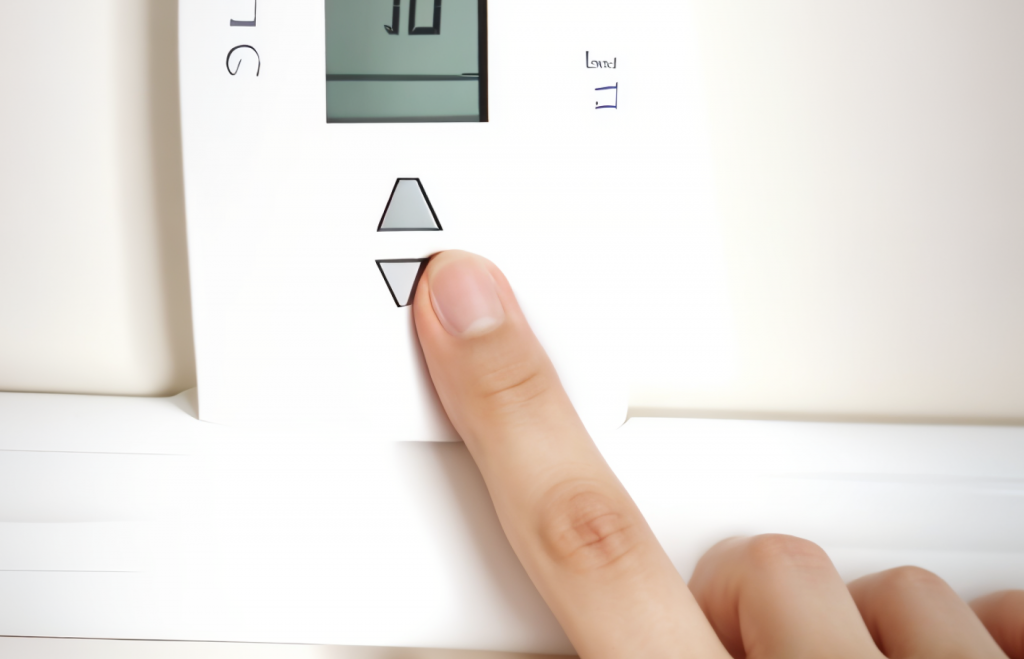




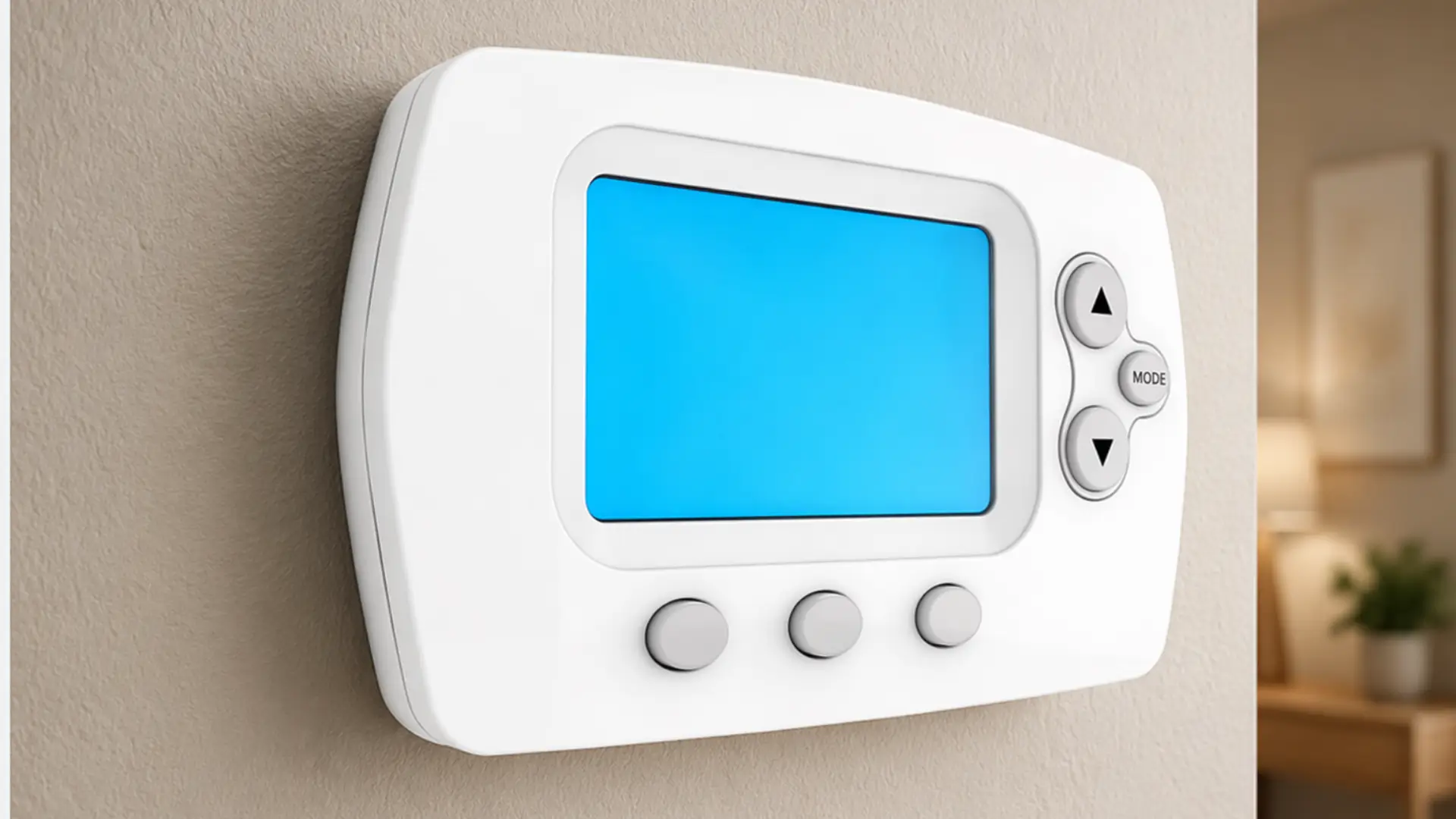


A blank thermostat display can be frustrating, especially when your heating or cooling system stops responding without warning. For many homeowners, the immediate assumption is that the thermostat has failed. In reality, that is only one of several possible causes.
In most cases, a thermostat screen goes blank because it has lost power from the HVAC system, batteries have drained, or a safety device has interrupted the circuit.
Understanding the reason behind the issue can help you decide whether it is a quick fix or something that requires professional attention.
Why Is My Thermostat Blank?
Thermostats typically receive power in one of two ways:
- Internal batteries
- 24-volt power supplied by the furnace or air handler
Some models use both. If either power source is interrupted, the display may turn off completely.
A blank screen does not always mean the thermostat itself needs replacement.
Common Reasons a Thermostat Screen Goes Blank
1. Dead or Weak Batteries:
If your thermostat uses batteries, low battery power is one of the most common reasons the display stops working.
What to Do
- Remove the thermostat cover
- Replace the batteries with new matching ones
- Confirm they are inserted correctly
- Reattach the cover securely
If the screen returns, the issue was likely battery related.
2. Power Loss to the Furnace or Air Handler:
Many thermostats depend on power coming from the indoor HVAC unit. If the furnace or air handler loses power, the thermostat may go blank.
Check the Following
- Electrical breaker panel
- HVAC disconnect switch
- Service switch near the furnace
If a breaker trips again after resetting, professional diagnosis is recommended.
3. Furnace Access Panel Not Fully Closed:
This is common after changing the air filter.
Many furnaces have a door safety switch that must be engaged for the system to operate. If the access panel is not seated correctly, the thermostat may lose power.
Quick Check: Remove and reinstall the panel firmly, ensuring it fits properly.
4. Blown Low-Voltage Fuse:
The furnace control board often includes a small fuse that protects thermostat wiring. If wires short or become damaged, the fuse may blow and cut power to the thermostat.
This usually requires inspection by an HVAC technician.
5. Condensate Drain Safety Switch Activated
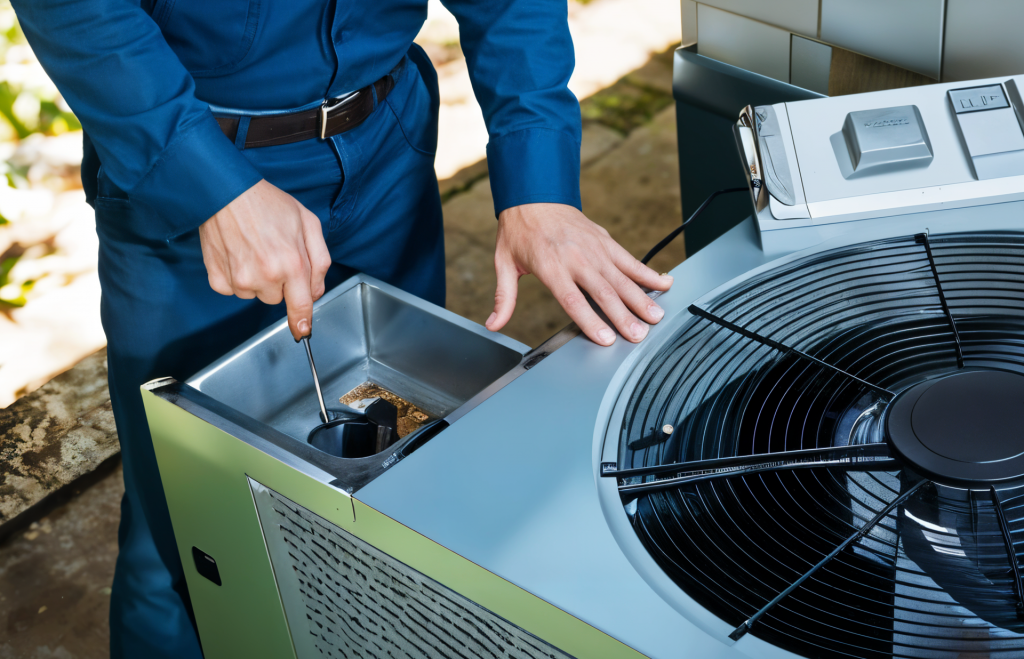
Air conditioning systems produce condensation. If the drain line becomes blocked, a float switch may shut the system down to prevent water damage.
Signs to Watch For
- Water near the indoor unit
- AC stopped unexpectedly
- Blank thermostat during cooling season
6. Loose or Damaged Wiring
Thermostat wiring can become loose, corroded, or damaged over time. Renovation work, vibration, and pests are common causes.
7. Thermostat Failure
Although less common than power-related issues, thermostats can fail due to age or internal component faults.
If power to the unit is confirmed and the display remains blank, replacement may be needed.
What You Can Check Before Calling for Service
- Replace the Batteries: Always start here if your thermostat uses them.
- Inspect the Breaker Panel: Reset a tripped breaker once only.
- Confirm the Furnace Power Switch Is On: This switch is often located near the indoor unit.
- Check the Furnace Panel: Make sure the door is fully closed and secure.
- Look for Water Around the System: Standing water may indicate a blocked drain line.
When to Contact an HVAC Professional
You should arrange service if:
- The thermostat remains blank after battery replacement
- Breakers continue to trip
- Water is leaking near the unit
- Heating or cooling does not start
- You notice burning smells or unusual noises
- You suspect damaged wiring
A technician can test the control voltage, fuse, transformer, safety switches, and thermostat accurately.
Typical Repair Costs
Costs vary by system type and location, but common repairs may include:
| Repair Type | Expected Cost Range |
|---|---|
| Battery replacement | Low |
| Drain line cleaning | Moderate |
| Fuse replacement | Moderate |
| Thermostat replacement | Moderate to High |
| Transformer repair | Moderate to High |
How to Prevent Future Issues
To reduce the chance of a blank thermostat display:
- Replace thermostat batteries yearly if required
- Change HVAC filters regularly
- Keep the furnace panel secure after maintenance
- Schedule annual HVAC servicing
- Keep condensate drains clean and clear
Final Thoughts
A blank thermostat display is often a symptom of lost power rather than a failed thermostat. Simple checks such as replacing batteries, confirming furnace power, and securing the access panel may solve the issue quickly.
If those steps do not restore the display, professional diagnosis is the best next step. Correctly identifying the cause saves time, prevents unnecessary part replacements, and restores comfort faster.
Frequently Asked Questions
1. Why did my thermostat suddenly go blank?
A thermostat usually goes blank because of dead batteries, loss of power to the furnace or air handler, a blown low-voltage fuse, or a triggered safety switch. In many cases, the thermostat itself is not the actual problem.
2. Can dead batteries cause a blank thermostat screen?
Yes. Many thermostats use batteries for display power or backup operation. When batteries are weak or fully drained, the screen may turn blank.
3. Why is my thermostat blank after changing the air filter?
This often happens when the furnace access panel is not reinstalled correctly. Many systems have a safety switch behind the panel that must be fully engaged for the thermostat to receive power.
4. Should I replace the thermostat if the screen is blank?
Not right away. A blank thermostat is commonly caused by power loss, wiring issues, or a blown fuse. It is best to rule those out before replacing the thermostat.
5. Can I fix a blank thermostat myself?
You can safely check batteries, breakers, the furnace power switch, and whether the access panel is properly closed. If the display stays blank, professional diagnosis is recommended.
6. When should I call an HVAC technician for a blank thermostat?
Call a technician if the thermostat remains blank after basic checks, breakers keep tripping, water is leaking near the unit, or your heating and cooling system will not start.