


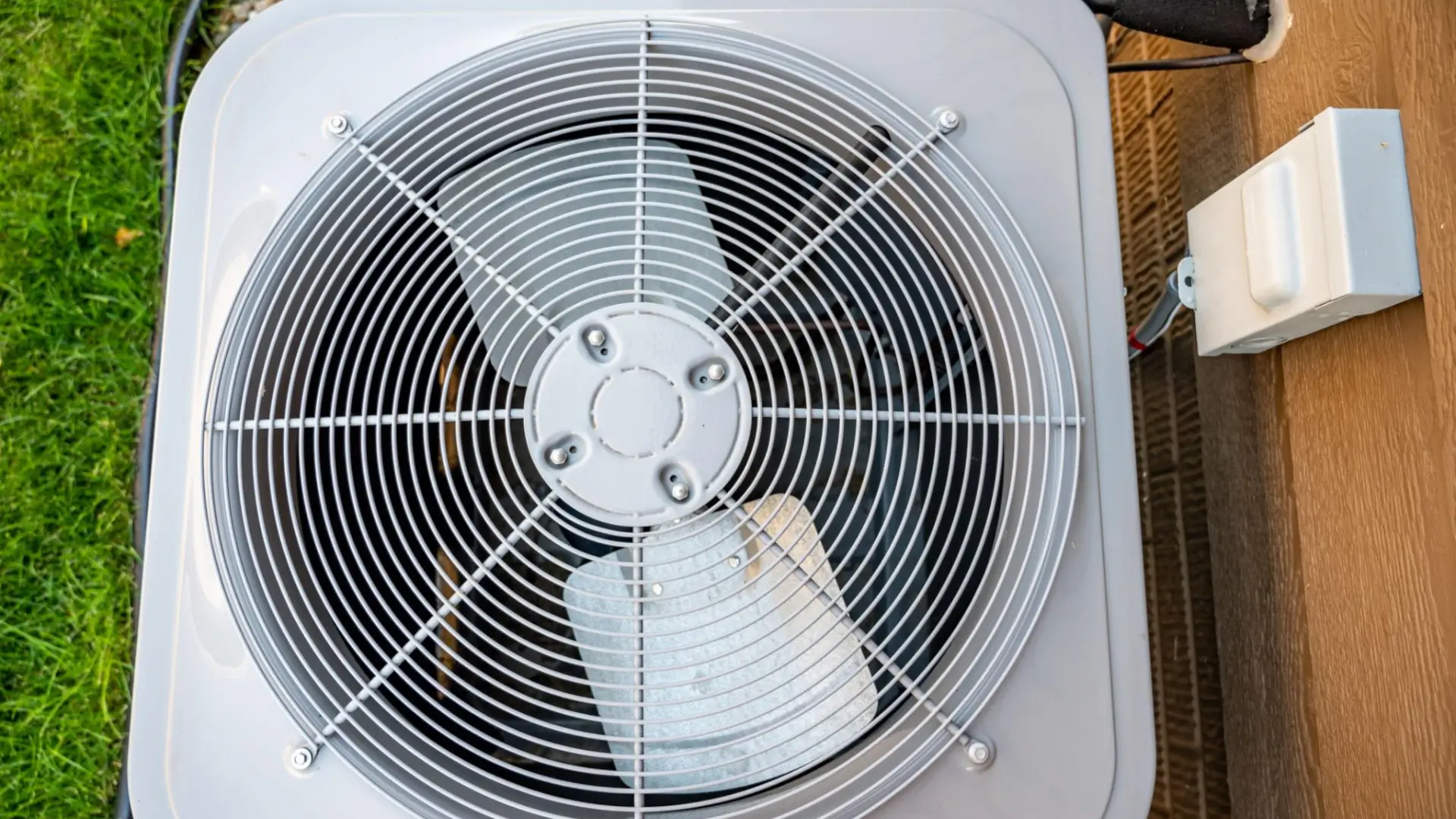


Your air conditioner depends on several components working together to keep your home comfortable. One of the most important parts is the outdoor fan. When the AC fan stops spinning, the system cannot release heat properly, which can quickly affect cooling performance and place stress on the entire unit.
Many homeowners first notice this issue when warm air starts coming from the vents or the outdoor unit makes unusual noises. In some cases, the fan may attempt to spin but stop after a few seconds. Ignoring these warning signs can lead to higher energy bills, system overheating, and expensive repairs.
This guide explains the most common reasons an AC fan stops spinning, what you can check on your own, and when it is time to contact an HVAC professional.
What Does It Mean When Your AC Fan Is Not Spinning?
The outdoor AC fan is responsible for moving heat away from your home. It works alongside the compressor to help the air conditioning system complete the cooling cycle.
When the fan is not spinning, heat becomes trapped inside the outdoor unit. As a result, the system struggles to cool your home efficiently. In some situations, the AC may continue running temporarily, but this can increase wear on major components.
A non spinning fan may happen suddenly or develop gradually over time due to electrical problems, worn parts, or lack of maintenance.
Common Signs of an AC Fan Problem
Before the fan stops completely, your system may show several warning signs.
Watch for these common symptoms:
- Warm air coming from indoor vents
- Outdoor unit making humming or buzzing sounds
- AC system shutting off unexpectedly
- Weak airflow inside the home
- Fan blades moving slowly or inconsistently
- Higher than normal electricity bills
- Outdoor unit overheating
If you notice any of these signs, it is best to address the issue early before it affects the compressor or other major components.
Top Reasons Why Your AC Fan Is Not Spinning
Several issues can prevent an AC fan from operating properly. Some are minor electrical problems, while others may require professional repair or replacement.
1. Faulty Capacitor
The capacitor helps provide the electrical boost needed to start and run the fan motor. Over time, capacitors wear out due to heat exposure and regular system use.
A failed capacitor is one of the most common reasons an AC fan will not spin.
Signs of a bad capacitor:
- Humming sound from the outdoor unit
- Fan blades not moving
- Fan starts only when pushed manually
- AC turns on but does not cool properly
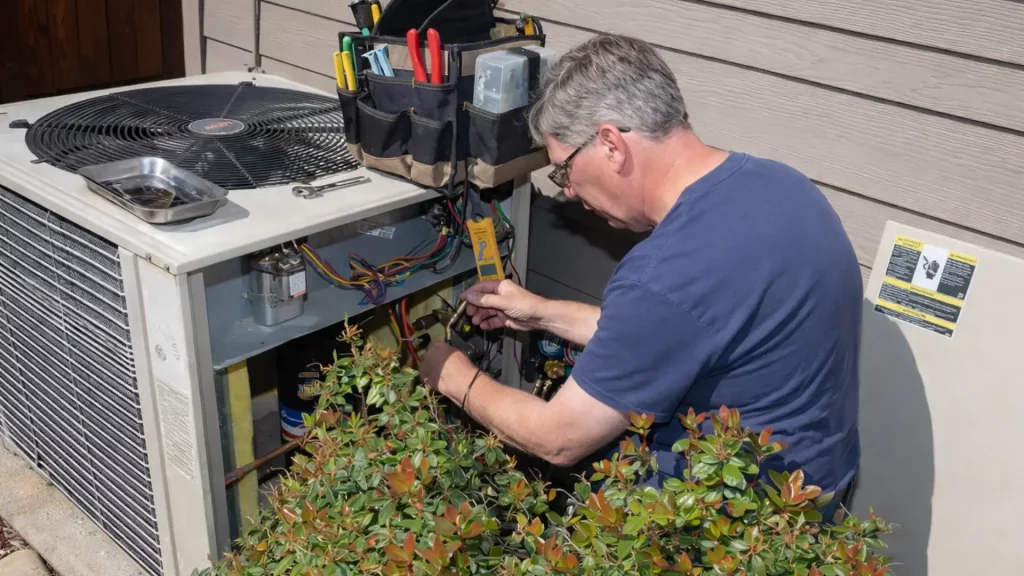
Capacitors should always be inspected and replaced by a qualified technician because they store electrical energy even after the power is disconnected.
2. Burnt Fan Motor
The fan motor powers the blades inside the outdoor unit. Continuous operation, overheating, and age can eventually cause the motor to fail.
When the motor burns out, the fan may stop spinning entirely or operate intermittently.
Common causes of motor failure:
- Lack of lubrication
- Dirt buildup
- Electrical overheating
- Aging components
- Poor airflow around the unit
Motor replacement is usually more expensive than replacing a capacitor, but early diagnosis can help prevent additional damage.
3. Electrical or Wiring Issues
Loose connections, damaged wires, or tripped breakers can interrupt power to the fan motor.
Electrical issues are especially common after storms, power surges, or long periods of heavy AC usage during summer.
Possible electrical problems include:
| Electrical Issue | Possible Effect |
|---|---|
| Tripped circuit breaker | Outdoor fan stops working |
| Loose wiring | Intermittent fan operation |
| Burnt contactor | Unit receives inconsistent power |
| Voltage issues | System overheating |
Because HVAC systems involve high voltage components, electrical repairs should only be handled by trained professionals.
4. Dirty or Blocked Outdoor Unit
The outdoor condenser unit is constantly exposed to dust, dirt, leaves, and debris. When airflow becomes restricted, the fan has to work harder to remove heat from the system.
Excessive buildup can eventually cause overheating and fan failure.
Common airflow restrictions:
- Dirty condenser coils
- Grass clippings around the unit
- Leaves trapped inside the cabinet
- Blocked ventilation space
Keeping the outdoor unit clean and maintaining proper clearance around it can improve airflow and reduce stress on the fan motor.
5. Thermostat Problems
Sometimes the issue is not with the fan itself. Incorrect thermostat settings or a malfunctioning thermostat can prevent the cooling cycle from starting properly.
Check the following before assuming there is a mechanical failure:
- Thermostat set to cooling mode
- Temperature set lower than room temperature
- Dead thermostat batteries
- Programming errors
- Loose thermostat wiring
If the thermostat is functioning properly but the fan still does not operate, further inspection may be necessary.
Is It Safe to Run Your AC When the Fan Is Not Working?
Running your AC while the fan is not spinning is not recommended.
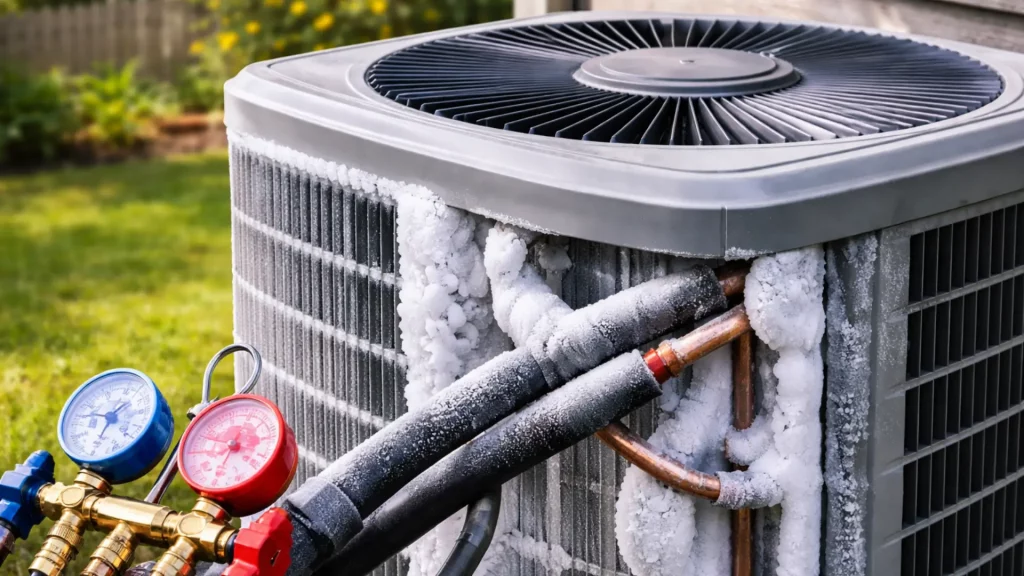
Without proper airflow, heat becomes trapped inside the outdoor unit. This can cause the compressor to overheat, which is one of the most expensive AC repairs homeowners face.
Turning the system off immediately can help prevent further damage until a technician diagnoses the problem.
Quick Troubleshooting Tips Before Calling a Technician
There are a few basic checks homeowners can safely perform before scheduling service.
Simple troubleshooting steps:
- Turn off the AC system at the thermostat.
- Check the circuit breaker for a tripped switch.
- Inspect the outdoor unit for visible debris.
- Make sure the thermostat is set correctly.
- Listen for unusual sounds from the outdoor unit.
Do not attempt to open electrical panels or manually repair internal components. HVAC systems contain high voltage parts that can be dangerous without proper training.
How Regular AC Maintenance Prevents Fan Problems
Routine maintenance is one of the best ways to avoid unexpected AC fan failures.
Professional tune ups help technicians identify worn components before they stop working completely. Maintenance also improves system efficiency and extends equipment lifespan.
Benefits of regular AC maintenance:
- Cleaner condenser coils
- Better airflow
- Reduced strain on the fan motor
- Early detection of electrical issues
- Improved cooling performance
- Lower energy costs
Most HVAC professionals recommend scheduling maintenance at least once or twice per year, especially before peak summer temperatures arrive.
Repair vs Replacement: What Is the Better Option?
The right solution depends on the age of the system, repair costs, and overall condition of the unit.
| Situation | Recommended Solution |
|---|---|
| Failed capacitor | Repair |
| Minor wiring issue | Repair |
| Dirty condenser unit | Cleaning and maintenance |
| Old damaged fan motor | Possible replacement |
| Frequent breakdowns | Consider system replacement |
| AC system over 12 to 15 years old | Replacement may be more cost effective |
An experienced HVAC technician can help determine whether repairing or replacing the unit makes the most financial sense.
Also Read: When to Repair or Replace Your Air Conditioning System
Final Thoughts
An AC fan that is not spinning should never be ignored. What may begin as a small capacitor issue or airflow problem can quickly lead to compressor damage and costly repairs if left unresolved.
Understanding the warning signs and common causes can help homeowners respond quickly and protect their cooling system from further damage. Regular maintenance, timely inspections, and professional repairs all play an important role in keeping your AC operating efficiently during hot weather.
If your AC fan has stopped spinning, shutting the system off and scheduling a professional inspection is the safest next step.
Frequently Asked Questions
1. Why is my AC running but the fan is not spinning?
This usually happens because of a failed capacitor, damaged motor, electrical issue, or blocked outdoor unit.
2. Can a bad capacitor stop the AC fan from working?
Yes. The capacitor helps start the fan motor. If it fails, the fan may stop spinning completely.
3. How much does it cost to repair an AC fan motor?
Repair costs vary depending on the system type, labor charges, and whether the motor needs replacement. A professional inspection is required for an accurate estimate.
4. Should I turn off my AC if the fan stops spinning?
Yes. Running the AC without a working fan can overheat the compressor and cause additional damage.
5. How often should AC maintenance be done?
Most HVAC systems should be professionally serviced once or twice each year to maintain performance and reduce repair risks.