


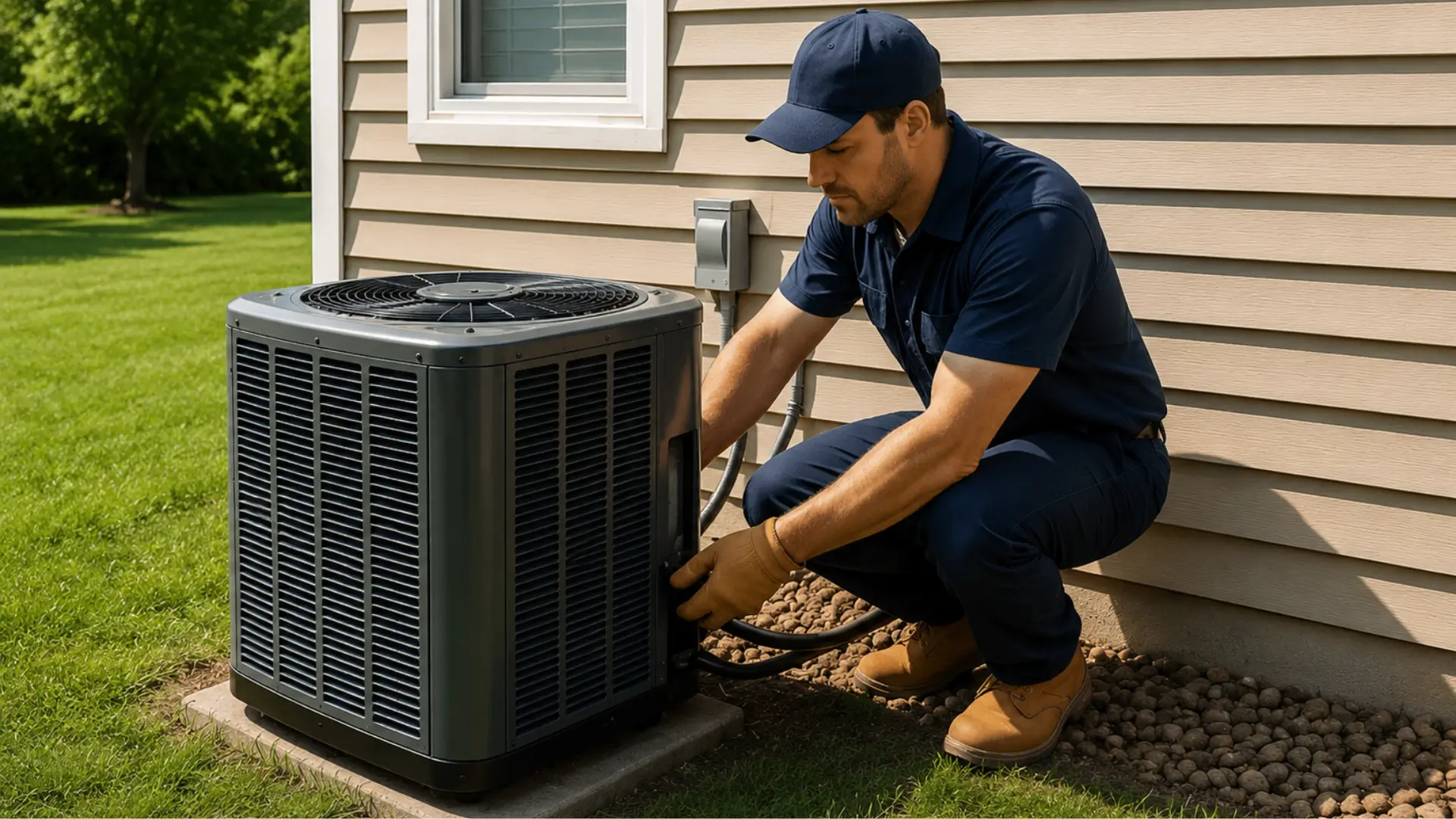


Installing a new air conditioning system is one of the biggest comfort investments homeowners make. Most people spend weeks comparing AC brands, efficiency ratings, and prices, but many overlook the factor that affects performance the most: installation quality.
Even an expensive, high-efficiency air conditioner can struggle if it is installed incorrectly. Poor installation affects airflow, cooling consistency, energy use, humidity control, and long-term system reliability. In many cases, recurring AC problems are not caused by faulty equipment. They are caused by shortcuts taken during installation.
A properly installed air conditioning system helps maintain stable indoor temperatures, reduces operating costs, and minimizes unnecessary repairs. More importantly, it ensures the equipment performs the way it was designed to perform.
What Happens During an Air Conditioning Installation?
Many homeowners assume AC installation is simply about replacing the indoor and outdoor units. In reality, proper installation involves far more than connecting equipment and turning the system on.
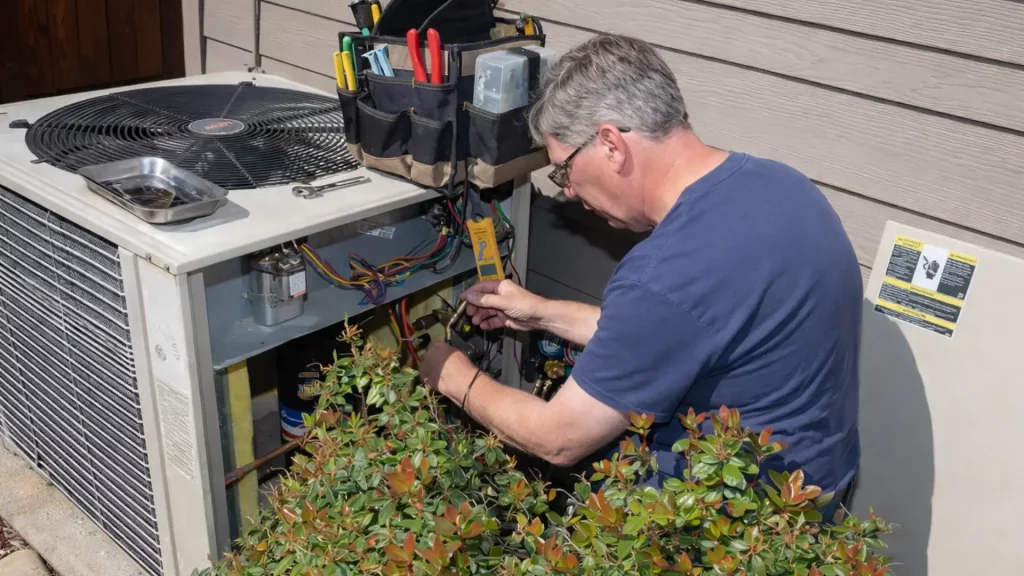
A professional installation typically includes:
- Load calculations
- Ductwork inspection
- Refrigerant charging
- Electrical setup
- Airflow testing
- Drainage configuration
- Thermostat calibration
- System performance verification
Each part of the process directly affects system efficiency and comfort. If even one area is handled incorrectly, the entire system can underperform.
Why Installation Quality Matters From Day One
Poor installation problems often begin immediately, even if homeowners do not notice them right away. Some issues develop slowly over time, including:
- Rising utility bills
- Weak airflow
- Uneven cooling
- Frequent breakdowns
- Excess indoor humidity
- Compressor strain
A correctly installed system operates more smoothly, experiences less wear, and delivers more consistent cooling throughout the home.
Why Correct AC Sizing Is Critical
One of the most common installation mistakes is choosing the wrong system size.
Many homeowners believe larger air conditioners cool homes faster and better. That assumption is incorrect. Oversized systems often create serious comfort and efficiency problems.
1. Problems Caused by Oversized Air Conditioners
An oversized air conditioner cools the home too quickly and shuts off before completing a full cooling cycle. This process is known as short cycling.
Short cycling can lead to:
- Higher energy consumption
- Increased equipment wear
- Poor humidity control
- Uneven temperatures
- More frequent repairs
Because the system shuts off too quickly, it does not remove enough moisture from the indoor air. Homeowners may notice the home feels cool but still humid and uncomfortable.
2. Problems Caused by Undersized Systems
An undersized air conditioner struggles to keep up during hot weather. Instead of cycling normally, the system runs continuously while still failing to maintain the desired temperature.
This causes:
- Constant system strain
- Increased electricity usage
- Reduced equipment lifespan
- Poor indoor comfort
What Is a Load Calculation and Why Does It Matter?
Professional HVAC contractors use load calculations to determine the correct system size for a home. This process evaluates several important factors, including:
- Square footage
- Insulation levels
- Ceiling height
- Window placement
- Sun exposure
- Occupancy levels
- Local climate conditions
Skipping this step often leads to incorrect system sizing and long-term performance issues.
How Poor Installation Increases Energy Bills
Many homeowners buy high-efficiency systems expecting lower energy costs. Unfortunately, installation mistakes can significantly reduce system efficiency.
Even a modern air conditioner can waste energy if it is not installed properly.
1. Incorrect Refrigerant Charge
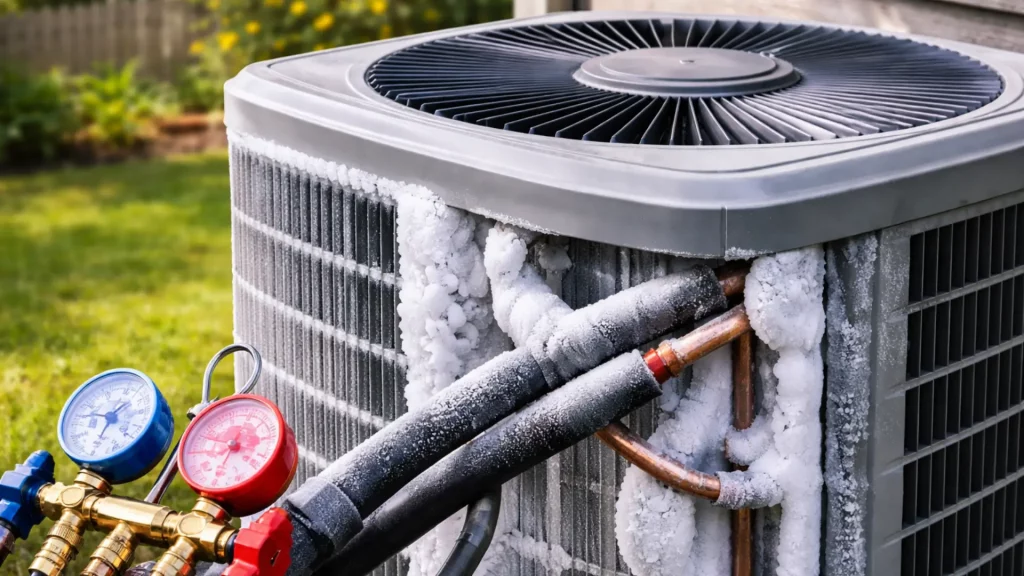
Air conditioners require precise refrigerant levels to operate correctly. Too much or too little refrigerant reduces efficiency and places additional strain on the compressor.
Improper refrigerant charging can cause:
- Reduced cooling performance
- Frozen evaporator coils
- Compressor damage
- Higher utility bills
- Poor Airflow and Duct Restrictions
Airflow problems are common in poorly installed HVAC systems. Restricted airflow forces the system to work harder to distribute conditioned air throughout the home.
Common causes include:
- Undersized ducts
- Crushed duct sections
- Blocked vents
- Poor return airflow
- Dirty ductwork
Poor airflow not only reduces efficiency but also affects indoor comfort.
2. Leaky Duct Connections
Leaking ducts allow conditioned air to escape before it reaches living spaces. In some homes, significant amounts of cooled air are lost through attic or crawl space duct leaks.
This forces the system to run longer and increases monthly energy costs.
3. Thermostat Placement Mistakes
Thermostat placement directly affects system operation. If a thermostat is installed near windows, kitchens, or direct sunlight, it may produce inaccurate temperature readings.
This can cause:
- Uneven cooling cycles
- Excessive runtime
- Inconsistent indoor temperatures
The Connection Between Installation Quality and System Lifespan
Air conditioners are designed to last many years, but installation errors can shorten their lifespan considerably.
Many premature system failures are linked to improper installation rather than defective equipment.
How Installation Errors Damage Equipment
Improper installation creates ongoing stress on system components. Over time, this strain damages critical parts such as:
- Compressors
- Fan motors
- Capacitors
- Evaporator coils
- Circuit boards
For example, airflow restrictions force the blower motor to work harder, while incorrect refrigerant levels increase compressor stress.
Why Short Cycling Reduces Equipment Life
Frequent starting and stopping places excessive wear on electrical and mechanical components. Systems that short cycle experience more strain than systems running normal cooling cycles.
Over time, this leads to:
- Increased repair frequency
- Reduced efficiency
- Earlier system replacement
Comfort Problems Often Start With Improper Installation
Homeowners expect improved comfort after installing a new AC system. However, installation issues can create ongoing indoor comfort problems.
1. Hot and Cold Spots Throughout the House
Improper airflow balancing can cause certain rooms to cool properly while others remain warm. This often happens because of:
- Poor duct design
- Incorrect vent sizing
- Airflow imbalances
- Blocked return vents
2. Weak Airflow Issues
Weak airflow is one of the most common signs of installation problems. Homeowners may notice rooms cooling slowly or vents producing minimal airflow. Poor airflow reduces comfort and forces the system to operate longer.
3. Humidity and Indoor Comfort Problems
Air conditioners help remove humidity from indoor air. Improper sizing and short cycling reduce moisture removal, leaving the home feeling damp or uncomfortable. This issue becomes especially noticeable during humid weather conditions.
Drainage, Moisture, and Indoor Air Quality Risks
Air conditioning systems remove moisture from indoor air as part of the cooling process. Improper drainage setup can create serious problems inside the home.
Condensate Drain Line Problems
Poorly installed drain lines may cause:
- Water leaks
- Ceiling stains
- Structural damage
- Overflow issues
Mold and Moisture Concerns
Moisture buildup around HVAC systems creates ideal conditions for mold growth. Over time, this can affect indoor air quality and create health concerns for occupants.
Indoor Air Quality Issues Linked to Poor Installation
Poor installation may also contribute to:
- Dust circulation
- Humidity imbalance
- Poor ventilation
- Air contamination from duct leaks
Proper installation helps maintain healthier indoor air conditions.
How to Choose the Right HVAC Contractor
The quality of the contractor often matters more than the equipment brand itself.
A skilled HVAC company should evaluate the entire cooling system instead of focusing only on replacing equipment.
Questions Homeowners Should Ask Before Hiring
Before hiring a contractor, ask:
- Will you perform a load calculation?
- Will you inspect the ductwork?
- Do you test airflow after installation?
- Are permits included?
- What warranty coverage is provided?
Red Flags to Avoid
Be cautious of contractors who:
- Offer unusually low prices
- Avoid detailed inspections
- Push oversized systems
- Provide vague estimates
- Rush installation timelines
Why the Cheapest Quote Is Not Always the Best Option
Low-cost installations often involve shortcuts that create expensive long-term problems. A poor installation can increase repair costs and reduce equipment lifespan significantly.
Warning Signs Your Air Conditioner Was Installed Incorrectly
Some installation problems appear immediately, while others develop gradually over time.
Common warning signs include:
- Uneven cooling
- High energy bills
- Frequent cycling
- Loud operation
- Weak airflow
- Water leaks
- Excess indoor humidity
- Electrical issues
If these symptoms appear after installation, the system should be inspected by a qualified HVAC professional.
Final Thoughts
Proper air conditioning installation affects far more than indoor temperature. It influences energy efficiency, comfort, system reliability, indoor air quality, and long-term operating costs.
A properly installed system performs more efficiently, lasts longer, and experiences fewer breakdowns over time.
Before investing in a new air conditioner, homeowners should focus not only on the equipment itself but also on the experience and installation standards of the HVAC contractor handling the project. Even the best HVAC system can underperform if the installation is rushed or done incorrectly.
Taking the time to choose qualified professionals and prioritize proper installation practices can help homeowners avoid years of unnecessary repairs, discomfort, and wasted energy costs.