



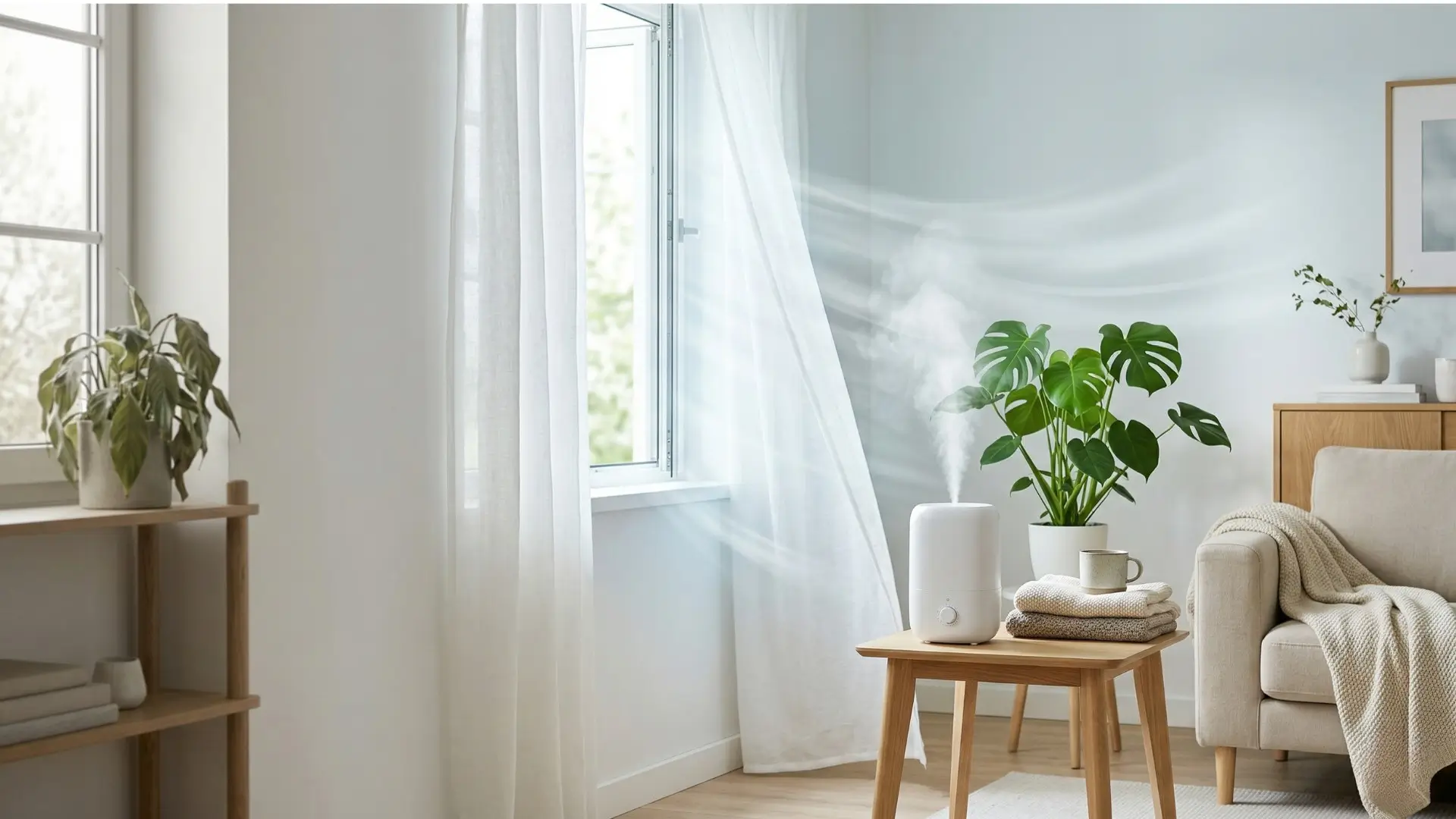


Indoor air quality is not something most people think about until it starts affecting comfort, health, or energy bills. Dry air in winter, stale air in tightly sealed homes, lingering odors, or persistent allergies are all signs that your indoor environment needs attention. This is where humidifiers and ventilation systems come in. When installed and used correctly, they do more than just improve comfort. They create a healthier, more efficient living space.
This article breaks down the real, practical benefits of installing both systems, without fluff or exaggerated claims.
Why Indoor Air Quality Matters
Modern homes are built to be airtight. While that improves energy efficiency, it also traps pollutants, moisture imbalances, and stale air inside. Over time, this can lead to:
- Respiratory discomfort
- Mold growth
- Higher energy costs
- Reduced HVAC efficiency
Humidifiers and ventilation systems solve different parts of this problem. Together, they create balance.
Benefits of Installing a Humidifier
A humidifier adds moisture to dry indoor air, especially during colder months or in air conditioned environments.
1. Improved Respiratory Health:
Dry air irritates the nose, throat, and lungs. If you wake up with a dry throat or frequent coughing, low humidity is often the cause. A humidifier helps by:
- Keeping airways moist
- Reducing irritation and inflammation
- Making breathing easier, especially for people with asthma or allergies
This is not a luxury. It is a basic health improvement.
2. Better Sleep Quality:
Dry air can disrupt sleep more than most people realize. It causes:
- Dry throat
- Nasal congestion
- Snoring
Balanced humidity reduces these issues and helps you sleep more comfortably throughout the night.
3. Protection for Skin and Furniture:
Low humidity pulls moisture from everything, not just your body. Effects of dry air include:
- Cracked skin and lips
- Static electricity
- Damage to wooden furniture and flooring
A humidifier maintains a stable moisture level, which protects both your health and your home.
4. Increased Heating Efficiency:
Here is something most people overlook. Humid air feels warmer than dry air. This means:
- You can set your thermostat slightly lower
- Your heating system works less
- You save on energy bills
It is a simple upgrade with measurable returns.
Benefits of Installing a Ventilation System
While humidifiers add moisture, ventilation systems focus on air exchange. They bring fresh air in and push stale air out.
1. Removal of Indoor Pollutants:
Indoor air often contains more pollutants than outdoor air. These include:
- Dust and allergens
- Volatile organic compounds from cleaning products
- Cooking fumes
- Pet dander
A proper ventilation system continuously removes these contaminants and replaces them with fresh air.
2. Moisture Control and Mold Prevention:
Poor ventilation leads to excess moisture, especially in kitchens, bathrooms, and basements. This creates the perfect environment for mold growth. A ventilation system:
- Removes excess humidity
- Prevents condensation buildup
- Protects walls, ceilings, and insulation
Ignoring this can lead to expensive repairs later.
3. Odor Elimination:
Lingering smells from cooking, pets, or smoke do not go away on their own. They stay trapped inside airtight homes. Ventilation systems actively remove these odors instead of masking them.
4. Better HVAC Performance:
Without proper airflow, your HVAC system struggles to maintain consistent temperatures. Ventilation helps by:
- Distributing air evenly
- Reducing strain on heating and cooling systems
- Improving overall system efficiency
This translates to lower maintenance costs and longer system lifespan.
Why You Should Use Both Together
Installing just one of these systems is not enough in many cases.
- A humidifier without ventilation can lead to excess moisture buildup
- Ventilation without humidity control can make indoor air too dry
The real value comes from balance.
When both systems work together:
- Humidity stays within an ideal range
- Fresh air circulates consistently
- Indoor air quality improves significantly
This is the setup most modern, energy efficient homes need.
When You Actually Need These Systems
Let’s be clear. Not every home needs both systems immediately. But you should seriously consider them if you notice:
- Frequent dryness in skin or throat
- Condensation on windows
- Persistent odors
- Allergy symptoms indoors
- Uneven temperatures across rooms
If two or more of these are happening, your indoor air is already out of balance.
Also Read: How much does a Residential Air Conditioner Unit cost?
Final Thoughts
Most homeowners focus on temperature and ignore air quality. That is a mistake.
Humidifiers and ventilation systems address the hidden problems inside your home. They improve health, protect your property, and make your HVAC system work smarter, not harder.
If your indoor environment feels off, it probably is. Fixing humidity and airflow is one of the most practical upgrades you can make. Stop treating symptoms like dry skin or bad air. Fix the root cause.