





When installing a new air conditioning system, most homeowners focus on equipment size, energy efficiency ratings, and brand reputation. While those factors are important, the location of the unit has an equally significant impact on overall performance.
Proper placement of both the indoor and outdoor components helps your system cool more effectively, operate efficiently, and last longer. Poor placement can restrict airflow, increase energy consumption, and lead to avoidable repairs.
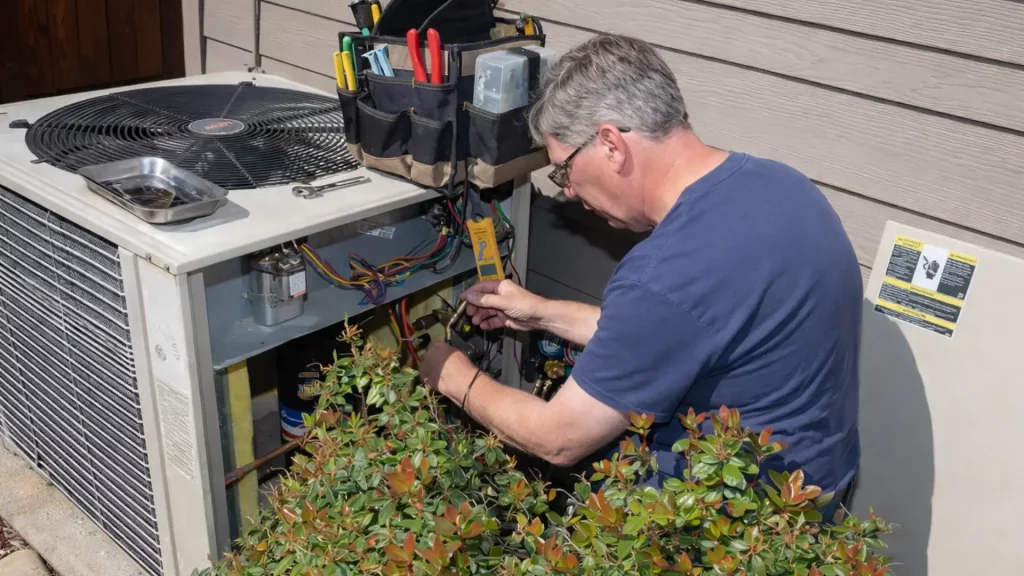
If you are planning a new system, professional air conditioning installation ensures the equipment is positioned correctly from the start.
Why AC Unit Placement Matters
An air conditioning system works by removing heat from inside your home and releasing it outdoors. To complete this process efficiently, the system needs adequate airflow and sufficient clearance around each component.
When either the indoor or outdoor unit is installed in an unsuitable location, the system must work harder to maintain indoor comfort. Over time, this added strain can reduce efficiency and shorten the lifespan of critical components.
Proper placement supports reliable performance and helps the system operate according to manufacturer specifications.
How Placement Affects Cooling Performance
The indoor unit is responsible for distributing conditioned air throughout your home. Its location determines how evenly cool air reaches each room.
If the unit is installed in a confined area or where airflow is blocked by furniture, walls, or other obstructions, some areas may remain warmer than others. Uneven cooling often causes homeowners to lower the thermostat unnecessarily, which increases energy use.
A properly positioned indoor unit promotes balanced airflow and more consistent temperatures throughout the home.
How Placement Impacts Energy Efficiency
The efficiency of your air conditioner depends on how easily it can transfer heat.
The outdoor condenser releases the heat removed from your home. If it is placed in a hot, enclosed space or where ventilation is limited, heat transfer becomes more difficult. As a result, the system uses more electricity to achieve the same cooling effect.
Installing the condenser in a well-ventilated location with adequate clearance can help lower operating costs and improve overall efficiency.
The Importance of Proper Airflow
Airflow is essential to the performance of any air conditioning system. The outdoor unit requires unobstructed airflow to expel heat efficiently, while the indoor unit needs open return and supply paths to circulate conditioned air throughout the home.
Restricted airflow can lead to several problems, including:
- Reduced cooling capacity
- Higher utility bills
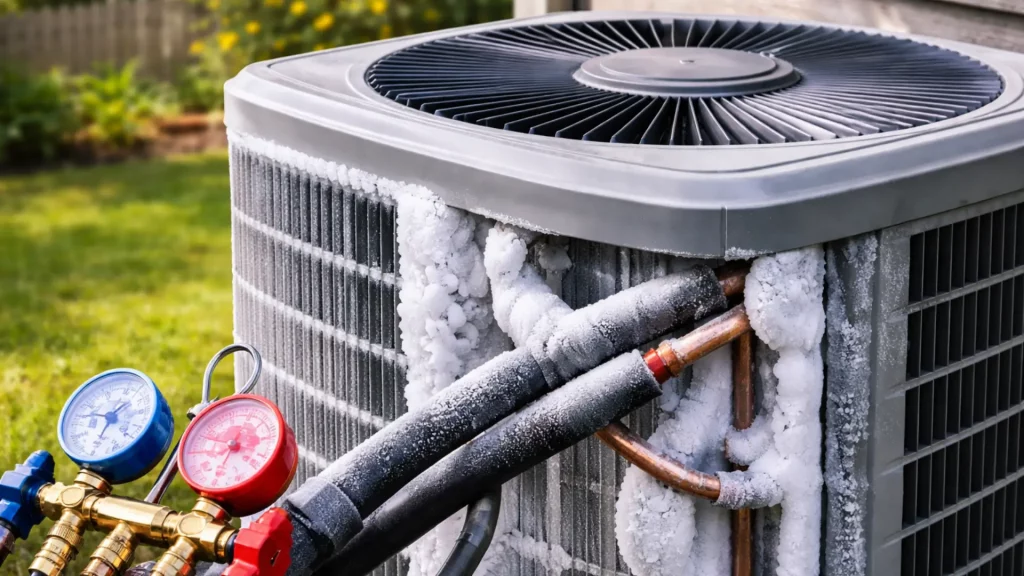
- Frozen evaporator coils
- Longer run times
- Increased wear on the compressor and blower motor
If your system is already experiencing weak circulation, this guide on poor airflow in your AC system explains common causes and solutions.
Effects of Direct Sunlight on Outdoor Units
Outdoor air conditioning units are built to withstand the elements, but constant exposure to direct sunlight can raise the temperature around the condenser.
When the surrounding air is hotter, the unit must work harder to release heat. This can reduce efficiency during the hottest part of the day.
Placing the condenser in a shaded area, while maintaining proper airflow and clearance, can help improve system performance.
Keeping the Unit Clear of Walls and Plants
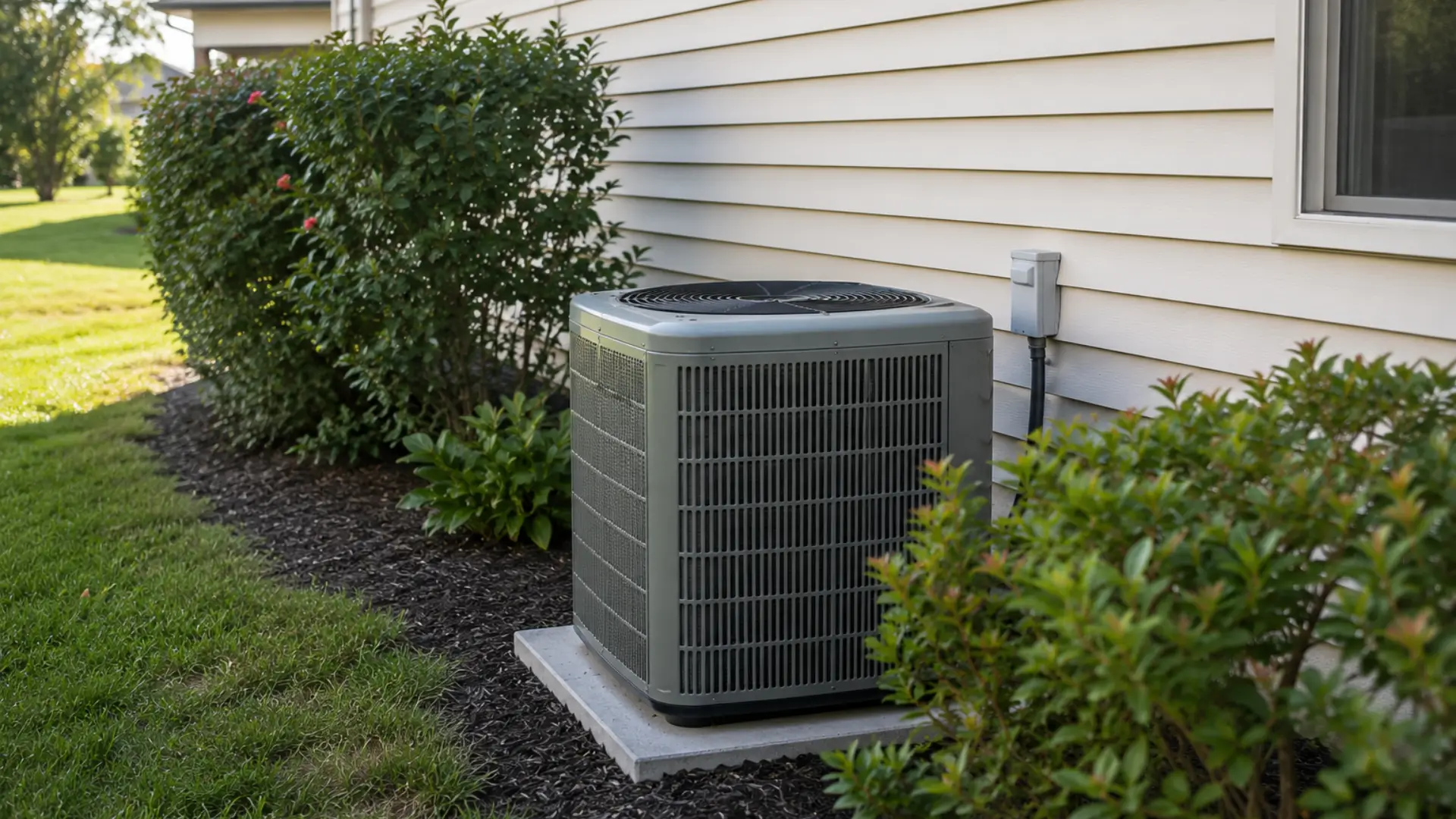
Outdoor condensers need open space around all sides to function properly.
Walls, fences, shrubs, and stored items can trap heat and restrict airflow. Leaves and debris may also collect inside the unit, reducing efficiency and increasing the likelihood of mechanical issues.
Maintaining the manufacturer-recommended clearance around the condenser helps ensure optimal operation and easier access for service.
Indoor Unit Placement for Even Cooling
The indoor air handler or ductless unit should be installed in a location where air can circulate freely throughout the living space. Units placed behind furniture, in isolated corners, or near heat-generating appliances may struggle to cool the home evenly. In some cases, the thermostat may receive inaccurate readings, causing the system to cycle improperly. A centrally located, unobstructed indoor unit delivers more consistent comfort and better temperature control.
Common AC Placement Mistakes
Several installation mistakes can negatively affect system performance:
Installing the outdoor unit too close to walls or fences
Allowing landscaping to block airflow
Placing the condenser in a poorly ventilated area
Installing the indoor unit where airflow is obstructed
Positioning the thermostat near windows or appliances that generate heat
Avoiding these issues helps maximize efficiency and reduce future repair needs.
Signs Your AC Is Poorly Positioned
Improper placement can contribute to a range of performance problems.
Common warning signs include:
- Uneven temperatures throughout the home
- Higher than normal energy bills
- Weak airflow from vents
- Longer cooling cycles
- Frequent breakdowns
- Difficulty maintaining the thermostat setting
If these issues persist, the installation location should be evaluated by a qualified HVAC professional.
Benefits of Professional AC Installation
Professional HVAC technicians consider several factors when determining the best location for a new air conditioning system.
These include airflow, sun exposure, drainage, noise, accessibility, and manufacturer clearance requirements. Correct placement during installation helps the system operate efficiently and reduces the likelihood of preventable problems.
Experienced technicians can also assess existing systems and recommend adjustments when placement is affecting performance.
Conclusion
The placement of your air conditioning unit plays a critical role in cooling performance, energy efficiency, and long-term reliability.
When the indoor and outdoor components are installed in appropriate locations with adequate airflow and clearance, the system can cool more effectively, consume less energy, and experience less wear.
Proper placement is an important part of any air conditioning installation and can have a lasting impact on comfort, operating costs, and equipment lifespan.